As we look towards 2025, the landscape of custom manufacturing is set to be profoundly influenced by the emergence of innovative trends in Bespoke Rubber Moulding. According to a recent report by MarketsandMarkets, the global rubber market is projected to reach $333.5 billion by 2025, driven in part by advancements in bespoke manufacturing processes that cater to specific client needs. This trend towards customization is a direct response to increasing consumer demand for tailored solutions across various industries, including automotive, healthcare, and consumer goods.
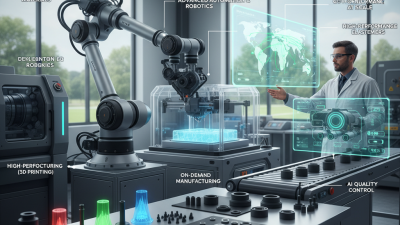
In this evolving market, Bespoke Rubber Moulding is positioned as a critical technology that enables manufacturers to create unique, high-quality products with enhanced performance characteristics. Industry experts forecast a growth rate of 4.7% annually in the adoption of advanced moulding technologies, which highlights the importance of staying ahead of trends to ensure competitive advantage. As we delve into the top trends that will shape this sector in 2025, it is crucial to understand how these innovations in Bespoke Rubber Moulding will not only streamline production processes but also elevate product customization, ultimately transforming the way industries operate.
Emerging technologies are playing a pivotal role in revolutionizing bespoke rubber moulding processes, enabling custom manufacturers to achieve higher precision and efficiency. Advanced technologies such as 3D printing and computer numerical control (CNC) machining are being integrated into rubber moulding, facilitating rapid prototyping and reducing lead times. These innovations allow manufacturers to create intricate designs and complex geometries that were once impossible, enhancing product performance and aesthetic appeal.
Tips for manufacturers looking to adopt these technologies include investing in training programs for employees to familiarize them with new tools and techniques. Additionally, collaborating with technology providers can help streamline the integration process, ensuring that the bespoke rubber moulding methods align with the latest advancements. Leveraging software for design simulation can also minimize errors during the production phase, leading to better resource management and reduced waste.
Automation is another key trend transforming the bespoke rubber moulding landscape. Implementing robotic systems in production lines not only increases output but also enhances consistency in product quality. Manufacturers should prioritize research on automation solutions and explore scalable options that fit their operational needs, ensuring they stay competitive in the evolving marketplace.

The bespoke rubber moulding industry is increasingly shaped by sustainability trends that are driving custom manufacturing practices towards greener solutions. According to a recent study, the global rubber market is projected to reach over USD 220 billion by 2025, highlighting the growing demand for eco-friendly rubber products. This shift is not only about meeting consumer expectations but also about addressing the urgent need for manufacturers to adopt sustainable practices. As the tire industry actively seeks to decarbonize, incorporating recycled materials and renewable resources has become essential.
Tips: To stay competitive in the bespoke rubber market, manufacturers should consider investing in sustainable materials and processes. Emphasizing recycling and the use of bio-based compounds can enhance product appeal while meeting regulatory standards. Engaging in partnerships with eco-conscious suppliers could also play a vital role in improving sustainability credentials.
Furthermore, the global rubber track market is anticipated to surge at a CAGR of 6.2%, driven by increasing applications in agriculture, construction, and defense. This growth underscores the necessity for custom rubber manufacturers to adapt their production methods, not just for efficiency, but to align with environmental goals. Incorporating advanced manufacturing technologies, such as 3D printing and efficient waste management systems, can pave the way for innovative product offerings while reducing the ecological footprint.
The landscape of bespoke rubber moulding is evolving, driven by innovative design techniques that prioritize personalization and functionality. One notable trend is the use of advanced CAD software, which allows designers to create intricate and customized rubber products that align precisely with client specifications. This technology not only streamlines the design process but also enhances accuracy in prototyping, leading to faster turnaround times and reduced waste.
In addition to traditional moulding methods, the integration of 3D printing technology is revolutionizing how bespoke rubber products are manufactured. This approach allows for the creation of highly complex geometries and unique shapes that were previously unattainable with standard techniques. Furthermore, the ability to experiment with different materials and blends offers manufacturers a broader palette to achieve specific functional attributes, such as higher durability or enhanced flexibility, catering to diverse industry needs. These trends are indicative of a broader shift towards personalization in manufacturing, emphasizing the importance of tailored solutions in today's market.
| Trend | Description | Key Benefits | Application Areas |
|---|---|---|---|
| 3D Printing Integration | Utilizing 3D printing technology to create complex moulds. | Higher precision, faster prototyping. | Automotive, Aerospace |
| Sustainable Materials | Incorporation of eco-friendly and recyclable rubber materials. | Reduced environmental impact, appeal to eco-conscious consumers. | Consumer Goods, Industrial |
| Smart Manufacturing | Adopting IoT technologies for better monitoring and quality control. | Increased efficiency, data-driven decisions. | All industries |
| Customization Capabilities | More options for personalized products through advanced design software. | Enhanced customer satisfaction, unique products. | Retail, Medical |
| Rapid Prototyping | Quick development of prototypes using new technologies. | Speed to market, faster feedback loops. | Electronics, Automotive |
| Advanced Finishing Techniques | Utilizing new finishing techniques for better aesthetics and durability. | Improved product appearance and longevity. | Consumer Products, Industrial |
| On-Demand Manufacturing | Producing items based on immediate consumer demand. | Reduced inventory costs, flexibility. | Retail, Custom Products |
| Enhanced Safety Standards | Stricter compliance with safety regulations in rubber products. | Increased consumer trust and product reliability. | Toys, Medical |
| Digital Twins Technology | Creating digital replicas of rubber products to optimize manufacturing processes. | Predictive analysis, improved design iterations. | Manufacturing, Aerospace |
| Augmented Reality in Design | Utilizing AR tools to visualize custom designs in real-time. | Enhanced customer engagement, innovative design process. | Retail, Custom Design |
The future of rubber moulding operations is being revolutionized by advancements in automation and robotics, significantly enhancing efficiency and precision. As companies increasingly adopt automated systems, the integration of AI-driven technologies is paving the way for smarter manufacturing practices. For instance, the latest Generation 5 molding machines leverage AI to optimize production processes, leading to improved accuracy and substantial cost savings. This shift not only streamlines workflows but also empowers manufacturers to meet the rising demand for customized products swiftly and effectively.
Within this landscape, the exploration of robotic automation is poised to offer numerous advantages for rubber product manufacturers. By implementing robotic systems for repetitive tasks, companies can reduce human error and increase production throughput. Common applications include robotic arms for handling materials and automated inspection systems that ensure quality control. These innovations not only enhance operational efficiency but also enable businesses to adapt quickly to market changes and consumer preferences, positioning them effectively in a competitive environment.
When considering custom rubber solutions, selecting the right materials is a critical factor that can significantly impact the performance and longevity of the final product. The rise in bespoke rubber moulding trends is creating a need for materials that not only meet functional requirements but also align with market demands. For instance, the growth of the doormat market, projected to expand from $250 million in 2022 to $410 million by 2030, underscores the increasing consumer preference for customized rubber products. This trend indicates that there is a strong market for tailored solutions that combine aesthetics with durability.
In the realm of custom manufacturing, understanding the properties of different types of rubber—such as natural versus synthetic rubber—is essential for developing products that cater to specific applications. For example, in specialized environments like concert halls or home practices, musicians may require bespoke solutions like finely tuned cello mats. These mats not only enhance sound quality but also provide unique ergonomic benefits, demonstrating how thoughtful material selection can lead to superior product outcomes. As bespoke rubber moulding evolves, manufacturers must remain attuned to consumer insights and emerging market trends to guide their materials choices effectively.