What are Adhesive Rubber Feet and How to Choose Them?
Adhesive Rubber Feet play a crucial role in a variety of applications, from furniture to electronics. These small but effective components provide stability and protection. According to a recent report by Research and Markets, the global demand for adhesive rubber products is expected to grow steadily. This growth highlights the importance of choosing the right adhesive rubber feet.
Selecting the correct adhesive rubber feet requires consideration of several factors. Material durability is essential for longevity. The right adhesive ensures a secure bond and prevents slippage. The market offers various sizes and thicknesses, which can impact performance. It’s essential to match the foot with the specific surface and intended use.
While many options exist, not every product meets high standards. Users often overlook the importance of quality. Choosing subpar options may result in premature failure or damage to surfaces. It’s vital to rely on reputable suppliers who prioritize quality. This consideration ensures the effectiveness of adhesive rubber feet in any application.
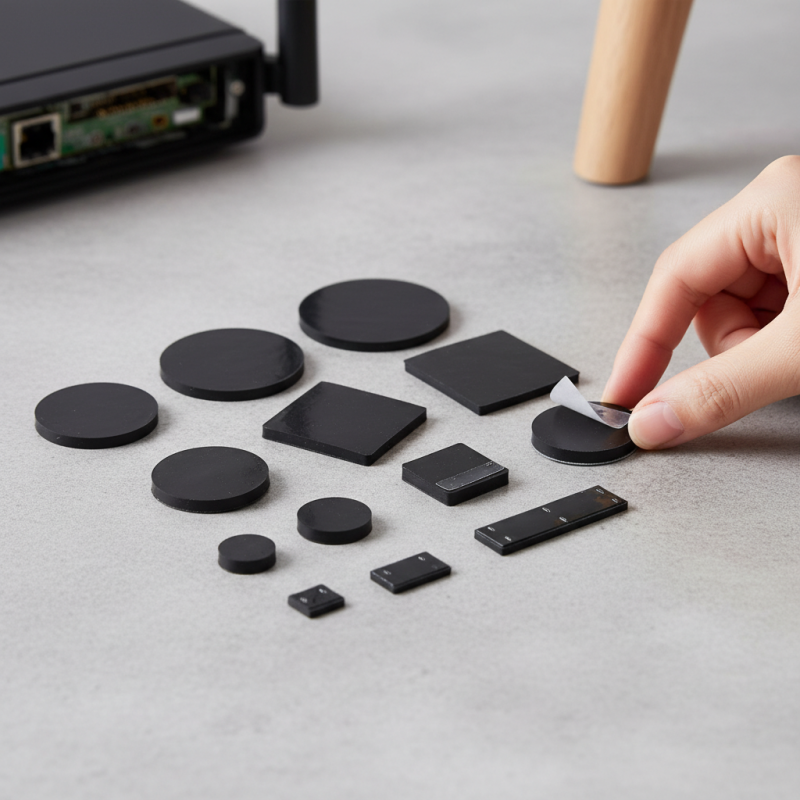
What Are Adhesive Rubber Feet?
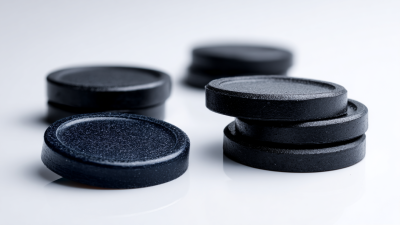
Adhesive rubber feet are small, often round or square pads made of rubber that feature a sticky backing. These feet are designed to be attached to the bottom of various objects, such as furniture, electronics, and appliances. They serve multiple functions, such as preventing scratches on surfaces, reducing noise, and providing stability. The versatility of adhesive rubber feet makes them popular in both home and industrial applications.
When selecting adhesive rubber feet, consider the material quality and the intended use. Some feet are softer, offering better grip on delicate surfaces. Others are firmer and more durable, suited for heavier objects. Adhesive strength is also crucial; it determines how well the feet will stay in place. It's important to test a sample before fully committing. Each adhesive type can behave differently, which can impact performance and longevity.
While adhesive rubber feet are practical, they are not perfect. Over time, they may lose their stickiness or become damaged. In some cases, they might leave residue on surfaces, prompting the need for cleaning. Choosing the right type, then, requires careful assessment of both needs and potential drawbacks.
Applications of Adhesive Rubber Feet
Adhesive rubber feet are essential components in various applications. They provide stability and reduce friction in settings ranging from household items to industrial equipment. For instance, a report from the Adhesive Products Association indicates that these feet are critical in protecting surfaces from scratches and reducing unwanted noise.
In the consumer electronics sector, adhesive rubber feet are commonly used. They help secure devices like laptops and printers, ensuring they remain stable during operation. According to industry studies, devices with rubber feet experience a 25% reduction in vibration. This improves user experience and extends the lifespan of the equipment.
However, not all rubber feet are the same. Choosing the right material and size can be challenging. Many users struggle with finding options that adhere well but do not damage surfaces upon removal. It’s vital to consider the specific surface type and weight capacity needed. Keeping these factors in mind can enhance performance and minimize potential issues.
What are Adhesive Rubber Feet and How to Choose Them? - Applications of Adhesive Rubber Feet
| Dimension |
Material |
Adhesive Type |
Color Options |
Typical Applications |
| 20mm x 5mm |
Silicone Rubber |
Pressure Sensitive Adhesive |
Black, Gray |
Electronics, Furniture, Appliances |
| 30mm x 10mm |
EPDM Rubber |
High-Temperature Adhesive |
Black, Red |
Industrial Machinery, Heavy Equipment |
| 15mm x 3mm |
Natural Rubber |
Acrylic Adhesive |
White, Transparent |
Home Appliances, Decorative Items |
| 25mm x 8mm |
Nitrile Rubber |
Custom Adhesive |
Black, Yellow |
Medical Equipment, Automotive Parts |
| 40mm x 12mm |
Neoprene Rubber |
Epoxy Adhesive |
Black, Green |
Construction, Outdoor Equipment |
Key Features to Consider When Choosing Adhesive Rubber Feet
When selecting adhesive rubber feet, several key features must be considered. The Durometer hardness is essential, as it affects both durability and grip. A typical range for rubber feet is between 30A to 90A on the Shore durometer scale. Softer materials provide more grip while harder options tend to last longer. This balance is crucial for different applications, such as furniture, electronics, and machinery.
The adhesive strength is another vital attribute. Reports suggest that the optimal adhesive should withstand stress while maintaining strong initial bonding properties. For instance, a study highlighted that rubber feet with a peel adhesion of at least 15 N/cm generally perform well across various surfaces. Environmental resistance is critical too. Some adhesives deteriorate under heat or moisture, leading to product failures. Choosing rubber feet that are resistant to these elements ensures longevity and functionality.
Lastly, size and profile should not be overlooked. The dimensions and design of the rubber feet determine load distribution and stability. A well-designed foot can minimize vibration and prevent slippage, enhancing overall safety. Some applications may demand non-marking options, which require further material considerations. Observing user feedback and field performance data can offer valuable insights into which features yield the best results in real-world applications.
Types of Adhesive Rubber Feet and Their Uses
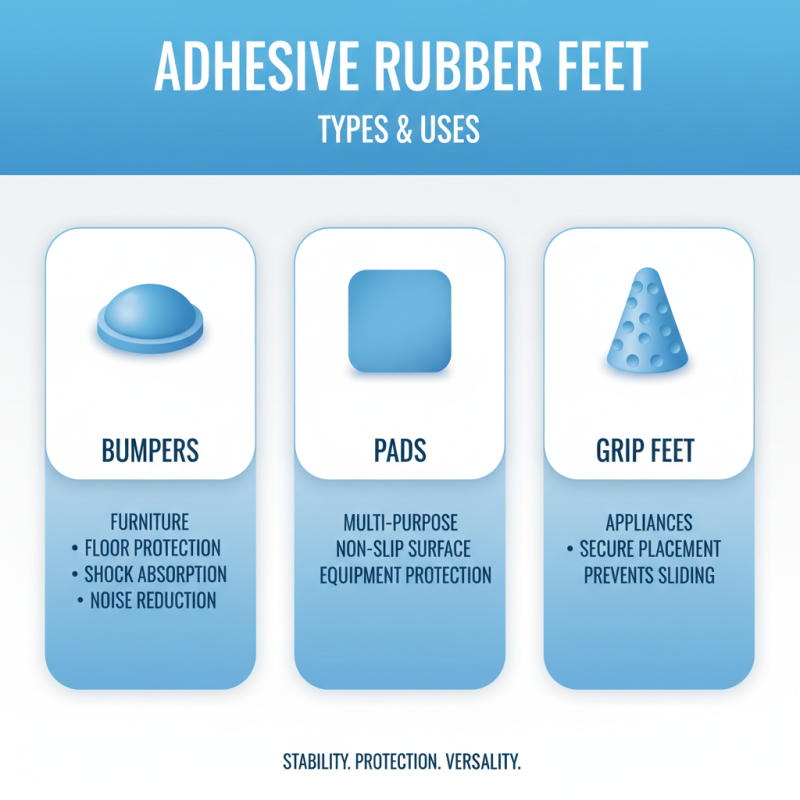
Adhesive rubber feet are small components that provide stability and protection for various surfaces. They come in different types, with each designed for specific applications. The most common types include bumpers, pads, and grip feet. Rubber bumpers are often used on furniture to prevent scratches on floors. They also absorb shock and reduce noise. Pads are versatile and can serve multiple purposes, like creating a non-slip surface or protecting equipment. Grip feet are ideal for appliances, keeping them securely in place during use.
When choosing adhesive rubber feet, consider the surface type and the intended use. For hard surfaces, a harder rubber material may be effective, while softer materials work better on delicate surfaces. It’s important to evaluate adhesion strength as well. A foot may not perform well if the adhesive is weak, leading to replacement or damage. The size and shape also play a crucial role in effectiveness. A foot that is too small may not provide sufficient support, while an oversized one could be cumbersome.
Sometimes, the initial choice may not work as planned. It may take trial and error to find the right fit. Evaluating how the chosen feet affect overall function and aesthetics is vital. Reflecting on these aspects can enhance your decision-making process. Making the right choice will lead to better stability and longer-lasting protection for your surfaces.
Installation Tips for Adhesive Rubber Feet
Adhesive rubber feet are essential for reducing noise and preventing scratches on various surfaces. Proper installation ensures optimal performance and longevity. When applying adhesive rubber feet, surface preparation plays a crucial role. Clean the area thoroughly with isopropyl alcohol to remove dust and grease. This increases adhesion and prevents premature detachment.
Placement is also critical. For heavy items, position the feet closer to the corners to distribute weight effectively. Industry reports indicate that proper placement can reduce material fatigue by up to 30%. Ensure the feet adhere for at least 24 hours before subjecting them to stress. This curing time allows the adhesive to bond properly.
Consider the weight and usage conditions of your application. Lighter items may use softer rubber, while heavier ones benefit from firmer compounds. Avoid applying feet in humid environments, as moisture can weaken adhesive bonds. Listen to the feedback from your usage; if feet wear out quickly or peel off, reflect on your installation technique and materials used. Adjusting these factors can significantly enhance durability and function.