Top Benefits of Bespoke Rubber Moulding for Global Buyers?
In the world of manufacturing, bespoke rubber moulding has gained significant traction. Industry expert Andrew Smith, known for his innovative approaches, states, "Customization in rubber moulding unlocks immense potential for manufacturers." This statement captures the essence of the bespoke rubber moulding landscape, emphasizing both relevance and flexibility.
Buyers across the globe are now increasingly turning to bespoke solutions. They seek tailored products that meet specific requirements rather than standard options. This shift highlights an essential trend in the market. Custom-made rubber components often provide enhanced performance and better fit. However, not all suppliers can deliver quality bespoke rubber moulding consistently. Reliability becomes a key factor for buyers in their choices.
The ability to adapt to unique specifications serves as a core advantage for manufacturers. Yet, challenges exist in finding the right partner who can balance customization with quality. Investing time in selecting experienced suppliers may lead to more satisfactory outcomes. Bespoke rubber moulding offers possibilities, but quality should never be compromised.
Understanding Bespoke Rubber Moulding: A Global Perspective
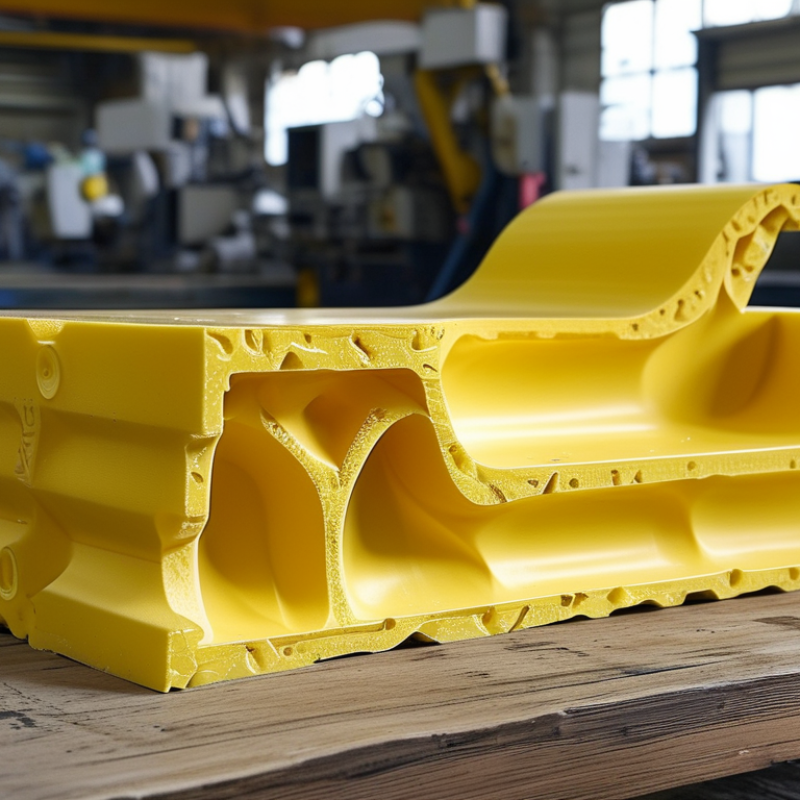
Bespoke rubber moulding has gained significant attention in global markets. This process allows manufacturers to create custom rubber products tailored to specific needs. Global buyers benefit from precision and adaptability in their designs. It ensures that every product meets exact specifications and functional requirements.
Tip: Always communicate your design needs clearly to the supplier. Ambiguities can lead to costly mistakes. Misunderstandings in specifications can affect product performance.
Investing in bespoke moulding reflects a commitment to quality. Custom options often enhance product longevity and user satisfaction. However, it can also involve higher initial costs. In a competitive market, weighing these factors becomes essential.
Tip: Evaluate your long-term needs. Sometimes, off-the-shelf solutions may serve better for less critical applications. Not every project requires bespoke efforts. Balancing quality with cost is key.
Key Advantages of Customized Rubber Solutions for Buyers
Customized rubber solutions offer significant advantages for global buyers. They cater to specific needs, enhancing functionality. With bespoke rubber moulding, businesses can create products tailored precisely to their requirements. This customization can lead to improved performance in challenging environments.
Flexibility is a core benefit of bespoke rubber moulding. Manufacturers can adjust designs easily, accommodating varying specifications. They can create components in varying shapes and sizes, ensuring a perfect fit. This adaptability can save time and resources during production. Consumers often seek unique solutions, yet many products fall short of expectations.
Quality is another crucial aspect. Custom solutions often use high-grade materials, improving durability. This can reduce replacement costs and waste over time. However, buyers should remain vigilant. Not every manufacturer meets the same standards. Choosing a reliable partner is vital for success. Buyers must also be clear about their requirements, as miscommunication can lead to disappointment.
Cost Efficiency in Bespoke Rubber Moulding for International Clients
The cost efficiency of bespoke rubber moulding is crucial for international clients. According to a recent industry report, bespoke solutions can reduce material waste by up to 30%. This aligns production processes with demand, minimizing excess inventory costs. Custom designs often lead to fewer production runs, which can drastically lower overall expenses.
One intriguing aspect is the flexibility of bespoke moulding. Companies often find that tailored designs enhance product performance. For example, specialized formulations can withstand harsh environmental conditions, further reducing long-term costs associated with product failures. This approach illustrates how innovation in rubber moulding can yield significant savings.
**Tip:** Regularly assess your design requirements. Engaging with suppliers during the early stages can streamline your production process. Ensure you're not just considering up-front costs but also the total cost of ownership.
Logistics are another factor that impacts cost efficiency. Custom moulds can expedite manufacturing, leading to faster market entry. However, it's essential to discuss lead times with your supplier. Sometimes, the urgency may lead to compromises in material selection or process quality.
**Tip:** Maintain clear communication with your suppliers. Understanding their capabilities can lead to better project outcomes. Consider potential trade-offs to remain on budget while still achieving your project goals.
Enhanced Product Quality through Tailored Rubber Moulding Techniques
Enhanced product quality is a critical concern for manufacturers. Customized rubber moulding provides a solution with specific benefits. Tailored techniques allow for precise material selection and design adjustments. This customization improves durability and performance in various applications. Industry reports indicate that 70% of companies experienced quality improvements with bespoke rubber products.
Using advanced techniques, manufacturers can create components that meet exact specifications. A recent survey found that 80% of users reported reduced product failure rates with custom moulding. This benefit is vital in industries like automotive and aerospace. Incorporating advanced technologies can also lead to unique designs. However, companies must be cautious of potential drawbacks. Increased design complexity can lead to longer production times.
Working closely with experienced moulders is essential. Understanding material properties and design requirements ensures optimal results. However, the learning curve can be steep. A lack of expertise may lead to subpar outcomes. Continuous improvement is necessary in this evolving field. Emphasizing training and collaboration can help mitigate potential issues.
Versatility of Bespoke Rubber Moulding Across Various Industries
Bespoke rubber moulding offers remarkable versatility across various industries. Its adaptability allows manufacturers to create custom solutions tailored to specific needs. For example, automotive industries rely on rubber moulding for gaskets and seals that ensure tight fits. These components must withstand extreme temperatures and pressures, showcasing the material's durability.
In the medical field, bespoke rubber products are crucial. Custom moulded items like seals and tubing must meet strict hygiene standards. Companies strive to produce items that are both functional and compliant. This need for precision highlights the importance of quality in bespoke rubber moulding.
The construction industry also benefits from tailored rubber solutions. From insulation materials to custom seals, these products provide protection against moisture and temperature fluctuations. It's essential that manufacturers continuously improve their techniques for better functionality. This ongoing pursuit of quality emphasizes a need for reflection and adaptation in this dynamic market.
Top Benefits of Bespoke Rubber Moulding for Global Buyers
| Industry |
Key Application |
Benefits |
Common Materials Used |
| Automotive |
Seals, gaskets, and bushings |
Durability, heat resistance, noise reduction |
EPDM, Nitrile, Silicone |
| Medical |
Medical device components |
Biocompatibility, precision, cleanliness |
Silicone, Neoprene |
| Construction |
Flooring, weather seals |
Water resistance, flexibility, long lifespan |
EPDM, SBR |
| Consumer Goods |
Household rubber products |
Aesthetics, functionality, customization |
Natural rubber, PVC |
| Aerospace |
Sealing and cushioning components |
Lightweight, high resilience, high performance |
Fluoroelastomers, Silicone |