Top Benefits of Using Rubber Bump Stops in Automotive Suspension Systems?
In modern automotive design, achieving a smooth ride is essential. One crucial component that aids in this effort is the Rubber Bump Stops. These pieces may look simple, yet they offer significant benefits. They cushion the impact on suspension systems, enhancing overall comfort.
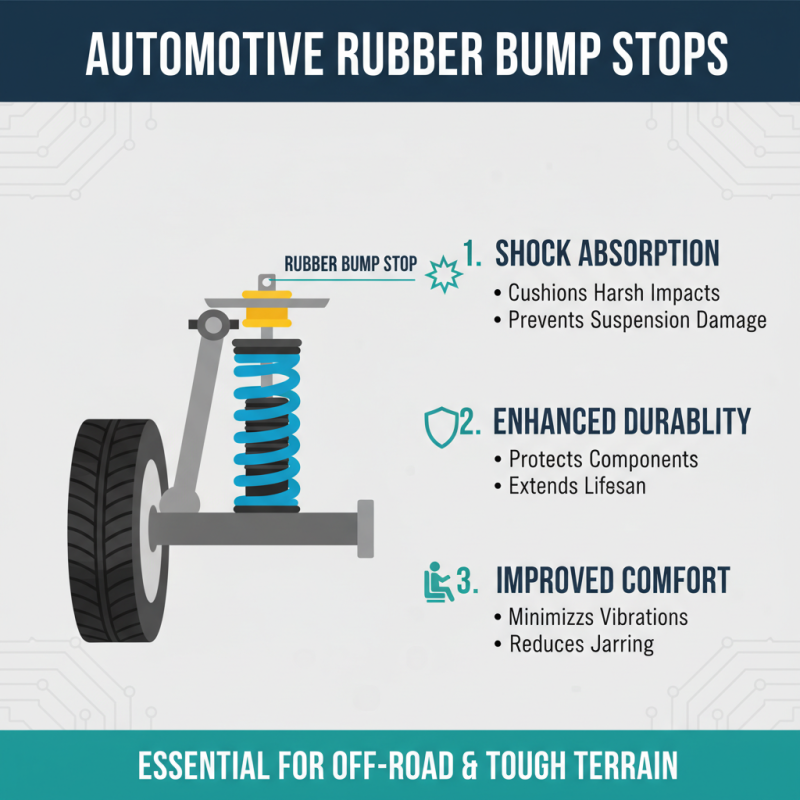
Rubber Bump Stops work by absorbing shock. When a vehicle hits a bump, they compress and release energy, reducing damage. This helps protect other suspension parts, prolonging their lifespan. Importantly, they also improve handling and stability. Drivers notice better control, especially on rough surfaces.
While the advantages are clear, there are challenges involved. For instance, improper installation can reduce their effectiveness. Regular maintenance is essential. Without care, even the best systems can fail. Thus, reconsidering the role of Rubber Bump Stops may lead to valuable insights in automotive engineering.
Understanding Rubber Bump Stops and Their Role in Suspension Systems
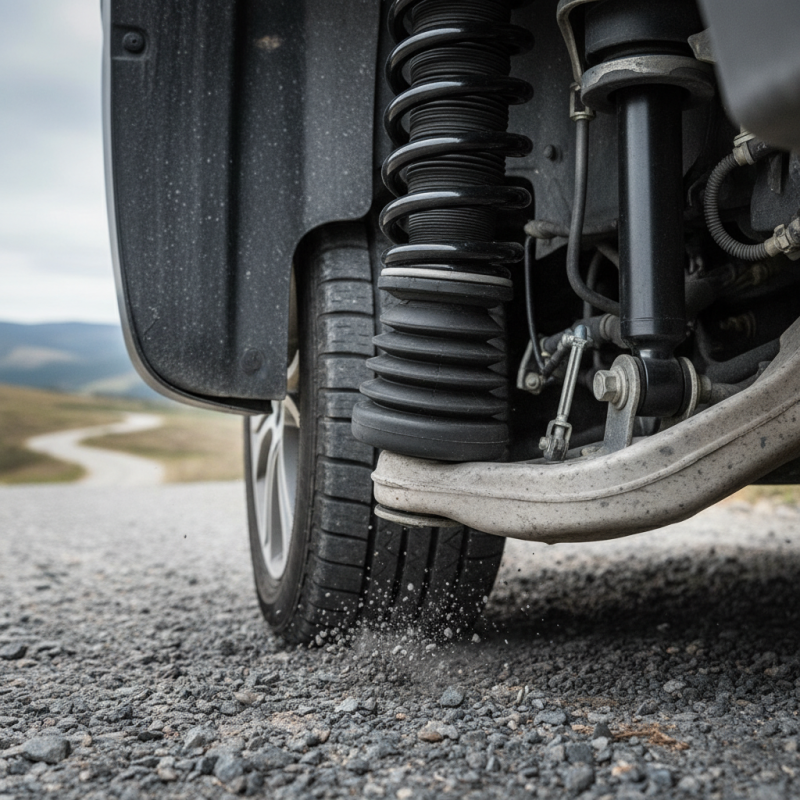
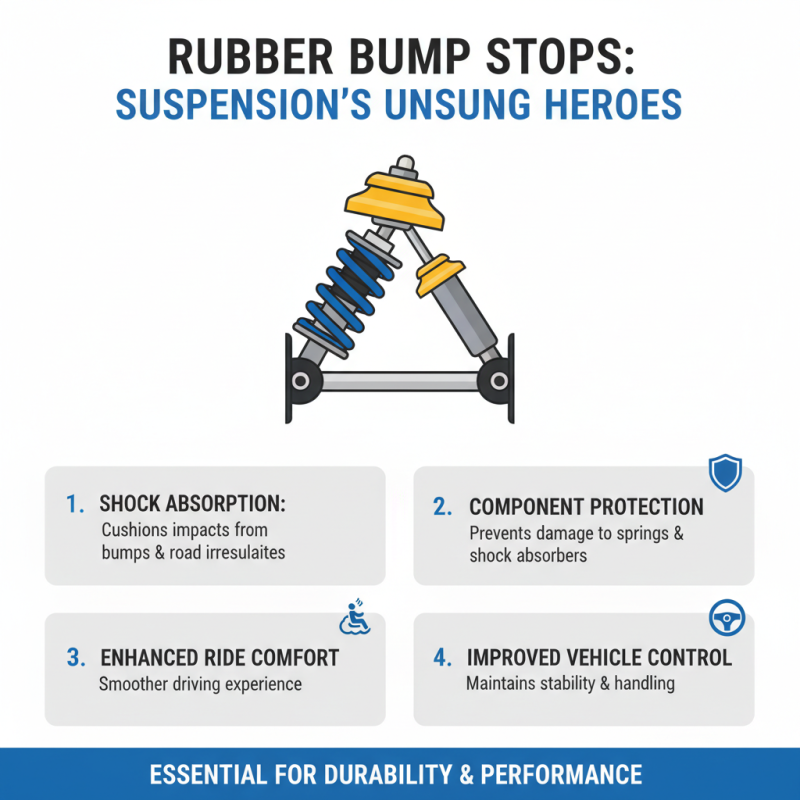
Rubber bump stops play a crucial role in automotive suspension systems. They serve as a cushioning mechanism, absorbing shocks from bumps and road irregularities. This prevents damage to vital components like springs and shock absorbers. Utilizing rubber bump stops enhances ride comfort and helps maintain vehicle control.
Tips for effective use: Regularly check the condition of bump stops. Look for signs of wear or cracks. If they seem damaged, replacing them can prevent larger issues. Keep in mind that ignoring them might lead to rough rides or suspension failure.
Improved handling is another benefit of rubber bump stops. They limit suspension travel during hard impacts, stabilizing the vehicle. Yet, if the bump stops are too stiff, they may transmit more vibrations. A balance must be struck. Use softer rubber in the right applications to achieve both comfort and control.
Enhancing Ride Quality: How Bump Stops Improve Comfort
Rubber bump stops play a crucial role in automotive suspension systems. They enhance ride quality significantly by providing a cushion during impacts. When a vehicle encounters bumps or potholes, these stops absorb shock, preventing excessive jarring. According to a 2022 industry report, effective bump stop integration can reduce vehicle vibrations by up to 40%.
In addition to comfort, rubber bump stops help maintain suspension integrity. They limit suspension travel, which can prevent damage to components. A study found that vehicles without adequate bump stops experienced a 30% increase in suspension failures. However, it's noteworthy that over-reliance on bump stops may lead to neglect of other suspension components. This imbalance can compromise overall vehicle performance.
Riding comfort can vary with different bump stop designs. Some drivers report a firmer ride even with soft bump stops. This feedback highlights the need for customization in suspension tuning. Appropriate tuning can mean the difference between a smooth drive and an overly harsh experience. Finding the right balance remains a challenge in automotive design.
Benefits of Using Rubber Bump Stops in Automotive Suspension Systems
Dampening Impact Forces: The Structural Benefits of Bump Stops
Rubber bump stops play a crucial role in automotive suspension systems. These components absorb and dampen impact forces during driving. When a vehicle encounters a bump or pothole, the rubber material compresses. This action minimizes the shock transmitted to the chassis and body.
Without effective bump stops, vehicles suffer excessive stress. Over time, this can lead to damage in other suspension parts. In some cases, drivers may notice a harsher ride or unusual noises. Bump stops help maintain ride quality and ensure driver comfort. They act as a buffer, softening the blow from sudden impacts.
However, bump stops can wear out or degrade. Their effectiveness diminishes with time and exposure to elements. Regular inspection is crucial to ensure they perform optimally. Drivers should be aware of signs like uneven tire wear or changes in handling. Keeping bump stops in good condition is essential for safe driving.
Top Benefits of Using Rubber Bump Stops in Automotive Suspension Systems
| Benefit |
Description |
Impact on Performance |
| Dampening Impact Forces |
Rubber bump stops absorb shock from impacts, reducing the forces transmitted to the suspension system. |
Improved ride comfort and vehicle stability during harsh driving conditions. |
| Preventing Suspension Damage |
They limit the downward travel of suspension components, preventing overextension and damage. |
Extended lifespan of suspension parts, reducing maintenance costs. |
| Enhanced Handling |
Bump stops provide a more predictable handling response during extreme conditions. |
Increased driver confidence and safety, especially in off-road or high-speed scenarios. |
| Noise Reduction |
They help to minimize noise generated from mechanical impacts in the suspension system. |
Quieter ride, enhancing the overall driving experience. |
| Cost-Effective Solution |
Relatively inexpensive compared to other suspension components and repairs. |
Provides significant value through improved performance without a large investment. |
Maintenance and Durability: Longevity of Rubber Bump Stops in Use
Rubber bump stops play a crucial role in automotive suspension systems. They provide a cushion effect that protects other components from excessive force during severe impacts. However, their longevity is equally important. As vehicles age, regular wear can degrade the effectiveness of these bump stops. It’s vital to monitor their condition over time, as neglected rubber can lead to reduced performance.
One common misconception is that bump stops don’t require maintenance. While they are often overlooked, a simple visual inspection can reveal signs of cracking or deformation. Replacing them timely ensures that the suspension system functions optimally. Drivers might dismiss these checks but overlooking them can lead to costly repairs.
Durability is another key factor. High-quality rubber materials resist wear from environmental factors like heat, cold, and moisture. However, even the best rubber bump stops can degrade if not properly maintained. Drivers should regularly assess their condition. Remember, a small crack might seem insignificant now, but it could lead to bigger issues later.