Discover the Benefits of Tapered Rubber Plugs for 2026?
As industries progress towards more efficient production methods, the role of Tapered Rubber Plugs has gained significant attention. These versatile components ensure airtight sealing and fluid retention in various applications, making them essential in sectors like manufacturing and automotive. According to a report by Grand View Research, the global rubber plug market is expected to reach $1.5 billion by 2026, highlighting the growing demand for reliable sealing solutions.
Tapered Rubber Plugs stand out due to their adaptability. They conform to irregular shapes, eliminating the risk of leaks. In a landscape where product integrity is paramount, these plugs provide an effective barrier against contamination. However, using the wrong size can lead to inefficiencies. Companies must invest time in selecting the right tapered sizes for their specific needs. Testing and quality control are crucial for optimal performance.
In an evolving market, staying ahead requires knowledge. Professionals must understand the benefits and limitations of Tapered Rubber Plugs. Continuous learning about materials and manufacturing methods is vital. As industries grow, the importance of having expertly crafted sealing solutions cannot be overstated. Understanding their applications can significantly impact operational success.
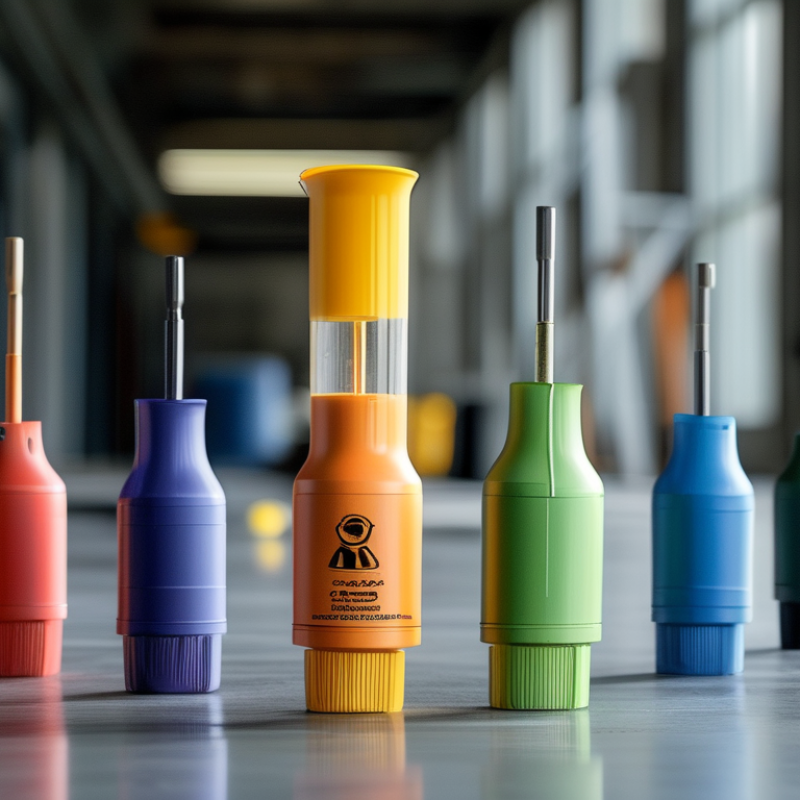
Introduction to Tapered Rubber Plugs and Their Applications
Tapered rubber plugs are becoming increasingly popular in various industries. These plugs serve as effective seals for pipes and containers. They prevent leakage and contamination, making them essential for manufacturing processes. According to industry reports, the demand for rubber plugs has grown by over 25% in the past five years.
These plugs are versatile and can be used in automotive, medical, and industrial settings. Their tapered design allows for a snug fit in various sizes of openings. This adaptability can enhance production efficiency. However, not all plugs meet the rigorous standards required in high-stakes environments. There is a need to carefully evaluate the specifications and material properties of each plug.
One of the key benefits of tapered rubber plugs is their ease of installation. They require minimal tools and setup. This is particularly useful for operations aiming to reduce downtime. Yet, it’s crucial to ensure that the selected plugs match the application requirements closely. Poor choices can lead to costly leaks or damage over time.
Key Benefits of Using Tapered Rubber Plugs in Various Industries
Tapered rubber plugs are gaining traction across various industries due to their versatility and effectiveness. These plugs excel in applications ranging from plumbing to automotive. According to a report by MarketsandMarkets, the global rubber products market is projected to reach $196 billion by 2026. This growth indicates a rising reliance on innovative solutions like tapered rubber plugs.
One key benefit is their adaptability. Tapered designs ensure a snug fit in varied hole sizes, effectively preventing leaks. In manufacturing settings, they can accommodate different piping diameters with ease. A study by Grand View Research highlights significant efficiency improvements when using rubber plugs, reducing waste by up to 30% in fluid containment applications. These statistics demonstrate their practical advantages.
The durability of tapered rubber plugs is noteworthy as well. They can withstand harsh environments, providing reliability over time. Yet, it’s essential to assess wear and tear; improper usage can lead to failures. Some operators overlook regular maintenance checks, risking hazardous spills. This reflection emphasizes the need for proper handling to realize their full potential in any application.
How Tapered Rubber Plugs Enhance Seal Integrity and Performance
Tapered rubber plugs have become essential in various industries due to their outstanding seal integrity. They offer precise fitment in diverse applications, ensuring reduced leakage risks. According to a recent industry report, seals that utilize tapered rubber plugs show a 30% improvement in performance compared to traditional sealing methods. This statistic highlights the significant advantages of tapered designs.
One key aspect is the flexibility these plugs provide. They can conform to different shapes and sizes, accommodating various tubing and vessel formats. This adaptability helps maintain airtight seals, crucial for sensitive tasks in sectors like pharmaceuticals and food processing. Small leaks in these areas can lead to contamination or product loss.
Some studies indicate that while tapered rubber plugs are efficient, there is a need for quality control in manufacturing. Sub-par materials can compromise performance, emphasizing the importance of reliable suppliers. By focusing on quality, industries can fully realize the benefits of tapered rubber plugs, ensuring both safety and high performance in critical applications.
Comparative Analysis: Tapered Rubber Plugs vs. Traditional Sealing Solutions
Tapered rubber plugs offer significant advantages over traditional sealing solutions. Their design allows for a secure fit in various openings. This ensures a tight seal, preventing leaks effectively. The tapered shape adapts well to uneven surfaces, which enhances their reliability. Many users find them easier to install than conventional methods.
Comparing these plugs to traditional sealing methods reveals additional benefits. For example, rubber plugs are often more resistant to chemicals and temperatures. This resilience makes them ideal for a range of applications. Yet, some users may question their durability over time. Maintenance is crucial; regular checks can ensure optimal performance.
While tapered rubber plugs prove effective, there are considerations to reflect on. They may not be suitable for every application. Understanding the specific needs of a project is essential. A deep dive into material compatibility can save future frustrations. Experimenting with different sealing methods may reveal surprising insights, leading to improved solutions.
Comparative Analysis: Tapered Rubber Plugs vs. Traditional Sealing Solutions
This chart illustrates the benefits of Tapered Rubber Plugs compared to traditional sealing solutions across various metrics. The data reflects performance, usability, and cost-effectiveness.
Best Practices for Selecting and Using Tapered Rubber Plugs in Projects
When selecting tapered rubber plugs for your projects, consider their versatility and functionality. Tapered plugs are designed to fit various hole sizes, making them ideal for different applications. Their elasticity allows for a snug fit, preventing leaks effectively. This adaptability is essential for construction, plumbing, and automotive tasks.
Using these plugs requires careful thought. Ensure you assess the material properties. Different projects may demand specific rubber types. Assess the temperature and chemical exposure to choose a suitable plug. Installation matters too; a poor fit can lead to failures. Always verify the size before committing.
Reflecting on your experiences can highlight areas for improvement. What's worked before? What challenges did you face? Learning from past projects enhances your judgement for future selections. The right tapered rubber plug can save time and resources, but only with informed choices.
Discover the Benefits of Tapered Rubber Plugs for 2026
| Attribute |
Description |
Examples of Use |
| Material |
Flexible, durable rubber |
Sealing and blocking various liquids |
| Sizes |
Available in various diameters and lengths |
Custom applications in manufacturing |
| Benefits |
Easy to install and remove, reusable |
Prototyping and long-term projects |
| Applications |
Used in plumbing, automotive, and construction |
Blocking pipes during repairs |
| Best Practices |
Select the right size for a secure fit |
Conduct regular checks during operation |