What Are the Benefits of Using Rubber Mounts in Manufacturing?
Rubber Mounts play a crucial role in modern manufacturing processes. These mounts are designed to absorb vibrations. They help in reducing noise and preventing equipment damage. By isolating machines from their surroundings, Rubber Mounts enhance overall efficiency.
Incorporating Rubber Mounts can lead to significant improvements. They extend the lifespan of equipment. This results in lower maintenance costs and increased productivity. However, not all Rubber Mounts are made equal. Selecting the right type is essential for optimal performance. Businesses may overlook the specific requirements needed for different applications.
The use of Rubber Mounts reflects a balance between innovation and practicality. Some manufacturers may underestimate their importance. Ignoring this could lead to issues down the line, such as unanticipated wear and tear. Therefore, understanding their benefits is vital for today's manufacturing landscape, ensuring long-term sustainability and reliability.
Understanding Rubber Mounts: Definition and Functionality
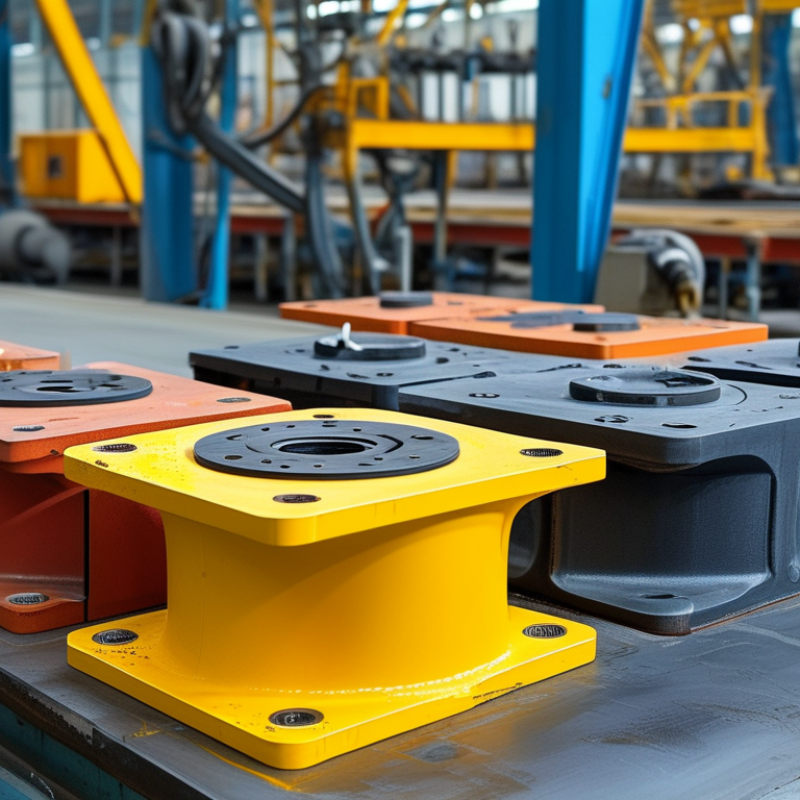
Rubber mounts play a crucial role in manufacturing, particularly in vibration isolation. These components help absorb shock and dampen vibrations, extending the lifespan of machinery. According to industry data, effective vibration control can enhance equipment durability by up to 30%. This translates to reduced maintenance costs and increased operational efficiency.
Understanding the functionality of rubber mounts is vital. They work by distributing force evenly, minimizing the impact of vibrations on sensitive equipment. Various studies indicate that improper alignment or inadequate mounting can lead to failures or malfunctions in machinery. Such issues can be costly, often leading to downtime, which can impact overall production.
Rubber mounts also offer thermal stability, which is essential under high operational temperatures. However, not all rubber types perform equally in extreme conditions. The choice of material must be carefully considered. A report by the International Organization for Standardization suggests that over 50% of manufacturing faults can stem from inadequate vibration control. This highlights the importance of selecting appropriate rubber mounts that not only meet but exceed industry standards.
Key Advantages of Rubber Mounts in Manufacturing Processes
Rubber mounts play a significant role in enhancing manufacturing processes. These components effectively reduce vibrations and noise in machinery, leading to improved operational efficiency. By absorbing shocks, rubber mounts protect sensitive equipment, which can prolong their lifespan. This is particularly crucial in industries that rely on precision machinery.
Using rubber mounts can also lead to cost savings. With less wear and tear on equipment, maintenance costs decrease. Additionally, quieter operations contribute to a better working environment. This can enhance employee productivity and morale. Workers are more focused when noise levels are minimized, creating a conducive atmosphere for manufacturing.
However, it is essential to evaluate the specific requirements of each application. Not all rubber mounts are created equal. The wrong type may lead to inadequate vibration isolation, causing further problems. Regular assessments of their performance and condition can help ensure optimal results. Investing in quality rubber mounts can yield significant long-term benefits for manufacturers.
Benefits of Using Rubber Mounts in Manufacturing
Impact of Rubber Mounts on Vibration Isolation and Shock Absorption
Rubber mounts play a crucial role in manufacturing, particularly in vibration isolation and shock absorption. These components are designed to minimize the transfer of vibrations from machines to their foundations. By absorbing shock and dampening vibrations, they protect sensitive equipment. This protection can extend the lifespan of machinery and improve operational efficiency.
In applications where heavy machinery operates, vibrations can cause wear and tear. Over time, this leads to costly repairs and downtime. Rubber mounts limit this risk by providing a barrier against excessive movement. The right rubber mount can significantly reduce noise and vibrations, creating a quieter work environment. However, using the wrong type can result in inadequate isolation and increased wear.
The effectiveness of rubber mounts depends on various factors like stiffness and size. Choosing the right specifications is not always straightforward. Testing and analysis can help identify the best options. Manufacturing teams may need to experiment to find the optimal setup. Balancing cost and performance can be challenging, but the right approach leads to better results.
Durability and Maintenance Benefits of Rubber Mounts in Industrial Use
Rubber mounts play a crucial role in industrial manufacturing. Their unique properties significantly enhance equipment durability. These mounts absorb vibrations and shocks, extending machinery lifespan. This feature is vital for heavy equipment that operates under tough conditions. By minimizing wear and tear, rubber mounts help reduce the frequency of replacements.
Maintenance is simpler with rubber mounts. Regular checks can easily identify wear, allowing for timely replacements. Their flexibility ensures they can adapt to various machines and setups. This adaptability reduces the need for custom solutions, which can be costly and time-consuming. Industries can benefit from the straightforward installation and low maintenance costs associated with rubber mounts.
However, not all installations will work perfectly. Some environments may expose rubber mounts to extreme temperatures or chemicals, potentially leading to degradation. It’s essential to assess specific conditions before making a choice. This reflection helps ensure the right materials are used for maximum performance. Understanding these factors can lead to a more effective use of rubber mounts in manufacturing processes.
Benefits of Using Rubber Mounts in Manufacturing
| Benefit |
Description |
Impact on Maintenance |
| Vibration Isolation |
Rubber mounts effectively absorb vibrations, protecting machinery from damage. |
Reduces wear and tear, leading to lower maintenance costs. |
| Corrosion Resistance |
Rubber does not corrode like metal, enhancing longevity in harsh environments. |
Less frequent replacement needed, thereby decreasing maintenance time. |
| Easy Installation |
Rubber mounts are generally lightweight and easy to install, saving labor time. |
Minimizes downtime during installation and maintenance. |
| Cost-Effectiveness |
Initial lower cost compared to metal mounts while providing similar benefits. |
Reduces overall lifecycle costs due to lower maintenance frequency. |
| Noise Reduction |
Rubber mounts help attenuate operational noise, creating a quieter workplace. |
Decreases noise-related complaints and potential workplace distractions. |
Applications of Rubber Mounts Across Different Manufacturing Sectors
Rubber mounts are crucial in various manufacturing sectors, providing vibration isolation and structural support. In automotive manufacturing, they minimize noise and improve comfort in vehicles. These mounts absorb vibrations from engines and road surfaces, enhancing overall performance. This application is essential for manufacturers aiming to deliver quality vehicles to consumers.
In machinery and equipment production, rubber mounts help reduce wear and tear. They cushion heavy machinery, preventing damage from vibrations during operation. This is particularly important in industries such as aerospace and construction, where precision is key. However, the selection of rubber mount types must be carefully considered. Factors like load capacity and environmental conditions can influence effectiveness.
Rubber mounts are also used in electronics and consumer goods. They stabilize components, ensuring longevity and reliability. For instance, mounting electronic boards securely prevents damage during use. But not all rubber mounts are created equal. Quality varies, and some may degrade faster than expected. Manufacturers need to evaluate their specific needs critically, balancing cost and performance.