Why Choose Bespoke Rubber Moulding for Your Business Needs?
In today's competitive market, many businesses seek tailored solutions to meet their unique needs. One such solution is bespoke rubber moulding. According to industry reports, the global rubber products market is expected to exceed $400 billion by 2025. This highlights the growing demand for customized rubber components across various sectors.
Bespoke rubber moulding offers flexibility in design and material properties. Companies can create products that perfectly fit their specifications. Research shows that 80% of manufacturers benefit from enhanced quality and reduced waste when choosing custom moulding processes. This not only saves costs but also improves product performance.
However, it's important to recognize that bespoke moulding isn't a one-size-fits-all solution. Some may experience challenges in scaling production or finding the right provider. It requires careful consideration and strategic planning. Nonetheless, for businesses aiming for innovation, bespoke rubber moulding can be a game-changer.
Understanding Bespoke Rubber Moulding: Definition and Benefits
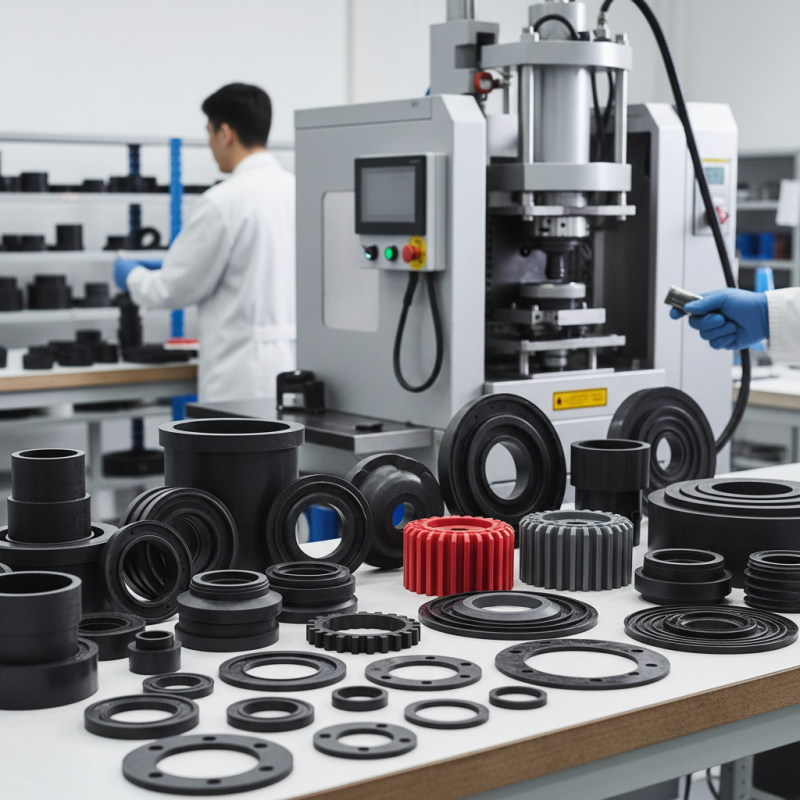
Bespoke rubber moulding is a specialized manufacturing process. It produces custom rubber components tailored to specific business needs. This technique involves crafting molds to match exact specifications. The result is precision in size, shape, and material properties.
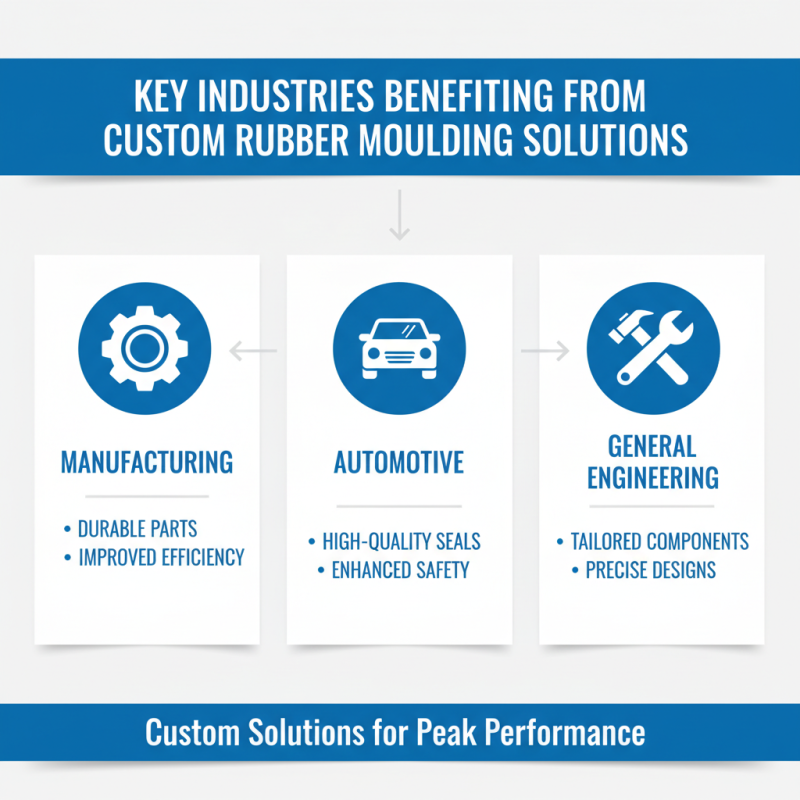
One key benefit of bespoke rubber moulding is its versatility. It allows for the creation of unique products that may not be readily available. Industries ranging from automotive to healthcare use customized rubber parts. These parts often outperform standard options, enhancing functionality and durability.
However, the process isn’t without challenges. Creating custom moulds requires upfront investment and time. Businesses must balance costs with expected benefits. Despite potential delays, the long-term gains can be substantial. Ultimately, bespoke rubber moulding provides a path to innovation and efficiency for those willing to engage with its complexities.
Benefits of Bespoke Rubber Moulding for Businesses
The Manufacturing Process of Bespoke Rubber Moulding Explained
Bespoke rubber moulding is a complex manufacturing process that tailors rubber components specifically to client specifications. This process begins with careful design and material selection. Engineers assess project requirements to determine the most suitable rubber compounds. Various factors influence this choice, including temperature resistance and flexibility. Reports indicate that nearly 70% of customized projects benefit from these tailored solutions.
Once the design is set, the moulding process begins. This typically involves compression, transfer, or injection moulding methods. Each technique offers unique advantages depending on the desired application. For instance, injection moulding allows for intricate designs but requires higher initial tooling costs, as highlighted in a 2022 industry report. Effective execution requires precise temperature control and timing to ensure optimal results.
Despite its advantages, bespoke rubber moulding can be challenging. One common issue is the potential for defects during production, which may lead to waste. According to industry data, around 15% of rubber products face quality control challenges. Addressing these issues necessitates a combination of skilled craftsmanship and advanced technology, emphasizing the importance of experience and expertise in this field.
Comparing Bespoke Rubber Moulding with Standard Moulding Options
Bespoke rubber moulding offers distinct advantages over standard moulding options. Customisation plays a crucial role in this choice. With bespoke solutions, businesses can tailor materials and designs to meet specific operational needs. This level of personalisation enhances functionality. In contrast, standard moulding often relies on set specifications and limited flexibility.
Consider the production process. Bespoke rubber moulding typically encourages closer collaboration with manufacturers. This allows for more detailed input and refinement. Companies can specify exact dimensions and properties required. Standard moulding, meanwhile, may not accommodate unique specifications. The results could lead to inefficiencies or product failures.
Quality assurance is another significant factor. Bespoke moulding processes often involve rigorous testing, ensuring products meet high standards. Standard options may not undergo the same level of scrutiny. As a result, businesses might face risks in quality and performance. Each moulding choice carries its challenges, but the focus on bespoke solutions often yields higher reliability.
Why Choose Bespoke Rubber Moulding for Your Business Needs? - Comparing Bespoke Rubber Moulding with Standard Moulding Options
| Feature |
Bespoke Rubber Moulding |
Standard Moulding Options |
| Customization |
High degree of customization to meet specific requirements. |
Limited customization based on pre-existing molds. |
| Material Selection |
Wide variety of rubber materials tailored for performance. |
Standardized materials with limited options. |
| Production Time |
May require longer lead times due to custom setups. |
Faster production due to existing molds. |
| Cost |
Generally higher upfront costs due to customization. |
Lower costs due to mass production of standard items. |
| Quality Control |
Strict quality control tailored to client specifications. |
Standard quality checks but less tailored to specific needs. |
| Design Support |
Collaboration with design teams for optimized solutions. |
Limited design support available. |
Cost Considerations and ROI for Custom Rubber Moulding in Businesses
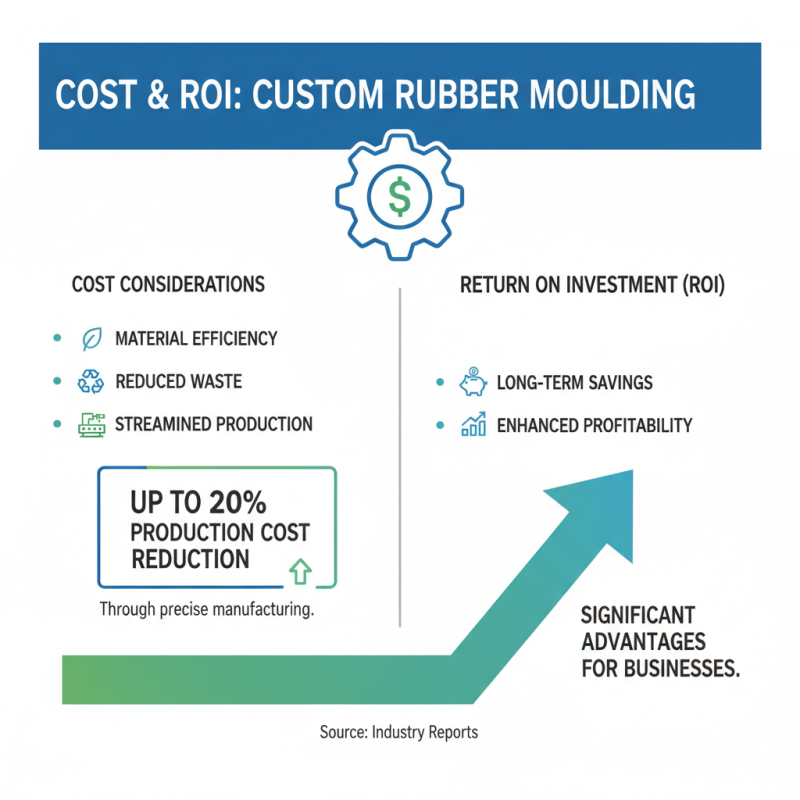
Custom rubber moulding offers significant advantages for businesses, particularly in terms of cost-effectiveness and return on investment (ROI). According to industry reports, custom moulding can reduce production costs by up to 20%. This is due to the efficient use of materials and precise manufacturing processes. By minimizing waste and streamlining production, businesses can enjoy substantial savings over time.
Tips: Consider using simulation software to optimize designs. This can help identify potential issues early and prevent costly adjustments later.
Investing in bespoke rubber moulding can lead to a better ROI compared to standard options. A survey from the Rubber Manufacturers Association highlights that custom solutions can enhance product performance, leading to an estimated 15% increase in customer satisfaction. Additionally, tailored products often command higher prices. These factors contribute to a healthier bottom line, making bespoke options an attractive choice.
Tips: Engage with a experienced moulding consultant to ensure your designs meet both performance and cost targets. Consulting experts can elevate your project quality.
Customization allows businesses to address specific needs, such as unique shapes or material properties. However, it's crucial to balance customization with cost. Overly complex designs can lead to increased expenses. Always analyze the long-term benefits versus immediate costs to make informed decisions.