Best Rubber Shock Mounts for Your Audio Needs?
In the world of audio production, precision is vital. The choice of equipment can significantly impact sound quality. One essential component often overlooked is the Rubber Shock Mounts. According to industry reports, up to 25% of audio distortion stems from vibrations and handling noise. Rubber Shock Mounts effectively isolate microphones from these unwanted disturbances.
These mounts utilize flexible rubber materials to absorb shocks and vibrations. This technology prevents transmission to the microphone, ensuring clearer recordings. However, not all shock mounts deliver the same results. Some may not adequately reduce noise, leading to frustration during the recording process.
Investing in high-quality Rubber Shock Mounts can drastically improve audio clarity. Yet, many users may feel overwhelmed by the choices available. Factors such as size, design, and material influence performance. Reflecting on these aspects can lead to better decision-making in audio equipment selection. This journey towards superior sound begins with an informed choice of Rubber Shock Mounts.

Understanding Rubber Shock Mounts and Their Importance in Audio
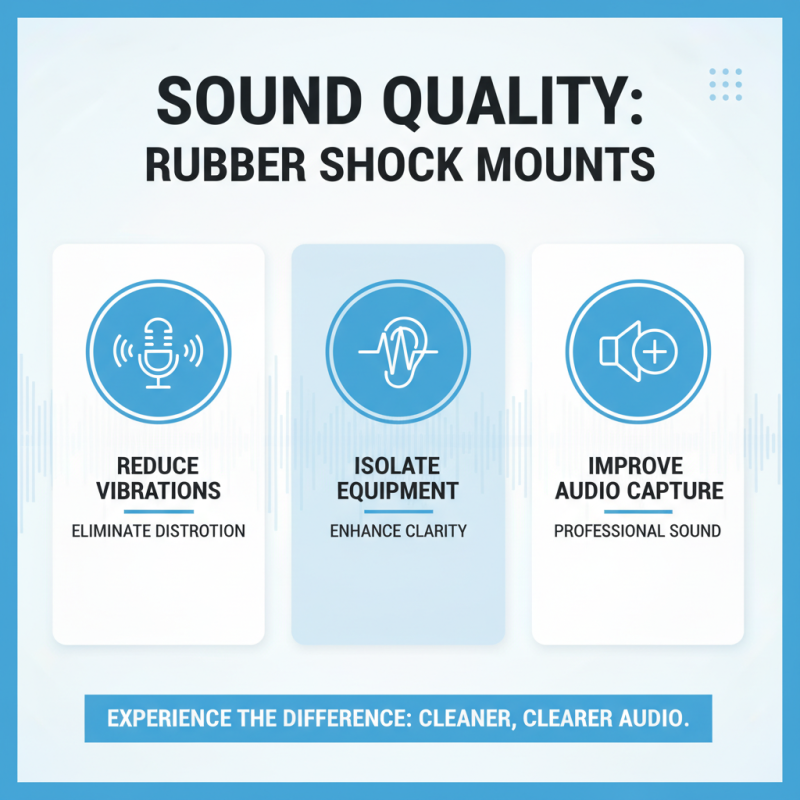
Rubber shock mounts play a crucial role in audio production. They reduce unwanted vibrations that can distort sound quality. By isolating microphones or other equipment from external noise, these mounts enhance clarity. With better sound capture, they help create a more professional audio experience. The isolation they provide is noticeable. Without them, even slight movements can cause distortion.
Choosing the right rubber shock mount is important. Different designs affect how well vibrations are absorbed. A poor choice could lead to audio issues that are hard to fix later. It's common to overlook these details, thinking they don’t matter much. However, the impact on sound quality can be significant. Reflecting on your current setup might reveal areas for improvement.
In any audio project, consider your equipment's foundation. Rubber shock mounts are often overlooked, yet they make a difference. Their benefits are clear, but not everyone realizes that. Investing time in understanding them can pay off substantially. A simple upgrade could elevate your recording quality in surprising ways.
Types of Rubber Shock Mounts: Features and Benefits Explained
Rubber shock mounts are essential for audio equipment. They reduce vibration and prevent unwanted noise. There are various types, each with unique features. These mounts can enhance sound clarity significantly. According to recent industry reports, effective shock mounts can improve audio quality by up to 30%.
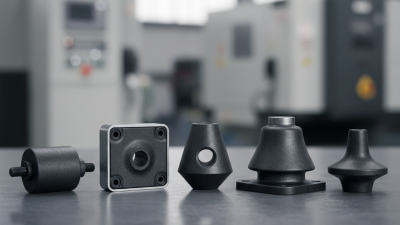
One popular type is the “isolation mount.” It uses rubber to absorb shock. This type is common in professional studios. It helps in minimizing low-frequency vibrations. However, not all isolation mounts perform equally. Some may not isolate high frequencies well. This variance can be frustrating for audio engineers.
Another type is the “suspension mount.” This design suspends the microphone, allowing it to move freely. It offers excellent shock absorption. However, this type may require more space than standard mounts. Space constraints can limit placement in smaller studios. Engineers should consider their specific needs carefully. Finding the right balance is crucial.
How to Choose the Right Shock Mount for Your Recording Setup
Choosing the right shock mount is crucial for achieving high-quality audio. A good shock mount helps isolate your microphone from vibrations and handling noise. You want to look for a design that fits your mic securely. Consider the weight and dimensions of your microphone. A tight fit can prevent unwanted sounds.
Tips: Check the construction material. Rubber mounts generally provide excellent isolation. Make sure the shock mount has adjustable angles. This gives you flexibility in microphone positioning.
Don’t overlook compatibility. Some mounts aren’t universal. Measure your microphone's diameter. This will save you time and frustration. It's easy to underestimate the importance of a shock mount. A poor choice can lead to disappointing recordings. Testing different setups can reveal surprising results. Adjustments to your shock mount can make a big difference. Always stay open to experimenting.
Best Rubber Shock Mounts for Your Audio Needs
| Model |
Compatibility |
Material |
Weight Capacity |
Price Range |
| Model A |
Large Diaphragm Condenser Mics |
Rubber and Plastic |
Up to 2 kg |
$30 - $50 |
| Model B |
Dynamic Microphones |
High-Density Rubber |
Up to 1.5 kg |
$20 - $40 |
| Model C |
USB Microphones |
Silicone |
Up to 1 kg |
$15 - $25 |
| Model D |
Broadcasting Mics |
Mixed Materials |
Up to 3 kg |
$40 - $70 |
Top Recommendations: Best Rubber Shock Mounts Available in 2023
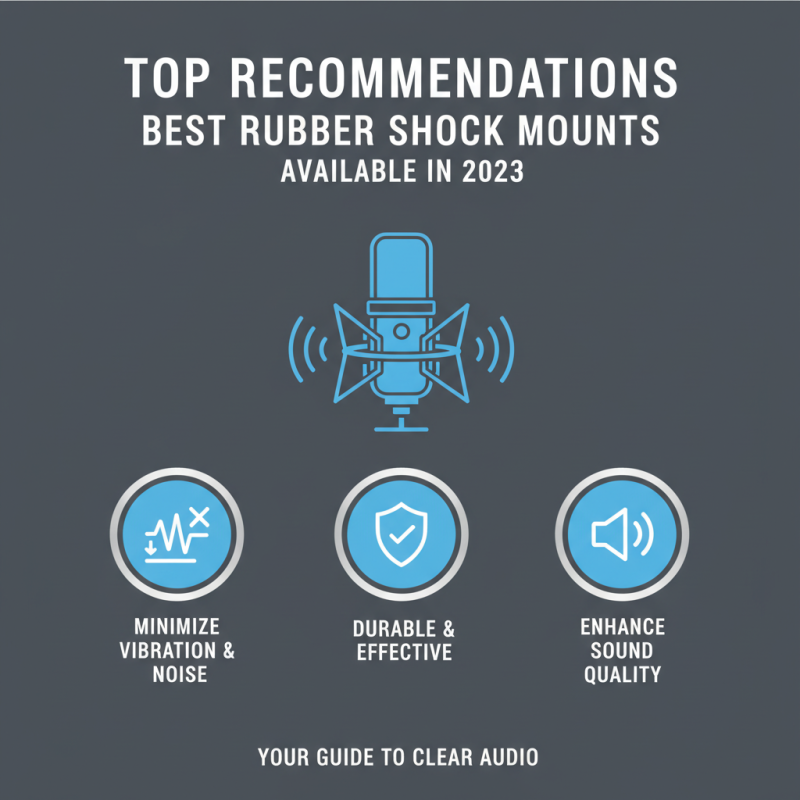
When it comes to audio, shock mounts play a crucial role. They minimize unwanted vibrations and noise from your recordings. In 2023, several rubber shock mounts stand out for their effectiveness and durability. These tools can enhance sound quality significantly. Choosing the right one depends on your specific needs and equipment.
Consider your setup. A mount that suits a heavy microphone may not be ideal for a lighter model. Look for versatility. Some mounts offer adjustable features. This can help you achieve the perfect angle and fit. Rubber materials provide excellent damping properties. They absorb shocks, ensuring cleaner audio.
However, not all rubber shock mounts perform equally in every situation. Some may feel too rigid, affecting the audio's warmth. Others could wear out quicker than expected with frequent use. Always assess your recording environment. Placement and surface can impact performance. A good shock mount should feel like an extension of your gear. Finding that perfect balance takes time and experimentation.
Installation Tips and Best Practices for Using Shock Mounts Effectively
When dealing with audio equipment, installing a rubber shock mount correctly is crucial. The goal is to minimize vibrations. Start by ensuring your microphone is securely fastened. This prevents unwanted movement that could lead to noise interference. A firm grip is necessary, but don’t overtighten. You might damage the mount.
Tips for installation include choosing the right height. Too high or too low can affect sound quality. Experiment with different positions. A little adjustment can make a big difference. Also, check the cables. Ensure they are not pulling on the mount. This can create additional vibrations and noise.
Using shock mounts effectively means regular maintenance. Check for wear and tear. Over time, rubber can degrade. This compromises the mount's effectiveness. If the mount looks aged, consider replacing it. Listen for any changes in sound quality during recordings. Trust your ears, but also reflect on how the setup impacts your work. Pay attention to your environment as well, as background noise can still seep through.
Best Rubber Shock Mounts for Your Audio Needs