What is Bracket Rubber and How is it Used in Various Applications?
Bracket rubber is an essential component in various industries. It serves multiple functions, including vibration damping, sealing, and cushioning. Many products rely on bracket rubber to ensure durability and efficiency. This versatile material comes in various shapes and sizes, tailored to specific needs.
In the automotive industry, bracket rubber absorbs shocks. It helps create a smoother ride for drivers and passengers. In construction, it seals joints and prevents water leakage. Understanding how bracket rubber works enhances its effectiveness in these applications.
However, not all bracket rubber is the same. Different formulations and designs impact performance. Users must consider factors like hardness and temperature resistance. These choices affect the longevity and reliability of the final product. Proper selection is crucial, but sometimes overlooked. This article delves into the intricacies of bracket rubber and its diverse uses across different sectors.

What is Bracket Rubber?
Bracket rubber, often seen as a crucial component in various industries, serves multiple purposes. This material is primarily used for vibration damping, sealing, and shock absorption. It is crafted from high-quality elastomer, which allows for flexibility and durability. According to a report from Market Research Future, the global demand for rubber applications is expected to increase by 5.5% annually in the coming years, underlining its importance across sectors like automotive and construction.
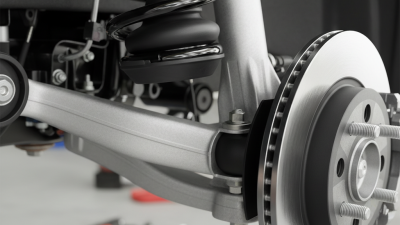
In automotive applications, bracket rubber is vital for mounting components. It minimizes vibrations and noise, enhancing overall comfort. A study by the Automotive Research Association indicates that proper use of bracket rubber can reduce noise levels by up to 30%. In construction, it plays a significant role in securing panels and structural elements, providing stability and protection. However, the selection of the right type must reflect the environmental conditions. Without careful consideration, materials can degrade, leading to costly repairs.
The diverse applications of bracket rubber showcase its significance across various domains. Yet, industries must consistently assess performance metrics. Regular evaluations can prevent premature failures. Acknowledging this aspect highlights the ongoing challenges in materials management. Even small oversights can lead to substantial issues in overall system performance.
What is Bracket Rubber and How is it Used in Various Applications?
| Application |
Material Type |
Features |
Benefits |
| Automotive |
Natural Rubber |
Durable, Elastic, Weather Resistant |
Vibration Absorption, Noise Reduction |
| Construction |
EPDM Rubber |
UV Resistant, Low Maintenance |
Long Lifespan, Cost Effective |
| Electronics |
Silicone Rubber |
Heat Resistant, Non-Conductive |
Safe for Electronics, High Insulation |
| Medical Devices |
Medical Grade Silicone |
Biocompatible, Sterilizable |
Safety, Regulatory Compliance |
Historical Development of Bracket Rubber
Bracket rubber has evolved significantly since its inception in the early 20th century. Initially developed for use in transportation, its unique properties made it suitable for various applications. The ability to absorb vibrations and dampen noise drew industries to this material. Reports indicate that the global market for elastomers, including bracket rubber, is projected to reach a valuation of approximately $74 billion by 2025. This growth reflects its widespread use in construction, automotive, and electronics.
Throughout the decades, advancements in rubber processing technology have enhanced the performance of bracket rubber. In the 1960s, innovations in polymer chemistry led to improved weather resistance and durability. By the 1990s, manufacturers began utilizing synthetic rubbers, which provided better performance in harsh environments. Recent studies show that nearly 60% of bracket rubber is now produced using sustainable materials. However, there’s still a reliance on petroleum-based sources, raising concerns about environmental impact.
The versatility of bracket rubber today is apparent. It plays a crucial role in the assembly of various products, from machinery to consumer electronics. Yet, there are challenges in ensuring consistent quality across batches. Reports suggest variability can impact performance, leading to product failures. Continuous research is necessary to address these inconsistencies while meeting industry standards. The journey of bracket rubber reflects both progress and ongoing challenges in material science.
Common Applications of Bracket Rubber in Different Industries
Bracket rubber is often used in various industries for its durability and versatility. In automotive manufacturing, it serves as a cushioning material. It minimizes vibrations and absorbs shocks in vehicles, increasing comfort for passengers. Engineers design rubber brackets to fit specific models, ensuring a tailored fit and effective performance.
In the construction sector, bracket rubber acts as a protective barrier. It prevents damage to sensitive equipment during installation and transport. Moreover, it is useful in plumbing applications, where it helps secure pipes and prevent leaks. The rubber's flexibility allows it to adapt to different shapes and sizes, creating a tight seal.
While bracket rubber has numerous benefits, its longevity can sometimes be a concern. Environmental factors, like extreme temperatures, can affect its performance. Users need to be mindful of the conditions in which these rubber products operate. Regular inspections are essential to ensure reliability. Proper maintenance extends the lifespan and functionality of bracket rubber in any application.
Advantages of Using Bracket Rubber in Manufacturing
Bracket rubber is a versatile material widely used in manufacturing. Its unique properties make it a favorite for various applications. One major advantage is its ability to absorb shock and reduce vibration. This is crucial in industries like automotive and aerospace, where components must endure extreme conditions. Using bracket rubber can lead to longer-lasting products and enhanced performance.
Another significant benefit is its resistance to wear and chemicals. This characteristic ensures that parts maintain integrity over time. In construction, for example, bracket rubber can withstand harsh weather, ensuring stability and safety. However, manufacturers must choose the right type of rubber for specific environments. Not all bracket rubber performs equally, and poorly selected materials can impair functionality.
Additionally, bracket rubber can contribute to noise reduction. This is especially valuable in settings where sound levels can affect productivity. While the initial investment may be higher, the long-term savings often justify the cost. However, businesses should regularly assess performance to avoid potential issues. Inadequate maintenance can lead to premature failure, which undermines many advantages.
Installation and Maintenance Tips for Bracket Rubber
Installing bracket rubber requires careful preparation. Ensure the surface is clean and dry before application. This helps the rubber adhere better. Measure the area where the bracket rubber will go. Cut the rubber to fit snugly but not too tight. A proper fit minimizes wear and tear.
Maintenance is equally important. Regularly inspect the rubber for signs of wear or damage. Look for cracks or tears that could compromise its function. If you notice any issues, replace the rubber promptly. This can prevent bigger problems down the line.
Cleaning the bracket rubber can extend its life. Use mild soap and water for cleaning. Avoid harsh chemicals, as they can degrade the rubber. Also, consider the environment where the bracket rubber is used. Exposure to extreme temperatures or sunlight can affect durability. Regular maintenance will ultimately save time and costs in the long run.
Usage of Bracket Rubber in Different Applications