China Top Rubber Bump Stops for Global Buyers How to Choose?
Choosing the right rubber bump stops is essential for safety and performance in various applications. John Mitchell, a renowned expert in automotive components, states, “Quality in rubber bump stops leads to better shock absorption and extends the lifespan of parts.” His insights shed light on the importance of informed decision-making when selecting these components.
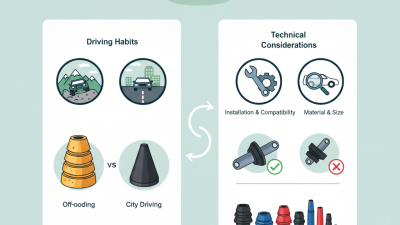
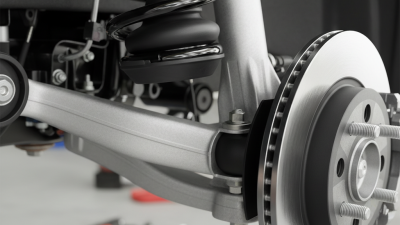
Rubber bump stops serve as crucial buffers in vehicles, preventing damage from impacts. Understanding their material composition and design can significantly influence their effectiveness. Buyers should closely evaluate specifications like hardness and size to ensure compatibility with their systems. An ill-fitting bump stop can lead to subpar performance.
Additionally, many buyers overlook the environmental factors affecting rubber bump stops. Exposure to extreme temperatures can degrade quality, diminishing their utility over time. Buyers should seek reliable suppliers who can provide detailed product information and testing data. This meticulous approach not only enhances performance but also promotes long-term reliability in various applications.
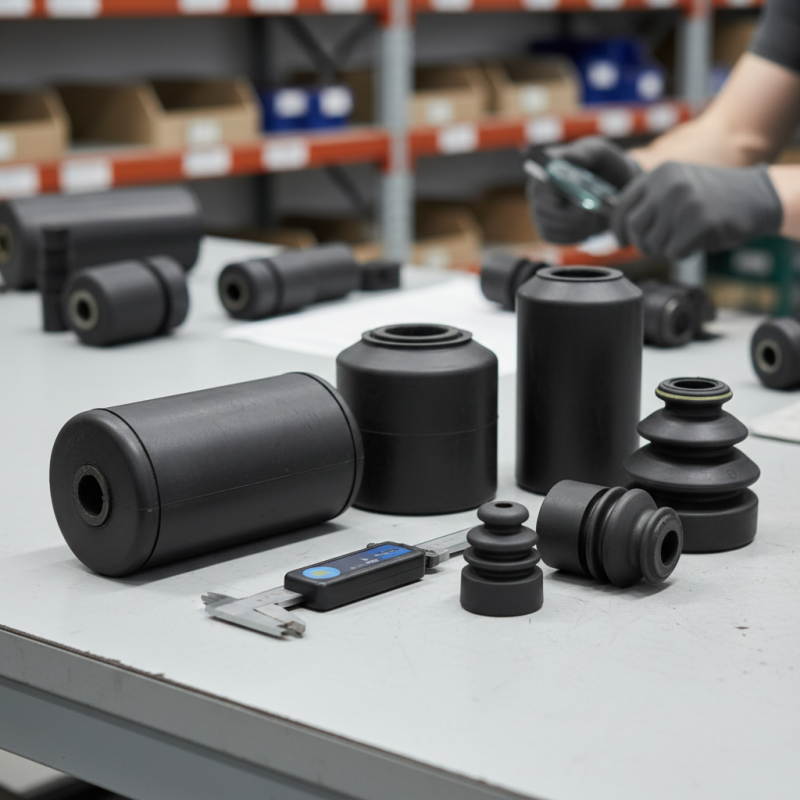
Understanding Rubber Bump Stops: Definition and Purpose
Rubber bump stops are crucial components in various mechanical systems. They act as shock absorbers, preventing damage from sudden impacts. These stops help maintain stability and ensure smooth operation. They come in various shapes and sizes, serving different purposes across industries.
When choosing rubber bump stops, understanding their definition and purpose is essential. They are designed to cushion impacts and reduce wear. However, not all bump stops are created equal. Consider the material's hardness and durability. Remember that improper selection can lead to mechanical failure.
Customization is often necessary to meet specific requirements. It's important to evaluate the application environment. Will the bump stop be exposed to extreme temperatures? How much load will they bear? These factors influence the effectiveness and longevity of the bump stops. Balancing performance and cost requires careful consideration and sometimes a bit of trial and error. Adjusting designs might be needed as you gather more information on their performance.
Types of Rubber Bump Stops Available in the Market
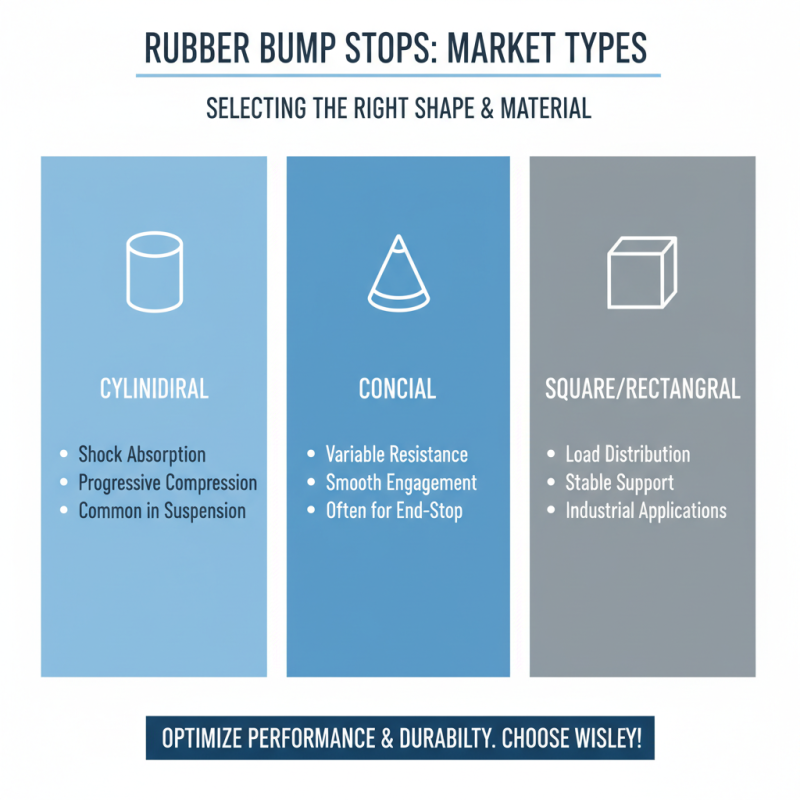
When selecting rubber bump stops, understanding the types available is essential. Rubber bump stops come in various shapes, sizes, and materials. Each type serves a specific purpose, impacting performance and durability. Common options include cylindrical, conical, and square bump stops. Choosing the right shape can enhance your application’s efficiency.
Cylindrical bump stops are versatile. They are often used in automotive and industrial applications. Their design allows for even load distribution. Conical bump stops provide more directional control. They absorb shock effectively, making them a good choice for heavy machinery. Square bump stops are suited for specialized applications. They offer stability and can be customized to specific needs.
While these options may seem straightforward, it's crucial to reflect on how each type fits your unique requirements. Not all rubber materials are equal in quality. Some may wear out faster than others. Consider the environment where the bump stops will be used. Temperature and exposure to chemicals can affect performance. Always seek reliable information to make informed decisions.
Assessing Quality and Durability of Rubber Bump Stops
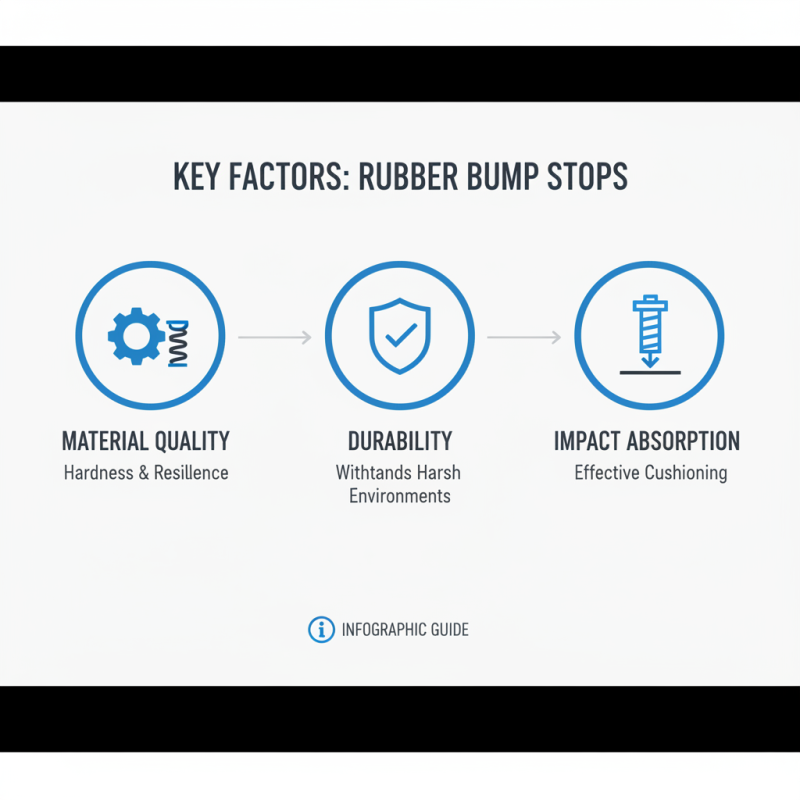
Rubber bump stops play a critical role in absorbing shocks and providing stability in various applications. When selecting bump stops, quality and durability are key factors. According to industry reports, well-manufactured rubber bump stops can last well over five years under regular use conditions. However, not all rubber bump stops meet this standard. It's vital for buyers to assess the material used in production as lower-grade rubber can lead to premature wear and tear.
One important tip: Check the hardness rating of the rubber, measured in durometers. A hardness rating between 50 to 70 indicates a balance of flexibility and sturdiness. It's also essential to ensure that the rubber is resistant to environmental factors such as UV rays and extreme temperatures. Poor resistance can lead to cracking over time, significantly reducing durability.
Another consideration is the manufacturing process. Rubber bump stops should be produced with consistent quality control. Inconsistent production can result in variations in strength, which may lead to unexpected failures during use. Investing time in verifying suppliers can make a significant difference. For example, certifications such as ISO 9001 can indicate quality assurance practices. Always remember: durability is not merely about the material; it reflects the entire manufacturing process.
Assessing Quality and Durability of Rubber Bump Stops
Best Practices for Sourcing Rubber Bump Stops from China
Sourcing rubber bump stops from China can be a strategic move for global buyers. Understanding the manufacturing landscape is crucial. Reports indicate that China accounts for over 60% of the world’s rubber parts production, driven by its robust supply chains and competitive pricing. Many manufacturers offer diverse options, but quality can vary significantly.
Buyers should look for suppliers with experience and a solid track record. A 2022 survey by the Rubber Manufacturers Association highlighted that 75% of buyers prioritize quality assurance. Certifications like ISO and ASTM are essential. They ensure the products meet safety and durability standards. Reaching out for sample products is wise. This step helps to evaluate texture, hardness, and overall performance.
Engagement with manufacturers is key. Clear communication can reveal a supplier's responsiveness and reliability. Be mindful of cultural differences that may affect negotiations. It's important to ask about their production technology and material sources. Transparency can be a red flag. A recent report from the International Trade Administration cautions about companies lacking clear documentation. Employing thorough background checks can mitigate risks effectively.