How to Choose the Best Adhesive Rubber Feet for Your Needs
Choosing the right Adhesive Rubber Feet can significantly impact product performance and user satisfaction. These small, often overlooked components provide essential cushioning and stability for various applications. According to a recent market report by Smith & Associates, the demand for adhesive rubber feet is projected to grow by 15% annually. This increase highlights their importance in both consumer and industrial products.
Expert James McAllister, a well-known figure in the adhesive industry, states, "The right adhesive rubber feet can enhance a product's longevity and usability." Selecting the ideal rubber feet requires understanding material properties, adhesion strength, and intended use. Factors such as temperature resistance and load-bearing capacity should also be considered to ensure optimal performance.
While many options are available, not every adhesive rubber foot is suitable for every application. Marketers and consumers often face challenges when assessing the quality and durability of products. Balancing cost and functionality can lead to tough decisions. Awareness of these factors can help guide users toward better choices in adhesive rubber feet.
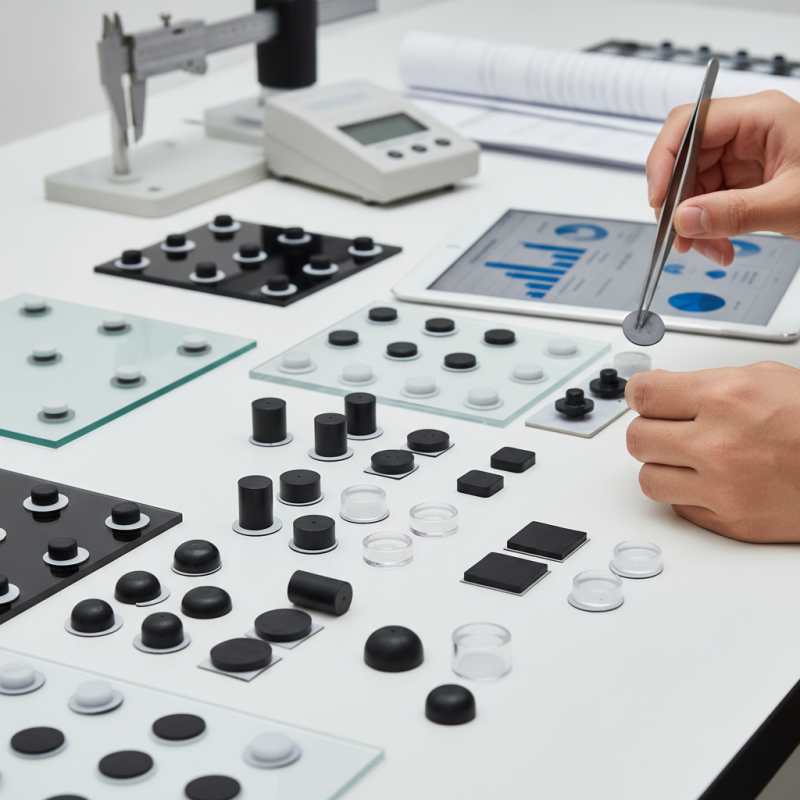
Understanding Adhesive Rubber Feet: Types and Materials
Adhesive rubber feet come in various types and materials, catering to different needs. Understanding these differences is essential. Common types include silicone, neoprene, and rubber. Each type has distinct properties. For instance, silicone rubber feet are resistant to high temperatures. Neoprene, on the other hand, offers excellent resistance to oil and chemicals.
When selecting adhesive rubber feet, consider the surface you'll place them on. Some materials adhere better to specific surfaces than others. A recent industry report highlights that nearly 30% of users experience issues due to poor adhesion. This emphasizes the importance of testing different options before making a final decision.
**Tips:** Always check the manufacturer's specifications. Test a small section first to assess adhesion. Don’t overlook the environmental factors, such as temperature and moisture, that could affect performance. If the product doesn't meet your expectations, reflect on the materials and types you chose. Adapting your selection could yield better results.
Adhesive Rubber Feet Types and Usage Frequency
Factors to Consider When Choosing Adhesive Rubber Feet
When choosing adhesive rubber feet, several factors should be considered. The material of the feet is crucial. Some rubber compounds provide better grip than others. Check the hardness rating. Softer feet often absorb shock better. They can safeguard delicate surfaces.
Adhesive strength is another key factor. Not all adhesives work on every surface. Test the adhesive on a small area first. This step helps avoid damage later. Think about the environment as well. Will they be exposed to heat or moisture? Select feet designed for those conditions.
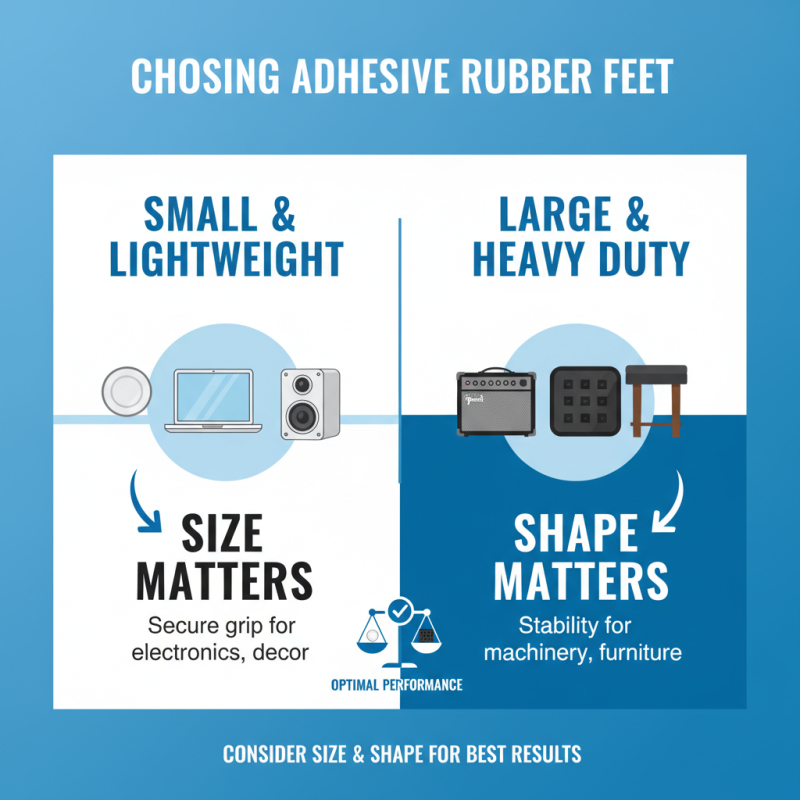
Also, size matters. Feet that are too small may not offer enough support. Larger feet can stabilize heavier items. Consider the weight of what they will support. Reflect on your specific needs before making a decision. Missing out on these details may cost you later. Choose wisely to enhance functionality and protection.
How to Choose the Best Adhesive Rubber Feet for Your Needs - Factors to Consider When Choosing Adhesive Rubber Feet
| Dimension |
Material Type |
Adhesive Strength |
Temperature Resistance |
Application |
| Diameter: 1 inch |
Silicone Rubber |
High |
-40 to 120 °C |
Electronics |
| Diameter: 0.5 inch |
EPDM Rubber |
Medium |
-20 to 100 °C |
Furniture |
| Diameter: 2 inches |
Natural Rubber |
High |
-30 to 90 °C |
Appliances |
| Diameter: 1.5 inches |
PVC |
Low |
0 to 60 °C |
Office Equipment |
Assessing the Size and Shape for Your Specific Application
Choosing the right adhesive rubber feet requires careful consideration of size and shape. These factors play a key role in how well they perform for specific applications. For example, a small rubber foot might work well for lightweight items. However, it may not provide enough stability for heavier objects. That’s something to think about when making your choice.
When assessing size, measure the dimensions of the surface area it will adhere to. Too small, and the foot might slip or fail to stick; too large, and it may obstruct movement or aesthetic appeal. The shape also matters. Flat feet provide stability on even surfaces, while rounded ones can help with mobility. These details can significantly affect usability, so take the time to evaluate them closely.
Reflecting on these aspects can lead to better decisions. It’s easy to overlook such details in the excitement of acquisition. Sometimes, the wrong fit can cause frustration. Making a deliberate choice helps avoid this. Adapting to your situation requires effort but results in improved performance.
Evaluating Adhesive Strength and Durability
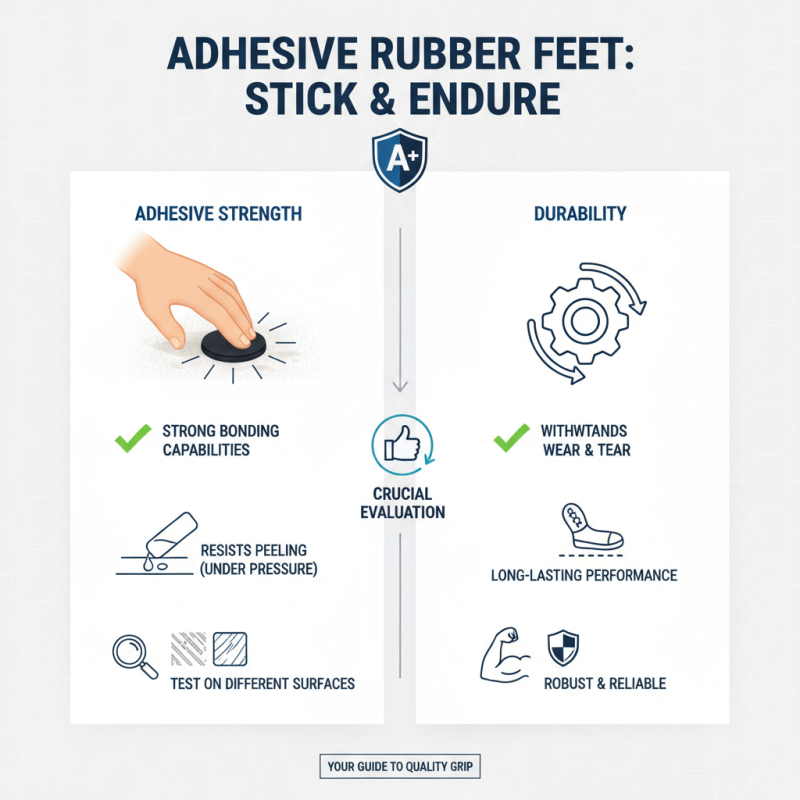
When selecting adhesive rubber feet, evaluating adhesive strength and durability is crucial. You need feet that stick well and endure wear and tear. Look for options that advertise strong bonding capabilities. Test them on different surfaces to see how they hold up. A good adhesive should resist peeling, especially under pressure.
Here are some tips to consider. Check if the adhesive is suitable for your specific surface. Some adhesives bond better with wood, while others work with metal or plastic. Conduct a pull test to evaluate how easily the foot comes off. A strong grip means less chance of slipping or damage.
Consider the environmental factors, too. Will they face heat or moisture? If so, choose rubber feet designed for those conditions. It’s best to read reviews or consult others who have used them. Remember, not all adhesive types are equal. Some might look durable but fail when stressed. Reflect on these aspects to make the right choice.
Application Techniques for Proper Installation of Rubber Feet
When installing rubber feet, proper application techniques are essential for achieving the best results. Ensure the surfaces are clean and dry before application. According to recent industry reports, over 30% of adhesive failures occur due to inadequate surface preparation. Dust, grease, or moisture can significantly weaken adhesion. Use isopropyl alcohol to wipe the area and allow it to dry completely.
After cleaning, remove the backing of the adhesive and press firmly. A study from a leading adhesive manufacturer indicates that applying even pressure for at least 30 seconds boosts adhesion strength. Uneven pressure might lead to a compromised bond. It's crucial to avoid repositioning the rubber feet once they are placed, as this can lift the adhesive layer and reduce its effectiveness.
Lastly, consider environmental factors. High humidity or low temperatures can affect the curing process of adhesives. These conditions might not show immediate issues but can lead to premature failure. Regularly check installations for signs of wear or loosening, as proactive maintenance can prevent larger problems in the future.