2026 How to Choose the Best Silicone Rubber Buttons for Your Project?
Choosing the right Silicone Rubber Buttons for your project can be overwhelming. With various options available, decisions can feel daunting. Silicone Rubber Buttons offer durability and flexibility, making them ideal for many applications. However, selecting the best type requires careful consideration.
Consider the specific needs of your project. Think about the button's shape, size, and texture. Each feature can impact usability. For example, larger buttons may offer better accessibility. Texture can enhance grip, altering the user experience significantly. Understanding these details can lead to a successful outcome.
Quality is paramount. Reliable suppliers ensure consistency in their Silicone Rubber Buttons. Researching manufacturers helps you find trusted materials. It’s essential to match the buttons with compatibility requirements for your devices. Reflecting on these aspects may highlight gaps in your initial choice. Striking the right balance will enhance overall satisfaction in your project.
Understanding Silicone Rubber Buttons: Key Features and Benefits
Silicone rubber buttons are versatile components widely used in various projects. These buttons offer a blend of durability and flexibility. Understanding their features is crucial for making informed choices. They resist extreme temperatures, making them suitable for outdoor applications. Silicone rubber is also waterproof, ensuring longevity in moisture-rich environments.
Key benefits include tactile feedback. Pressing a silicone button feels satisfying and responsive. This feature enhances user experience in devices like remote controls or appliances. Additionally, silicone is non-toxic and environmentally friendly. It can be molded into various shapes and colors, allowing for creative designs. However, the softness of silicone can be a drawback in some applications, as it may not provide a rigid structure.
When choosing silicone rubber buttons, consider your project's specific needs. Assess the mechanical properties required. Think about stretchability and resilience. A thorough evaluation of these features can inform your selection, ensuring optimal performance for your application. Balancing functionality with design is essential. An ideal choice enhances usability while meeting aesthetic expectations. Conducting tests may reveal unforeseen issues. It's worth the effort to find the perfect match for your project.
Types of Silicone Rubber Buttons: A Comprehensive Overview
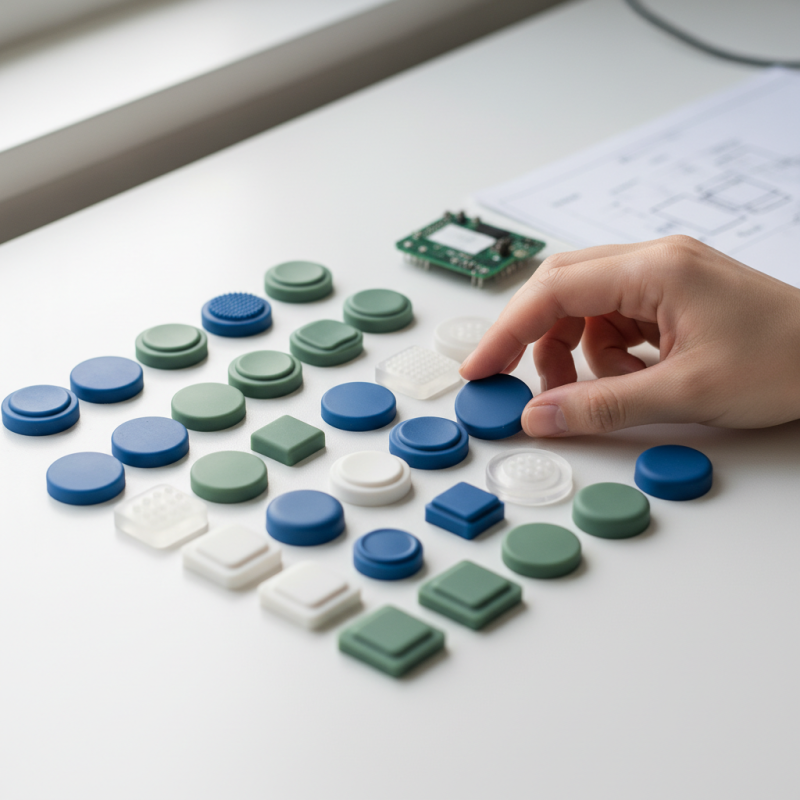
When selecting silicone rubber buttons, understanding the various types is crucial. Silicone buttons can vary significantly in design and functionality. The most common types include flat buttons, domed buttons, and backlit buttons. Each serves different purposes in various applications, from consumer electronics to medical devices.
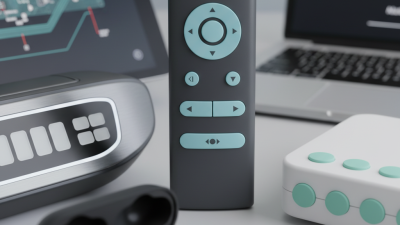
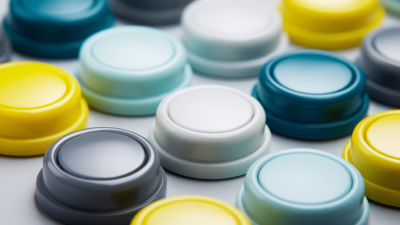
Flat silicone buttons are often used for basic functions. They provide a minimalist design and can be easily customized in size and color. Domed buttons offer a tactile response, enhancing user experience. They are commonly found in remote controls and gaming devices. Backlit buttons incorporate LED lighting to ensure visibility in darker environments. This feature is essential for devices used at night.
Reflecting on each type's strengths and weaknesses can aid decision-making. Flat buttons might lack tactile feedback, which could frustrate users. Domed buttons, while satisfying to press, may require more space. Additionally, the manufacturing process for retrofitting backlighting can be complex. Thoughtful consideration of these elements will lead to a more successful project outcome.
Factors to Consider When Selecting Silicone Rubber Buttons for Projects
When choosing silicone rubber buttons for your project, several factors demand careful consideration. The durometer, or hardness, of the silicone can significantly impact user experience. According to a recent industry report, the ideal hardness usually ranges from 30 to 90 Shore A. Softer buttons feel more tactile, but they may wear out faster. Testing various hardness levels can lead to better durability insights.
Another vital factor is the button's design. Molded shapes and textures can influence how easily users engage with them. Buttons intended for high-traffic applications should feature ergonomic designs. Shape and surface texture can enhance grip and usability. Technical standards like ISO 1629 help ensure that selected materials meet performance requirements.
Tip: Always prototype your buttons before final production. This lets you gather real feedback. Engaging potential users early in the process can highlight design flaws you may overlook.
Lastly, consider the environmental impact. It is crucial to evaluate material sourcing and end-of-life disposal. Many regions are moving towards stricter sustainability regulations. Aligning your button selection with these trends can improve your project's credibility. It's worth exploring biodegradable silicone alternatives, which may have previously been overlooked.
Application Areas of Silicone Rubber Buttons: Industry Insights
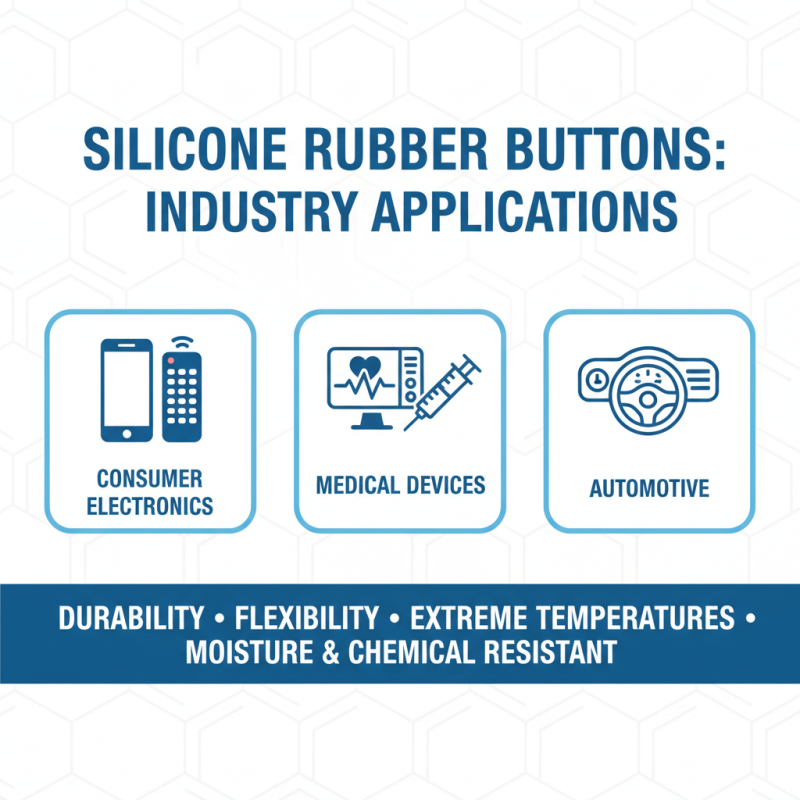
Silicone rubber buttons are widely used across various industries due to their durability and flexibility. You can find them in consumer electronics, medical devices, and automotive applications. These buttons offer excellent performance in demanding environments. They withstand extreme temperatures and are resistant to moisture and chemicals.
In consumer electronics, silicone buttons are often used for remotes and wearable devices. Their tactile feedback enhances user experience. They are soft yet resilient, providing a comfortable feel during operation. In the medical field, silicone buttons face strict hygiene standards. Manufacturers need to ensure they are easy to clean and safe for direct contact with skin.
The automotive sector also employs silicone rubber buttons for dashboards and control panels. These buttons must endure constant use and exposure to outdoor elements. Quality control is essential to ensure long-lasting performance. Choosing the right silicone rubber buttons often requires consideration of specific project needs. Testing under real-world conditions can reveal potential shortcomings. It's crucial to balance aesthetics and functionality for optimal output.
Tips for Sourcing and Testing Silicone Rubber Buttons Effectively
When sourcing silicone rubber buttons for your project, it's crucial to consider various factors. Start by evaluating the material quality. Look for buttons made from high-grade silicone that can withstand wear and tear. Examine the tactile feel, as this affects user experience significantly. A soft yet durable button often leads to better customer satisfaction.
Testing is equally essential. Create a prototype and conduct usability tests. Gather feedback from potential users regarding the button's responsiveness. Make adjustments based on their input. Keep in mind that variations in texture and firmness may alter functionality. Check for consistency in color and shape as well, as this can impact the perceived quality.
Don't overlook the manufacturing process. Research the suppliers to ensure they follow industry standards. Avoid relying solely on online reviews. Visit factories if possible to assess their practices. Remember, sourcing effectively requires diligence and a willingness to adapt. The journey may reveal insights that lead to a superior product.