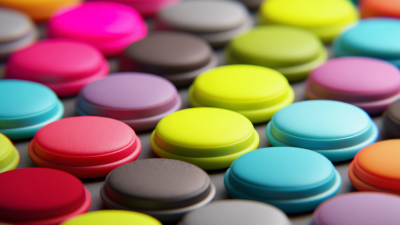
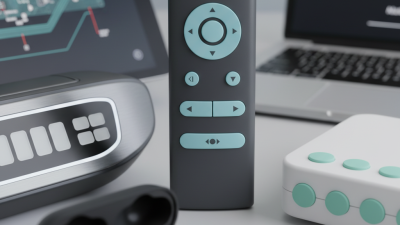
Why Choose Silicone Rubber Buttons for Your Products?
When considering product design, the choice of buttons often goes unnoticed. However, the use of Silicone Rubber Buttons can significantly enhance the user experience. Industry expert John Smith states, "Silicone Rubber Buttons provide unmatched durability and tactile feedback." This insight highlights the importance of material selection in consumer electronics.
Silicone Rubber Buttons are not just functional; they are also versatile. They can withstand extreme temperatures and resist harsh chemicals. This adaptability makes them ideal for various applications, from home appliances to medical devices. Choosing the right buttons ensures longevity and reliability. However, manufacturers must also consider cost implications and production processes.
While Silicone Rubber Buttons have many advantages, they are not without challenges. For instance, the molding process can be complex and require expertise. In some cases, achieving the desired tactile feel may involve extensive testing. Balancing quality and cost is a concern for many developers. Continuous improvement in techniques is crucial for staying competitive in the industry.
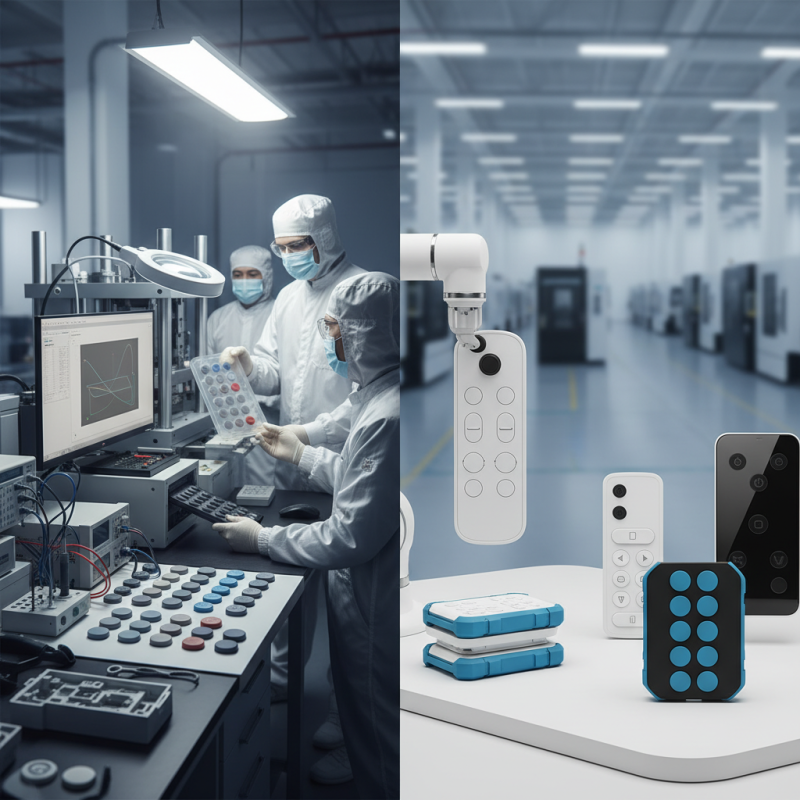
Benefits of Silicone Rubber Buttons in Product Design
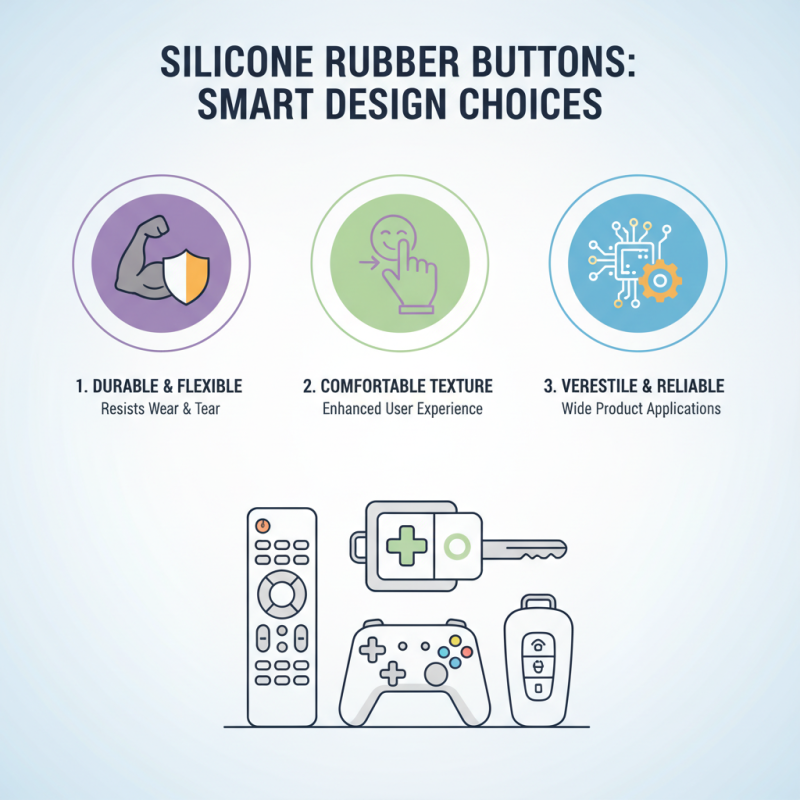
Silicone rubber buttons are increasingly popular in various product designs. They offer several advantages that make them a smart choice. Firstly, silicone is durable and flexible. This means buttons can withstand wear and tear while maintaining their shape. The texture of silicone provides a comfortable feel, enhancing user experience.
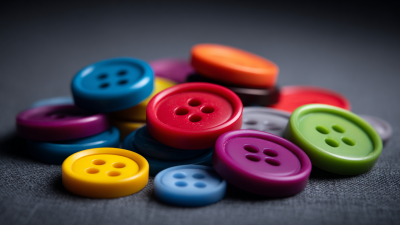
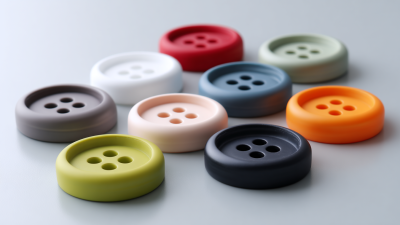
Incorporating silicone buttons can also improve design aesthetics. They come in various colors and shapes, allowing for unique customization. This versatility allows designers to create products that stand out. Silicone rubber buttons are also waterproof, making them ideal for products exposed to moisture.
**Tip: Consider the environment where the product will be used.** If it faces frequent exposure to water or dirt, silicone buttons are a practical choice.
One drawback is that silicone may not always feel as responsive as other materials. This can lead to user frustration. It's crucial to balance aesthetics with functionality. Testing different designs can help find the right solution.
**Tip: Gather feedback from potential users.** Understanding their preferences can lead to better design decisions. Including silicone rubber buttons in your products can enhance their appeal, but thoughtful design is key to success.
Durability and Longevity: Silicone Rubber vs. Alternative Materials
Silicone rubber buttons offer remarkable durability and longevity compared to alternative materials. According to a report by MarketsandMarkets, the global silicone market is projected to reach $33.2 billion by 2026, driven primarily by its resilience. It can withstand extreme temperatures, from -50°C to 200°C. This versatility allows for extensive use in various industries, including automotive and consumer electronics.
In contrast, traditional materials like PVC or polyurethane typically show signs of wear and tear within a few months. Silicone buttons, however, can last for years without degradation. They resist UV rays, moisture, and chemicals well. A study noted that silicone buttons maintain their tactile qualities and appearance even after extensive use. This longevity is appealing, but it raises questions. Are manufacturers balancing cost and sustainability effectively?
Moreover, silicone rubber is relatively non-toxic and safe for users. However, it can be more expensive than other options. While initial costs are higher, the long-term benefits often justify the investment. Companies must evaluate their priorities. Is cost more critical than durability? If so, will they sacrifice quality for a short-term gain?
Cost-Effectiveness of Silicone Rubber in Production Processes
Silicone rubber buttons are gaining popularity in various products. They offer significant cost-effectiveness in production processes. According to a report from the Silicone Industry Association, silicone rubber can reduce production costs by up to 30%. This is largely due to its durability and long lifespan.
Silicone is versatile and can withstand extreme temperatures. It is valued for its ease of molding and shaping into various designs. Manufacturers can produce intricate details without extensive additional costs. The initial investment in silicone production can be higher, but the long-term savings are substantial. A study by Market Research Future shows that over 60% of manufacturers prefer silicone for its low maintenance and high performance.
While silicone offers many benefits, it still requires careful consideration. Not all silicone types are created equal, and variations can impact quality. Some may not perform as expected under specific conditions. It's essential to choose the right formulation for the intended application. Balancing cost, durability, and functionality is key in decision-making. Companies need to remain vigilant and conduct proper testing to ensure they meet industry standards and customer needs.
Why Choose Silicone Rubber Buttons for Your Products? - Cost-Effectiveness of Silicone Rubber in Production Processes
| Dimension |
Details |
| Material Properties |
Durable, flexible, and resistant to extreme temperatures |
| Production Cost |
Lower cost per unit compared to plastic alternatives |
| Mold Design |
Simplified mold design reduces initial setup costs |
| Production Time |
Faster production cycle increases overall throughput |
| Customization |
Easily customizable in color and texture to meet consumer needs |
| Environmental Impact |
Recyclable nature lessens the ecological footprint |
| Market Demand |
Increasing consumer preference for durable and eco-friendly products |
Customization Options for Silicone Rubber Buttons in Various Applications
Silicone rubber buttons offer exceptional customization options for various applications. They can be molded into different shapes, sizes, and colors, making them suitable for diverse products. This adaptability allows businesses to align buttons with their branding and product design. For instance, a specific color can enhance visibility, while unique shapes can facilitate user interaction.
Tips: Consider how tactile elements affect user experience. Smooth surfaces may feel nice, but textured designs can improve grip. Think about the context of use too. Will users be operating buttons with gloves? If so, size and shape matter significantly.
Another benefit of silicone rubber buttons is durability. They resist wear and tear well, even in harsh conditions. However, some manufacturers overlook this when creating prototypes. Ensuring the buttons maintain their functionality is crucial. A button that looks great but fails under stress can lead to customer dissatisfaction.
Tips: Always test your button in real-world situations. Consider temperature and moisture levels. Decisions made early in the design process have lasting effects. Reflect on your choices, and be open to adjustments as needed.
Environmental Impact and Sustainability of Silicone Rubber Products
Silicone rubber is increasingly recognized for its environmental benefits. Unlike traditional plastics, silicone can withstand extreme temperatures and has a long product life. According to a study by the American Chemical Society, silicone products can last over a decade, reducing the need for frequent replacements. This durability leads to less waste in landfills.
Another significant point is the manufacturing process. Silicone rubber can be produced without releasing harmful byproducts. In fact, a report by the Environmental Protection Agency indicates that silicone production generates less than half the carbon footprint of conventional plastics. Even though silicone is derived from silica, a natural resource, its lifecycle can be challenging.
Recycling options are limited, and many environmentalists urge improvements in this area.
The energy required to manufacture silicone is also worth considering. While it may be more eco-friendly than conventional materials, its production still consumes energy. The industry is urged to explore renewable energy sources to minimize this impact.
These conversations around sustainability and environmental responsibility are crucial, even if solutions are not perfectly defined at this moment.