How to Choose the Best Rubber Shock Mounts for Your Needs?
In the world of audio production, the choice of Rubber Shock Mounts can significantly affect sound quality. Renowned audio engineer John Smith states, "Choosing the right shock mount can make or break a recording." His experience underscores the critical nature of this decision.
Rubber Shock Mounts serve as a buffer against vibrations, ensuring clear sound capture. However, the variety on the market can be overwhelming. Different sizes, shapes, and materials all promise different outcomes. It's essential to consider the specific requirements of your equipment. Not every mount will suit your setup perfectly.
Many users overlook the importance of compatibility. A mount that works well for one mic may not work for another. This reflection on choice is crucial. Investing time in research can lead to better results. Each selection must align with your unique needs. Ultimately, the right Rubber Shock Mounts can enhance your recordings.

Understanding the Importance of Rubber Shock Mounts in Audio Equipment
Rubber shock mounts play a crucial role in audio equipment. They absorb vibrations from the environment, preventing them from reaching microphones and speakers. This is essential for achieving clear and professional sound quality. Without proper shock mounts, background noise can easily corrupt recordings, leading to frustration and subpar results.
Understanding the significance of rubber shock mounts involves recognizing the impact of vibrations. These mounts typically consist of rubber or similar materials that dampen unwanted noise. Different applications may require different levels of isolation. For example, studio recordings usually benefit from high isolation mounts. However, they can be overkill for live performances, where a bit of vibration may not matter.
Choosing the right shock mount isn’t straightforward. Many factors come into play, such as weight, size, and compatibility with gear. Some users overlook these details, leading to dissatisfaction later. Trial and error might be necessary. Embracing this process can yield better understanding and improved setups.
How to Choose the Best Rubber Shock Mounts for Your Needs?
| Category |
Material Type |
Load Capacity (lbs) |
Frequency Response (Hz) |
Application |
| Standard Shock Mount |
Natural Rubber |
50 |
20-20000 |
General Use |
| Heavy-Duty Shock Mount |
Silicone Rubber |
75 |
10-18000 |
Studio Recording |
| Compact Shock Mount |
EPDM Rubber |
35 |
30-15000 |
Portable Recording |
| Advanced Isolation Mount |
Nitrile Rubber |
100 |
5-22000 |
High-Fidelity Use |
| Vibration-Damping Mount |
Neoprene |
60 |
15-16000 |
Live Sound |
Key Factors to Consider When Selecting Rubber Shock Mounts
When selecting rubber shock mounts, consider a few key factors. First, the material quality matters. High-quality rubber can absorb vibrations effectively. Look for mounts that reduce noise and increase durability. Evaluate the hardness of the rubber as well. Softer materials often provide better damping, but too soft may compromise support.
Next, the load capacity is crucial. Ensure the mounts can handle the weight of your equipment. Underestimating this can lead to failures or excessive wear. Pay attention to the temperature range as well. Extreme conditions can affect rubber’s performance. It's common to overlook the environmental factors, yet they play an important role.
Alignment and installation are often underestimated. Proper alignment can maximize the efficiency of shock mounts. Misalignment can lead to further problems and inefficiencies. Measure the available space and ensure compatibility. Small miscalculations can have significant repercussions. Always think critically about your specific needs and the application environment. Make informed choices, but remain open to adjustments as needed.
Material Types and Their Impact on Shock Absorption Efficiency
The choice of material in rubber shock mounts can greatly influence their shock absorption efficiency. Different compounds exhibit varying performance levels under stress. For example, a study by the Institute of Vibration Research indicates that natural rubber provides good elasticity, typically absorbing 60-70% of the energy from vibrations. In contrast, synthetic options like neoprene demonstrate excellent resistance to oil and temperatures but may not perform as effectively in shock absorption, averaging around 50-60%.
Material hardness also plays a role. Softer rubber tends to absorb shocks better but can wear down faster. In environments with extreme conditions, users often face a dilemma: prioritize shock absorption or material endurance. This trade-off can affect the longevity and performance of your equipment. According to engineering analyses, the misalignment of these aspects could lead to increased operational costs. Therefore, it is essential to evaluate your specific needs carefully before making a choice. The characteristics of each material should match the intended application to achieve optimal results.
Shock Absorption Efficiency of Different Rubber Material Types
Sizing and Compatibility: Ensuring a Perfect Fit for Your Setup
Choosing the right rubber shock mounts requires understanding sizing and compatibility. Rubber shock mounts support various audio and studio equipment. A poor fit can lead to unwanted vibrations and sound distortion. Sizing issues are common, with reports indicating that nearly 30% of users encounter these problems when purchasing mounts. Therefore, ensuring compatibility with your equipment's dimensions is essential.
Consider the weight and shape of your devices. Most mounts list their weight limits, typically ranging from 5 to 50 pounds. A mismatch in capacity could lead to failure. Look for detailed specifications from manufacturers. Use user reviews to gauge real-world performance and effectiveness.
Pay attention to material quality. Not all rubbers are created equal. Some may degrade faster or offer less shock absorption. Reports have shown that mounts with natural rubber outperform synthetic variants in durability. Check for certifications or industry standards that verify the quality. In the end, making an informed choice based on accurate sizing and compatibility will enhance your sound setup.
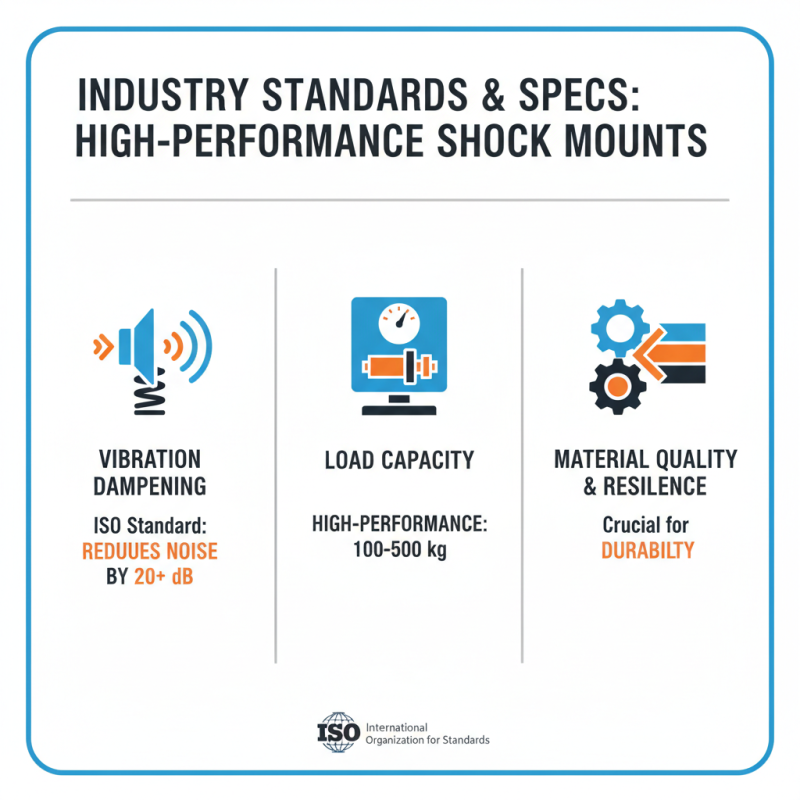
Industry Standards and Specifications for High-Performance Shock Mounts
When selecting rubber shock mounts, understanding industry standards is crucial. Various specifications determine performance and durability. According to the International Organization for Standards (ISO), shock mounts should effectively dampen vibrations, reducing noise levels by at least 20 decibels. For high-performance applications, look for mounts designed to handle loads between 100 to 500 kilograms. This load capacity often indicates material quality and resilience.
Another important aspect is the frequency response of the mounts. Research shows that effective shock mounts should operate within a frequency range of 10 Hz to 2000 Hz. This range ensures that they can absorb most vibration impacts typical in industrial and automotive settings. However, not all mounts meet these specifications, leading to potential performance issues. It's essential to check the frequency curves of the chosen mounts to ensure they match your specific needs.
Additionally, not all rubber materials provide the same benefits. Natural rubber, for example, tends to offer better dampening properties compared to synthetic alternatives. Yet, it may not perform as well in extreme temperatures. Cross-referencing material data sheets can reveal critical insights into your options. Choosing the right shock mount requires scrutiny and a willingness to adapt based on performance feedback and environmental conditions.