2025 How to Choose the Best Silicone Rubber Buttons for Your Projects
In the realm of product design and development, choosing the right components can significantly influence the functionality and user experience of a final product. One such crucial element is the use of Silicone Rubber Buttons. As industry expert Dr. Emily Carter, a leading authority in material science, notes, "The right silicone rubber formulation can greatly enhance tactile feedback and durability in button design." This insight highlights the importance of carefully selecting silicone materials to meet specific project requirements.
Silicone Rubber Buttons have gained popularity in various applications due to their flexibility, resilience, and ability to withstand harsh environmental conditions. Whether it's for consumer electronics, household appliances, or automotive controls, the characteristics of silicone rubber can greatly affect the long-term performance and aesthetic appeal of the buttons. Therefore, understanding the different formulations and design considerations available in the market is essential for innovators looking to optimize their projects.
In this article, we will explore key factors to consider when selecting Silicone Rubber Buttons, including material properties, design features, and manufacturing techniques. By making informed choices, designers can ensure their products not only meet functionality standards but also enhance the overall user experience.

Understanding Silicone Rubber Buttons: Types and Applications
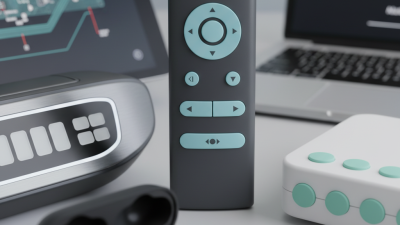
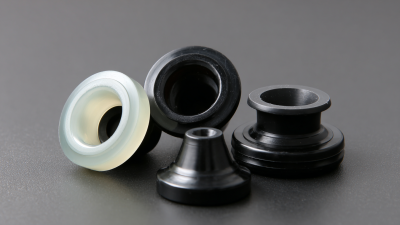
Silicone rubber buttons are versatile components used in a wide range of applications, from consumer electronics to medical devices. Understanding the types of silicone rubber buttons available is crucial for selecting the right one for your project. Generally, there are three main types:
membrane switches,
tactile buttons, and
decorative buttons.
Membrane switches are flat and can be printed with custom graphics, making them ideal for control panels and appliances. Tactile buttons, on the other hand, provide a noticeable feedback when pressed, which is essential for handheld devices that require user interaction. Decorative buttons focus on aesthetic appeal and can be customized in various colors and finishes, often used in automotive interiors or electronic housings.
In addition to their mechanical properties, silicone rubber buttons are valued for their
durability and
resistance to environmental factors. They can withstand extreme temperatures, moisture, and exposure to chemicals, making them suitable for both indoor and outdoor use. Moreover, silicone's inherent flexibility allows for unique designs that can accommodate various shapes and sizes, enhancing the user experience. When choosing silicone rubber buttons for your project, it's essential to consider factors such as tactile feedback, the button's intended application, and environmental conditions to ensure
optimal performance and
longevity.
Key Factors to Consider When Selecting Silicone Rubber Buttons
When selecting silicone rubber buttons for your projects, several key factors must be considered to ensure optimal performance and durability. First, examine the durometer of the silicone material, which measures its hardness. A durometer range of 30-60 Shore A is generally recommended for applications requiring a soft touch and easy compression, while higher durometer ratings provide increased resistance to wear and tear. According to a recent market analysis, products with an optimal durometer show a 30% increase in longevity, making it crucial to choose the right hardness for your specific use case.
Another important aspect to consider is the environmental resistance of silicone rubber. It is essential to evaluate how the buttons will perform in varying temperatures and exposure to chemicals or UV light. Research indicates that silicone rubber retains its properties in a temperature range from -60°C to 200°C, making it suitable for diverse applications, from automotive to consumer electronics. Furthermore, selecting silicone with enhanced chemical resistance can lead to a significant reduction in product failures, as evidenced by a case study showing a 25% lower failure rate in harsh environments. By focusing on these factors, you can ensure that the silicone rubber buttons you select will meet the demands of your projects effectively.
Design Considerations for Custom Silicone Rubber Buttons
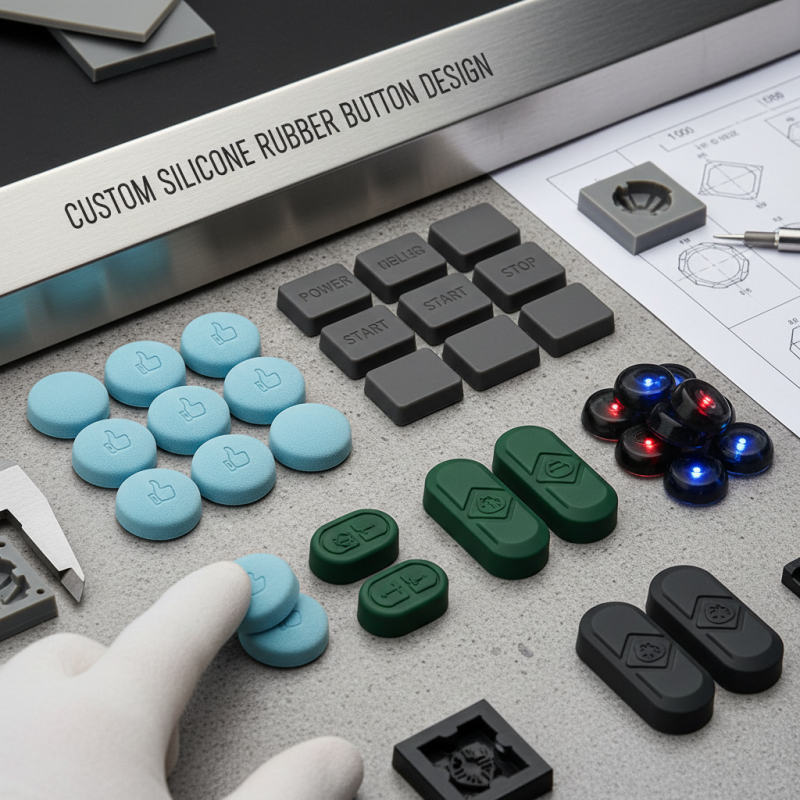
When designing custom silicone rubber buttons, several critical considerations can greatly influence the functionality and aesthetics of your product. First and foremost, you should assess the intended use of the buttons. Understanding the environment in which they will operate, whether it's for handheld devices, appliances, or industrial applications, can determine the required durability and resistance characteristics. Selecting the right hardness and texture is essential; softer buttons provide a more tactile feel, while firmer options may yield better control and longevity.
**Tips: Choose a texture that complements usability. For example, a smooth surface might be ideal for quick touch, while a textured finish can prevent slips and enhance grip in demanding environments.**
Another major consideration is the design and layout of the buttons. Think about the size, shape, and arrangement of the buttons to ensure they are intuitive and comfortable for users. It’s important to strike a balance between aesthetics and function; buttons should be visually appealing but also easy to locate and operate. Remember that color can also play a significant role in the effectiveness of your design, as it impacts visibility and user interaction.
**Tips: Conduct user testing with prototypes to gather feedback on button design and functionality. This real-world insight can help refine your design before final production.**
Quality Assurance: Testing and Evaluating Silicone Rubber Buttons
When selecting silicone rubber buttons for your projects, quality assurance is paramount. Testing these buttons involves several key parameters to ensure their reliability and performance. Initially, one must examine the physical properties of the silicone material, which include its hardness, elasticity, and durability. Hardness tests, often conducted using a durometer, help determine the button's resistance to deformation when pressure is applied. This information is crucial for applications requiring precise tactile feedback.
Another critical aspect of quality assurance is evaluating the buttons’ resistance to environmental factors such as temperature fluctuations, moisture, and UV exposure. Subjecting the silicone buttons to accelerated aging tests can reveal how they will perform over time in real-world conditions. Additionally, chemical resistance tests should be performed to identify how well the buttons withstand exposure to various substances, ensuring they maintain functionality and aesthetic appeal.
By rigorously testing and evaluating these silicone rubber buttons against industry standards, you can select components that meet your project's specific needs and ensure their longevity and performance in the intended environment.
Best Practices for Integrating Silicone Rubber Buttons into Your Projects
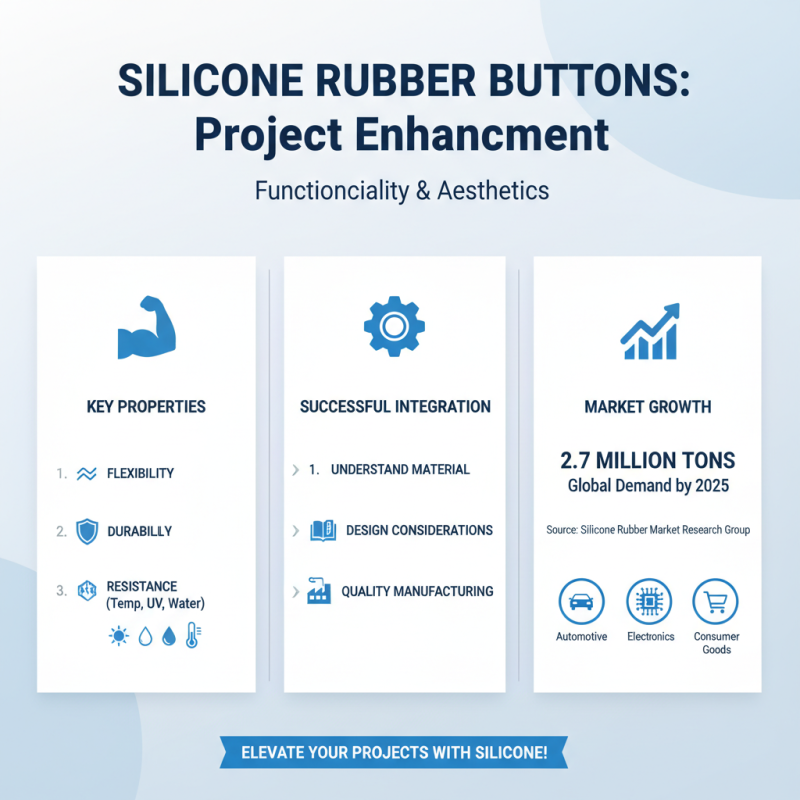
Integrating silicone rubber buttons into your projects can elevate both functionality and aesthetics. To ensure successful implementation, it's critical to understand the unique properties of silicone rubber, which include flexibility, durability, and resistance to environmental factors. According to a report by the Silicone Rubber Market Research Group, the global demand for silicone materials is projected to reach 2.7 million tons by 2025, highlighting the material's growing popularity across various sectors such as automotive, electronics, and consumer goods.
When designing with silicone rubber buttons, consider factors like the button's texture, size, and actuation force. The tactile feedback is essential for user satisfaction; an optimal balance between softness and resilience can enhance the overall user experience. A study published in the Journal of Materials Science found that silicone buttons with a Shore A hardness of 30-60 display the best user engagement results.
**Tips:** Ensure that the shore hardness matches the application needs. For interactive devices, a softer button (around Shore A 30-40) is recommended for ease of use. Additionally, consider environmental factors such as temperature and exposure to chemicals, as silicone's resistance can vary. Finally, prototype your designs extensively; hands-on testing is invaluable to gauge both functionality and user preference before final production.