How to Choose the Best Silicone Rubber Buttons for Your Needs?
Choosing the right Silicone Rubber Buttons is crucial for various applications. A recent report showed that the demand for silicone products has increased by over 10% in the last few years. This growth highlights the importance of selecting the appropriate material and design to meet specific needs.
When considering Silicone Rubber Buttons, numerous factors come into play. Factors such as hardness, compression set, and environmental resistance can significantly impact performance. Different industries leverage these buttons, including electronics, automotive, and consumer goods. Each sector often requires unique specifications.
Some users overlook essential details, which can lead to unsatisfactory results. Selecting the wrong Silicone Rubber Button may result in failure during critical applications. It's vital to evaluate the intended use and durability requirements carefully. Ignoring these factors could impact product lifespan and overall effectiveness. Choosing wisely ensures that you meet both functionality and safety standards in your projects.
Understanding the Different Types of Silicone Rubber Buttons
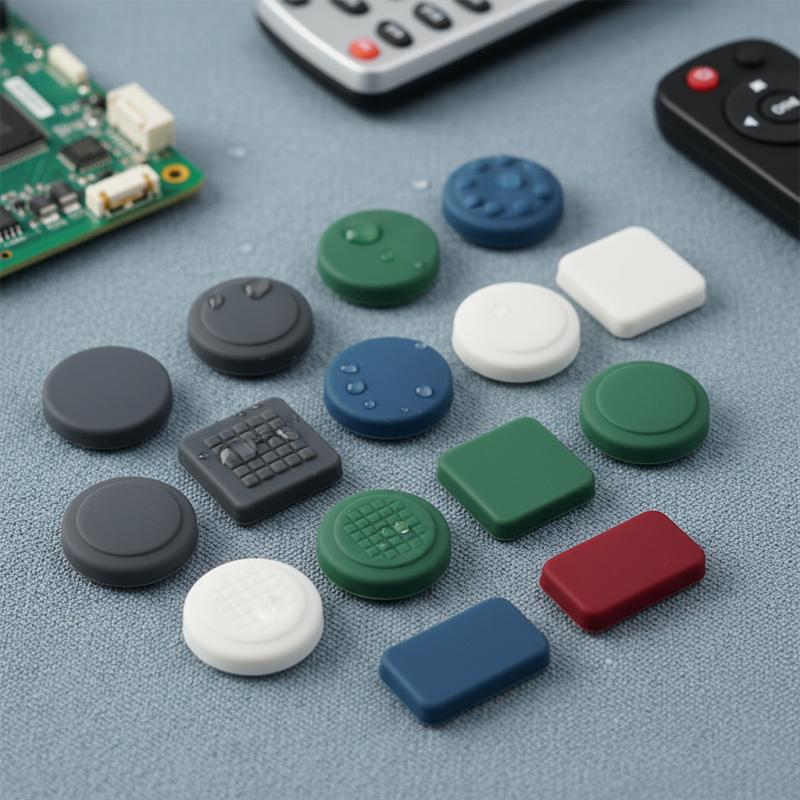
When choosing silicone rubber buttons, understanding their types is essential. There are two main categories: solid and dome-shaped buttons. Solid buttons are flat, offering a consistent feel under touch. They are durable and can withstand heavy use. On the other hand, dome-shaped buttons provide a tactile feedback that many users prefer. They feel satisfying to press and can enhance the user experience.
Different applications may require specific designs. For instance, medical devices often use soft silicone buttons for comfort and hygiene. In contrast, industrial equipment might prioritize durability, choosing solid buttons. The texture also matters. A matte finish may prevent slippage, while a glossy finish can look sleek but may be slippery when wet. It’s important to evaluate how your needs align with these options.
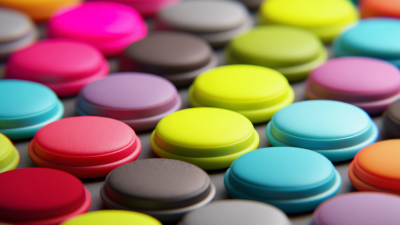
Furthermore, color and visibility can affect utility. Bright colors are easier to see, which is crucial for accessibility. However, a simple design might sometimes work better in professional settings. Taking time to consider these factors can lead to a more successful selection process. Avoid rushing into a decision; sometimes, testing samples beforehand is advisable. Every choice matters in ensuring the right fit for your intentions.
Factors to Consider When Selecting Silicone Rubber Buttons
When selecting silicone rubber buttons, several critical factors come into play. The durometer, or hardness of the material, is one of these key considerations. According to industry reports, most silicone products range from 30A to 80A durometer. Each level affects the button's feel and functionality. Softer buttons can provide more tactile feedback. Harder ones tend to be more durable but might feel too rigid for some users.
Another important aspect is the button's shape and size. Customization options allow for various configurations, making it essential to align your design with user expectations. A study highlighted that up to 70% of users prefer buttons that fit comfortably within their finger's natural reach. Additionally, consider the environmental conditions where the buttons will be used. Silicone is resistant to temperature changes and UV exposure, but not all formulations perform equally in extreme conditions.
Lastly, keep in mind the manufacturing process. Injection molding and compression molding are two common methods. Each has distinct advantages and limitations, affecting both cost and lead time. Reports indicate that production speed can influence market entry by up to 40%. Failing to choose the right method may lead to longer wait times, impacting overall product launch schedules.
How to Choose the Best Silicone Rubber Buttons for Your Needs?
| Factor |
Description |
Importance Level |
| Durability |
Ability to withstand repetitive use and harsh conditions. |
High |
| Temperature Resistance |
Ability to maintain performance in high or low temperatures. |
Medium |
| Surface Texture |
Influences grip and tactile feel of the buttons. |
Medium |
| Color Options |
Variety of colors available for aesthetic preferences. |
Low |
| Customizability |
Options for size, shape, and printing to meet specific needs. |
High |
| Cost Effectiveness |
Balance between quality and price to fit budget. |
High |
| Environmental Resistance |
Resistance to UV, ozone, and chemicals for outdoor applications. |
Medium |
Evaluating Durability and Performance of Silicone Rubber Buttons
When evaluating the durability and performance of silicone rubber buttons, several factors come into play. Silicone rubber exhibits excellent resilience, but not all formulations are equal. According to industry reports, the average lifespan of high-quality silicone buttons ranges from 1 to 5 million actuations, depending on usage conditions. This durability can greatly reduce replacement costs in long-term applications.
Temperature resistance is another crucial factor. Many silicone rubber compounds can withstand extreme temperatures, from -40°C to 200°C. However, some cheaper alternatives may fail when exposed to heat or cold, leading to premature degradation. It's important to choose a silicone formulation that meets your specific environmental requirements.
Aside from longevity and heat resistance, pay attention to other metrics. Shore hardness, for instance, directly affects feel and feedback during use. A hardness ranging from 30A to 70A is typically optimal for tactile buttons, ensuring both comfort and responsiveness. Yet, even with ideal specifications, user feedback can vary. Conduct thorough testing to validate performance under actual conditions. No material is perfect, and real-world usage may reveal flaws not seen during lab tests.
Durability and Performance Comparison of Silicone Rubber Buttons
Customizability Options for Silicone Rubber Buttons
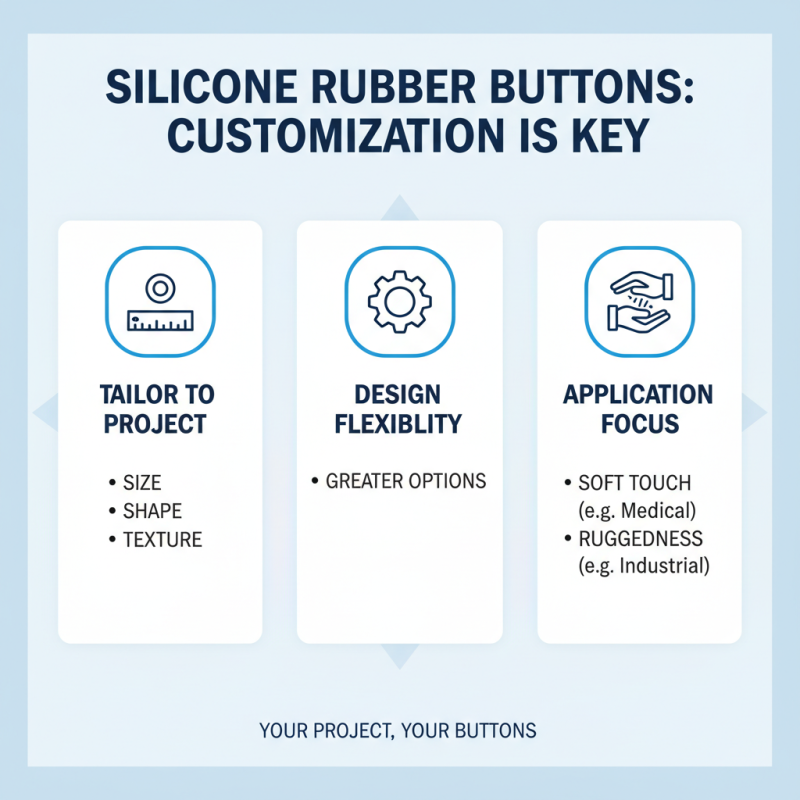
When choosing silicone rubber buttons, customizability is key. You can tailor the size, shape, and texture to suit your project. These options allow for greater flexibility in design. Think about how the buttons will be used. A soft touch might be needed for certain applications, while ruggedness may be essential for others.
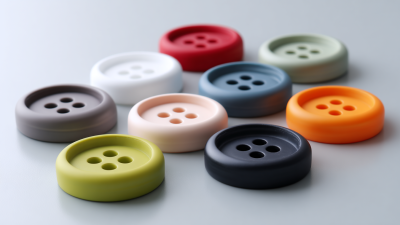
Color choices also matter a lot. Bright colors can attract attention. Subtle shades might work better for professional settings. You might even consider adding logos or branding elements. This adds another layer of customization. The options often seem endless, yet they can lead to confusion.
However, not all custom features are easy to implement. Some designs may not be practical. Ensure that your chosen features do not compromise functionality. Test prototypes to identify any flaws. Mistakes in design can lead to setbacks, but they also provide valuable lessons for future projects. Balancing customizability with usability is crucial in the selection process.
Applications of Silicone Rubber Buttons Across Various Industries
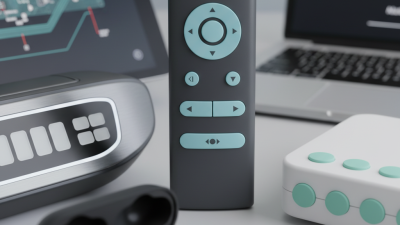
Silicone rubber buttons are widely used across various industries due to their versatility and durability. In the electronics sector, they serve as critical components in remote controls and mobile devices. Their tactile feedback enhances user experience, making them ideal for compact interfaces. The non-slip surface allows for easy operation, even in challenging environments.
In the automotive industry, silicone buttons can withstand extreme temperatures and mechanical stress. They are commonly found in dashboard controls and infotainment systems. However, the choice of materials must be carefully considered to ensure longevity. In some cases, buttons may degrade faster than expected, leading to functional issues.
Medical devices also benefit from silicone rubber buttons. They can be sterilized, ensuring safety in clinical settings. Yet, the design must allow for easy cleaning while maintaining a reliable connection. Some products have faced critiques for not meeting user needs, highlighting the importance of user testing and feedback in the design process.