Why Choose Bracket Rubber for Your Industrial Applications?
In today's competitive industrial landscape, the choice of materials can significantly impact operations. Experts, like John Smith from Rubber Solutions, emphasize, "Bracket Rubber is essential for durability and flexibility in tough environments." This highlights the material's importance in many applications.
Bracket Rubber provides unique benefits that enhance productivity. Its resilience against wear and tear makes it ideal for machinery and equipment. Industries require materials that can withstand harsh conditions while maintaining performance. Bracket Rubber meets these demands.
However, not all users understand the full potential of Bracket Rubber. Some overlook its benefits, leading to suboptimal choices. This gap in knowledge can hinder progress. Investing in quality materials, like Bracket Rubber, is vital for achieving long-term success. Awareness and education around these products are crucial for industries aiming to improve efficiency and reliability in their operations.
Benefits of Using Bracket Rubber in Industrial Applications
Bracket rubber is an essential choice for many industrial applications. Its unique properties provide specific advantages that improve operational efficiency. This material is known for its durability and resistance to wear and tear. It can withstand harsh environmental conditions and heavy loads, ensuring longevity.
Using bracket rubber can enhance vibration dampening in machinery. This feature reduces noise levels and protects sensitive equipment from damage. Additionally, it helps maintain a stable working environment. Manufacturers find that incorporating bracket rubber minimizes maintenance costs over time. It's a worthwhile investment for any industrial facility.
Tips: Always verify compatibility with your equipment before use. Conduct regular inspections to ensure optimal performance. If the rubber shows signs of wear, replace it promptly. Implementing these practices can lead to better outcomes in the long run.
Key Properties of Bracket Rubber for Durability and Flexibility
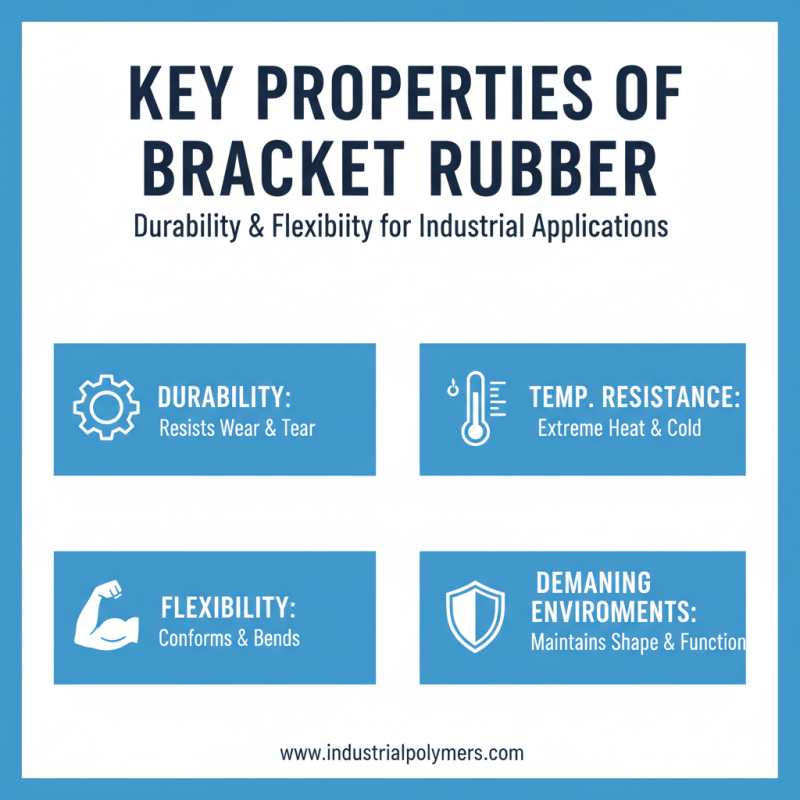
Bracket rubber is an excellent material for various industrial applications. Its key properties include durability and flexibility. These characteristics make it suitable for demanding environments. The ability to withstand temperature fluctuations adds to its appeal. Whether exposed to extreme heat or cold, bracket rubber maintains its shape and function.
Flexibility is another important aspect. This material can easily adapt to various shapes and sizes. It reduces stress on machinery and components, prolonging their life. However, flexibility can also lead to challenges. Proper sizing and installation are crucial to ensure optimal performance. Misalignment may cause wear over time.
Durability is not just a buzzword. It reflects the resilience of bracket rubber under pressure. It resists tearing, abrasion, and chemicals. Yet, not all formulations are created equal. Some may fail under specific conditions. Users should test and validate performance in their exact applications. Making informed choices is vital.
Applications of Bracket Rubber Across Various Industries
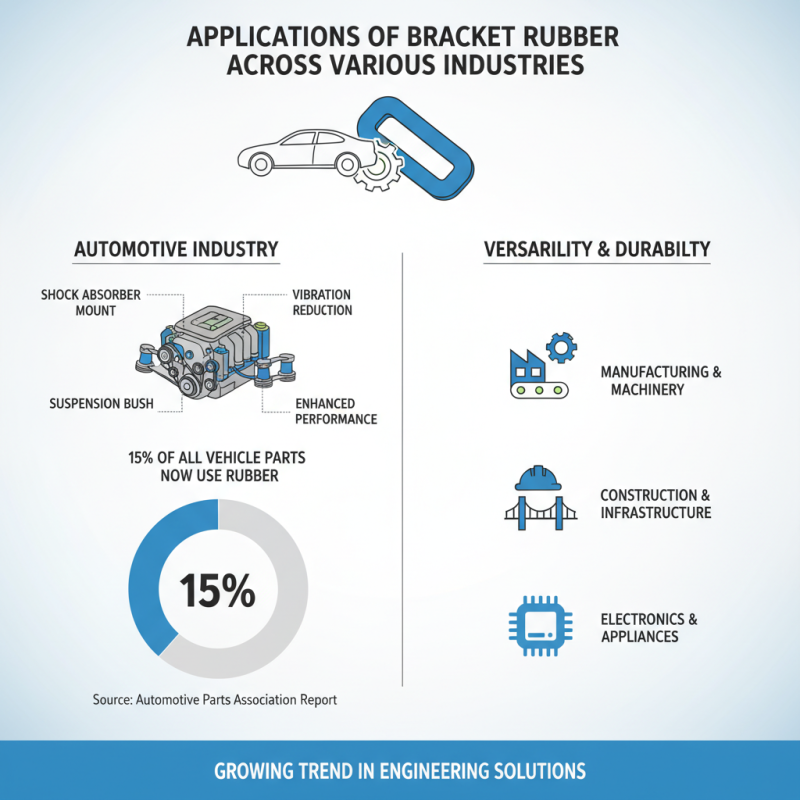
Bracket rubber is widely used across various industries due to its versatility and durability. In automotive applications, it acts as a cushioning material. It reduces vibrations between metal components. According to a recent report by the Automotive Parts Association, around 15% of all vehicle parts now utilize some form of rubber to enhance performance. This statistic reflects a growing trend toward rubber solutions in engineering.
In construction, bracket rubber serves crucial roles. It is commonly employed in seismic isolation systems. These systems help buildings withstand shocks during earthquakes. The Rubber Manufacturers Association noted that using rubber in these applications can reduce building damage by up to 40%. These impressive figures show the potential of bracket rubber in enhancing safety.
However, challenges remain. The quality of materials can vary significantly. Some batches may not meet industry standards. This inconsistency can lead to failures in critical applications. Additionally, with environmental concerns rising, there is pressure to find sustainable alternatives. Industries must continuously adapt, weighing the benefits of bracket rubber against evolving demands.
Cost-Effectiveness and Longevity of Bracket Rubber Solutions
When it comes to industrial applications, the choice of materials can significantly impact efficiency. Bracket rubber is gaining attention due to its unique properties. This material offers an ideal balance between cost and durability. Its initial investment may seem high, yet the long-term savings can be substantial.
Consider its longevity. Bracket rubber withstands harsh environments much better than many alternatives. It resists wear and tear, reducing the need for frequent replacements. This quality saves both time and money. Facilities can run smoothly without interruptions caused by material failure.
However, not all bracket rubber options are created equal. Some might not perform in specific applications. It's essential to evaluate the operating conditions thoroughly. Understanding these details influences the effectiveness of the rubber chosen. Users must reflect on their needs and challenges. The right selection can lead to significant operational advancements.
Why Choose Bracket Rubber for Your Industrial Applications? - Cost-Effectiveness and Longevity of Bracket Rubber Solutions
| Feature |
Benefit |
Durability (Years) |
Cost Savings (%) |
| Resilience |
Withstands heavy loads and impacts |
10-15 |
20% |
| Temperature Resistance |
Operates effectively in extreme temperatures |
10-20 |
25% |
| Chemical Resistance |
Effective against various industrial chemicals |
10-12 |
30% |
| Ease of Installation |
Simplifies setup and maintenance |
N/A |
15% |
| Cost Efficiency |
Lower total cost of ownership |
N/A |
40% |
Comparison of Bracket Rubber with Alternative Materials in Industry
When comparing bracket rubber with alternative materials, several aspects stand out. Bracket rubber is often more resilient than metals and plastics. It offers enhanced durability under stress. According to a 2022 industry report, materials like thermoplastics often fail under extreme temperatures. Meanwhile, bracket rubber maintains its integrity across a broader temperature range, making it suitable for varied industrial environments.
A comparative study revealed that bracket rubber can absorb vibrations better than some alternatives. This quality improves machinery lifespan. While metals may provide strength, they often transfer vibrations that can lead to damage. Additionally, multiple data sources indicate that bracket rubber has a lower environmental impact compared to synthetic materials. In fact, around 40% less energy is required to process bracket rubber, leading to a smaller carbon footprint.
However, it's crucial to address some flaws. Not every grade of bracket rubber performs equally under all conditions. Some types may become brittle over time, especially when exposed to harsh chemicals. Industries must evaluate their specific needs carefully. Balancing cost and performance remains a challenge. Continuous research is essential for improving the material's longevity and adaptability.