How to Choose the Best Rubber Edge Protector for Your Needs?
Choosing the right Rubber Edge Protector can be crucial for safety and functionality. Many people overlook its importance. However, the right protector can prevent injuries and damage. It's essential to understand your specific needs before making a choice.
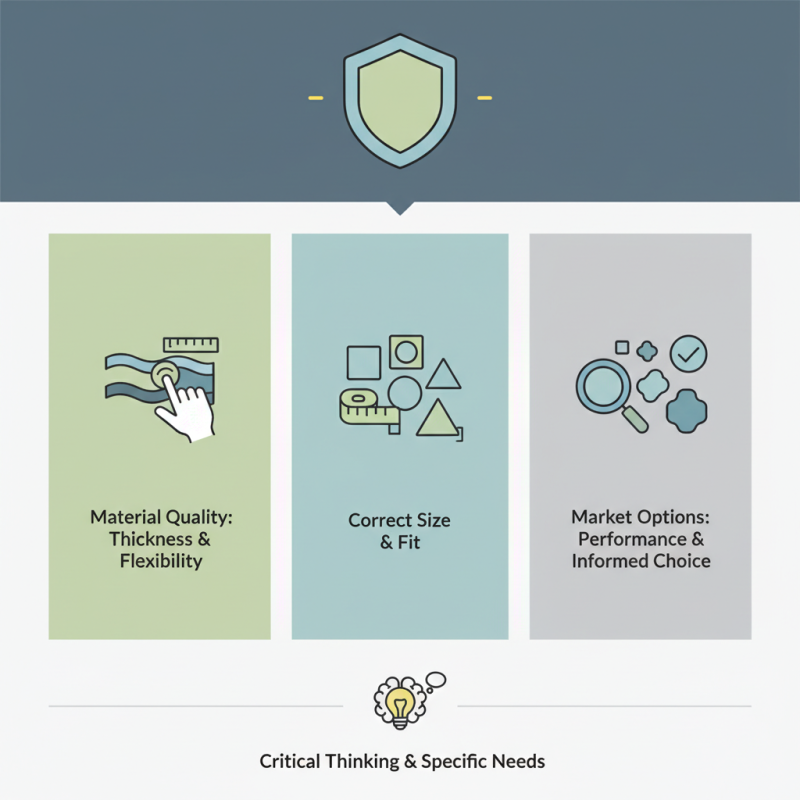
When selecting a Rubber Edge Protector, consider the material quality. The thickness and flexibility of the rubber matter. A high-quality protector lasts longer and provides better coverage. The right size is important too. If it doesn’t fit, it won’t work effectively.
You may also find many options on the market. Some look great but don't perform well. It's frustrating when a product doesn't meet expectations. Thinking critically about your choices is vital. Reflect on what you truly need, and make an informed decision.
Understanding the Importance of Rubber Edge Protectors in Various Applications
Rubber edge protectors play a crucial role in various applications. They are designed to guard against wear and tear, providing safety and longevity for edges. In workplaces and homes, these protectors can prevent injuries caused by sharp edges. They also reduce the risk of damaging furniture and equipment. By absorbing impacts, rubber edge protectors create a safer environment for everyone.
When selecting rubber edge protectors, consider their material and thickness. Choose a protector that suits the specific edge and application type. A thicker protector offers more cushioning. It’s important to align the protector perfectly for maximum effectiveness. Misalignment can lead to ineffective protection and potential hazards.
Here are some tips to keep in mind. Measure the edges accurately before purchasing. This ensures a snug fit. Installation should be secure; loose protectors may come off easily. Also, check the durability; some materials may degrade faster than others. Regular inspection for wear is essential. It helps maintain safety in the long run. Selecting the right protector can significantly enhance safety and reduce maintenance costs.
Identifying Your Specific Needs for Rubber Edge Protectors
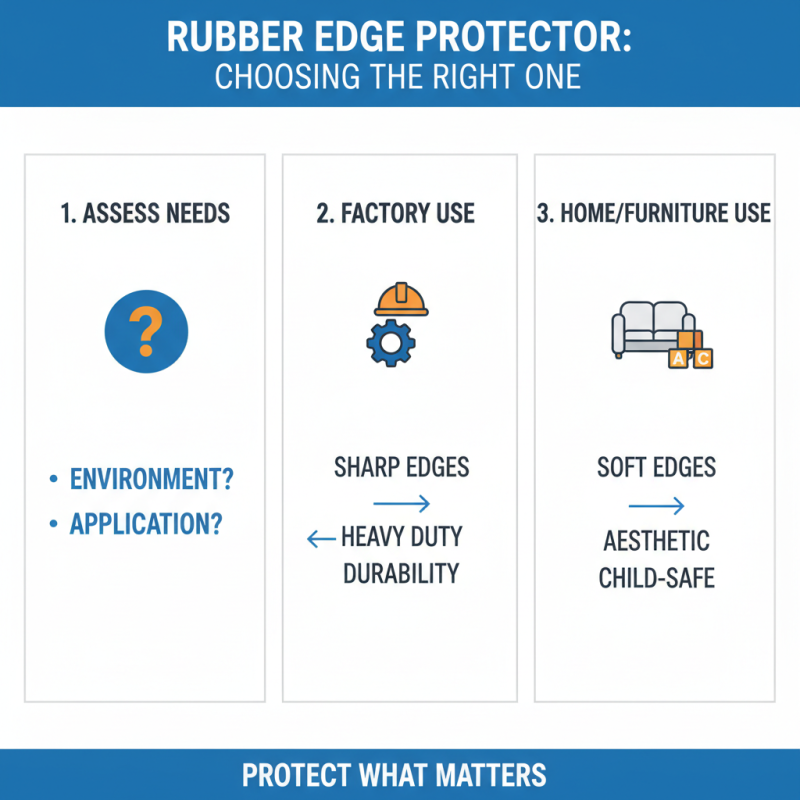
When choosing a rubber edge protector, understanding your specific needs is crucial. Consider the environment where it will be used. Are you protecting sharp edges in a factory? Or maybe on a piece of furniture? The application can greatly influence your choice.
For instance, studies indicate that nearly 25% of workplace injuries involve sharp edges. This data stresses the importance of having effective protectors in place. Think about the materials of the edge protectors. Different materials offer different levels of impact absorption. Rubber is favored for its resilience and flexibility. It can withstand wear and tear in high-traffic areas.
Additionally, the size and shape matter. Some protectors might not fit all edge types perfectly. A too-small protector won’t cover the edge adequately. Conversely, a larger one can be cumbersome. Take the time to measure edges accurately. This attention to detail can prevent issues later. Don't overlook the color and visibility either. Bright colors can enhance safety. They make the edges stand out, causing fewer accidents.
Key Features to Consider When Selecting Rubber Edge Protectors
When selecting rubber edge protectors, consider the material quality. High-quality rubber offers durability and flexibility. Look for protectors that resist wear and tear. A soft, yet sturdy rubber can absorb impacts better. This is crucial for safety in high-traffic areas. The right material can minimize damage to surfaces and prevent injuries.
Next, think about the size and shape. Edge protectors come in various sizes. Measure the edges to ensure a perfect fit. Some have adhesive backings, while others need manual installation. Both options have pros and cons. Adhesive protectors are easy to apply but may wear out quicker. Manual options can be robust, but installation takes longer.
Before making a choice, assess the environment. Will it be indoors or outdoors? Outdoor protectors should withstand weather elements. Check if they resist UV damage and extreme temperatures. For indoor use, moisture resistance may be important. Each setting requires specific features to ensure functionality. Don't overlook these details, as they significantly impact performance.
Comparing Different Types of Rubber Edge Protectors Available
When selecting the best rubber edge protector, it’s essential to compare various types available in the market. Common options include
foam,
solid rubber, and
PVC edge protectors. Each type offers unique benefits suited to different applications.
Foam protectors are lightweight but may not withstand heavy impacts. Solid rubber options tend to be more durable but can be bulkier. PVC offers flexibility and decent protection, making it a popular choice.
Tips: Always consider the environment where the protector will be used. For areas with heavy traffic,
solid rubber is better. In contrast, foam can be ideal for homes. Check the dimensions to ensure a snug fit on your edges.
Additionally, think about installation ease. Some protectors come with adhesive backing, making them easy to apply. Others might require additional tools. Measure your edges accurately for the best fit. Remember that the right protector should not only serve its purpose but also complement the area’s aesthetics. Balancing protection and appearance can be tricky but essential.
Tips for Proper Installation and Maintenance of Rubber Edge Protectors
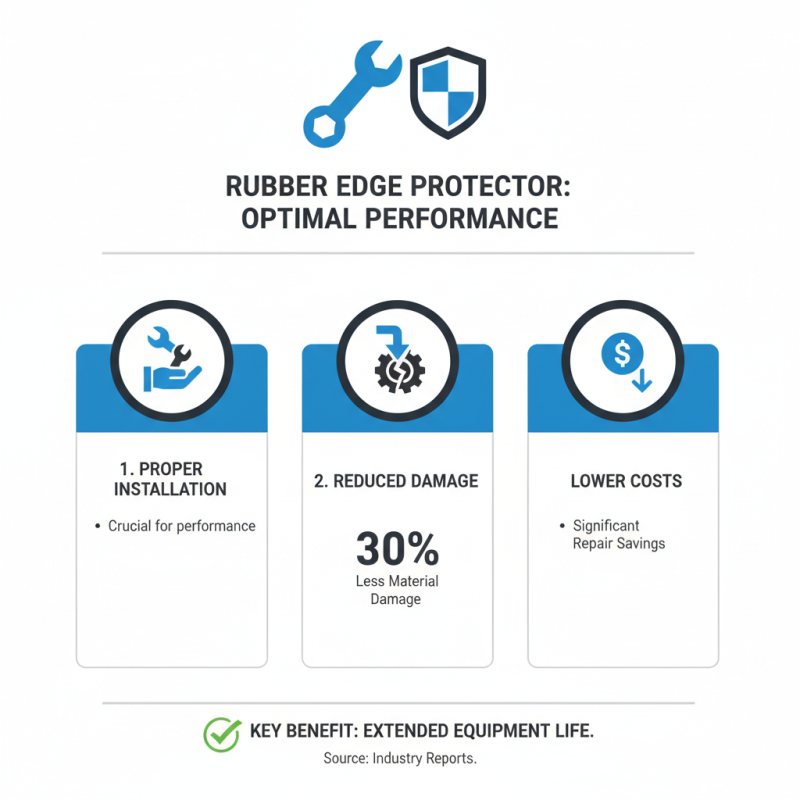
When selecting a rubber edge protector, proper installation and maintenance are crucial for optimal performance. According to industry reports, properly installed protectors can reduce material damage by up to 30%. This reduction can significantly lower repair costs, making it essential to install them correctly.
Begin installation by thoroughly cleaning the surface. Dirt and debris can prevent proper adhesion. Apply the protector firmly, ensuring it fits snugly along the edges. If possible, use adhesive for better longevity. It’s critical to check for any gaps, as these can lead to wear and tear over time. Regularly inspect the edges to ensure they remain intact.
Maintenance is straightforward yet vital. Clean the edge protectors periodically with mild detergents. Avoid harsh chemicals that can degrade the rubber material. Remember, neglect can lead to unnecessary replacements. Stay proactive in checking for any signs of wear, such as cracks or discoloration. Addressing these issues early can save time and money in the long run.