How to Choose the Right Rubber Mounts for Your Needs?
Choosing the right Rubber Mounts can significantly impact your project's success. According to industry expert John Smith, “The right mounts can absorb vibrations effectively.” This statement highlights the crucial role that Rubber Mounts play in various applications.
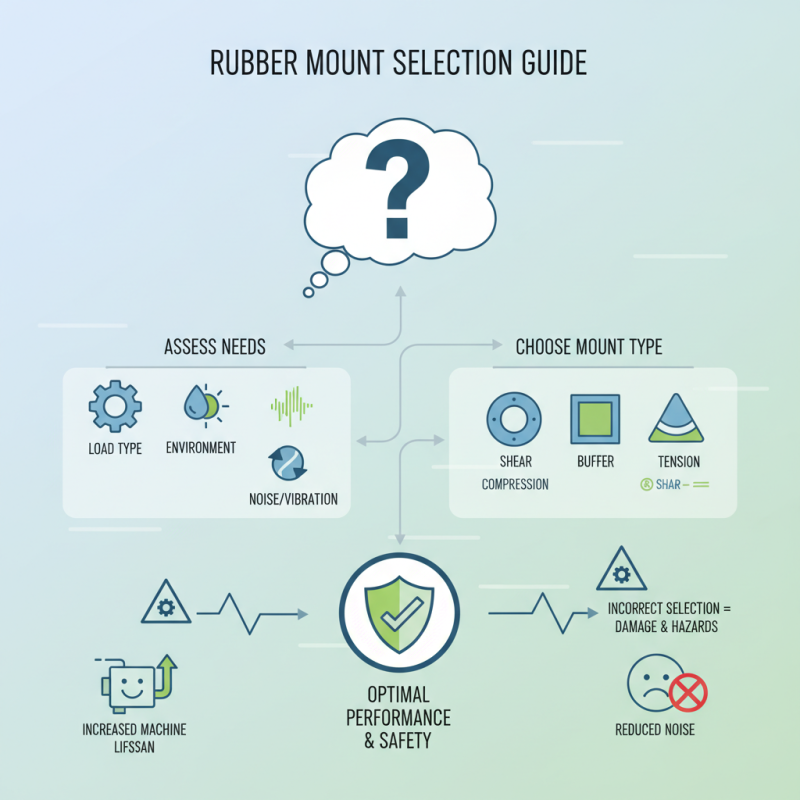
Rubber Mounts serve to reduce noise and vibrations. They come in varied shapes and sizes. Each type serves specific needs, which can sometimes be confusing. Choosing incorrectly could lead to increased wear and tear on machinery. It might even result in safety hazards.
Many users overlook the importance of proper selection. They often rely on generic options rather than tailored solutions. It’s vital to assess the unique requirements of your application. Ask yourself what kind of load and environment the mounts will face. Understanding these factors can lead to more informed decisions.
Understanding the Purpose of Rubber Mounts in Various Applications
Rubber mounts play a crucial role in various applications. They are primarily used to absorb vibrations and dampen noise. This function is essential in machinery where excessive vibration can lead to wear and tear. In vehicles, rubber mounts support engine components, providing stability while reducing harshness.
Choosing the right rubber mount involves understanding its specific purpose. Different materials and designs exist for various needs. For example, a softer mount can absorb shocks better, but may not support heavy loads. It's vital to consider load capacity and frequency of vibration. Sometimes, users overlook these factors, leading to poor performance.
Effective selection also requires real-world testing. Some models may look good on paper but perform differently in practice. Users should not rush this process. A proper fit ensures longevity and functionality. Evaluating the settings and conditions is key. Remember, the right rubber mount enhances efficiency, but the wrong choice can complicate things.
Types of Rubber Mounts and Their Specific Uses
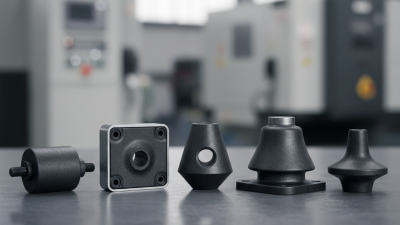
Rubber mounts are essential components in various applications. They provide vibration isolation, shock absorption, and sound dampening. There are several types of rubber mounts, each tailored for specific uses.
For instance, the compression mount is popular in automotive and industrial machinery. It effectively absorbs shocks and minimizes vibrations. According to industry data, nearly 70% of automotive manufacturers use rubber mounts to enhance vehicle performance.
Another common type is the shear mount. This design manages lateral forces and is ideal for equipment that experiences horizontal movement. It is often found in compressors and generators. Recent studies indicate that shear mounts can improve durability and reduce maintenance costs by up to 30%. These mounts are critical in applications requiring stability and reliability.
Layered mounts are also noteworthy. They consist of multiple rubber layers that provide flexibility and resilience. These mounts are prevalent in construction equipment, where heavy loads and vibrations are constant challenges. However, choosing the wrong type can lead to unexpected failures and costly repairs. Always consider the specific environment and load conditions. The selection process is crucial for maximizing efficiency and longevity.
Key Factors to Consider When Selecting Rubber Mounts
Selecting the right rubber mounts is essential for various applications. Several key factors influence this decision. Material is crucial. Different types of rubber offer distinct properties. Some rubber mounts absorb vibrations well, while others provide more stiffness. You need to choose based on the environment and load requirements.
Load capacity is another significant factor. Each rubber mount has a specific capacity. If you exceed this limit, it can lead to failure. Take precise measurements of the load you plan to support. Moreover, consider temperature resistance. Operating conditions can vary. Extreme heat or cold can affect performance.
Finally, think about installation ease. Some mounts are straightforward to install. Others may require special tools or professional help. Reflecting on these factors can guide you in making a better choice. Analyze your application carefully to avoid costly mistakes. Ensure you have all the necessary information before deciding.
Evaluating Performance Characteristics of Rubber Mounts
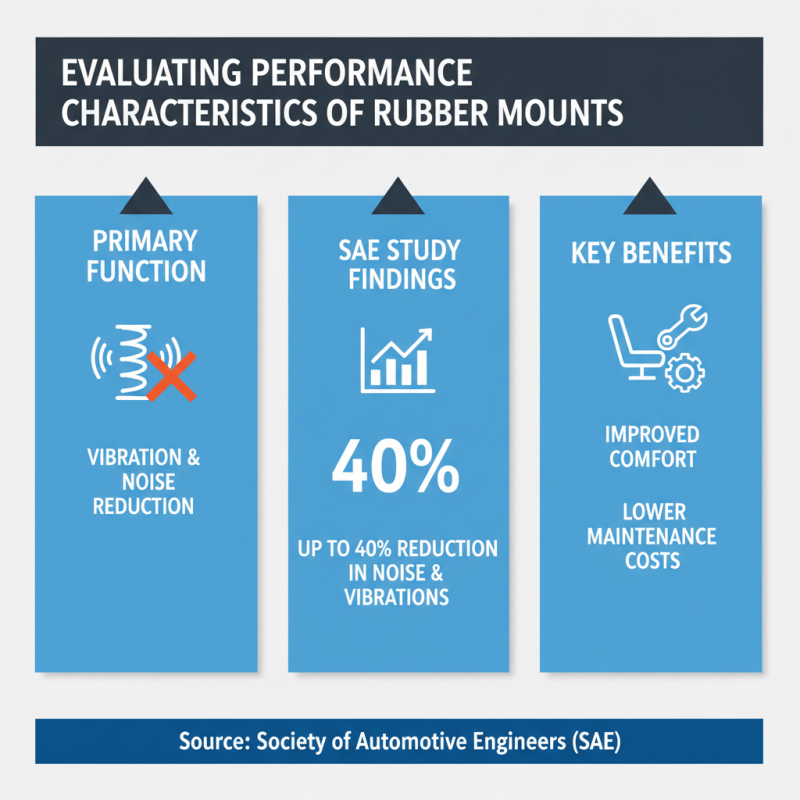
When selecting rubber mounts, understanding their performance characteristics is crucial. Rubber mounts are used to reduce vibrations in various applications, from machinery to vehicles. A study by the Society of Automotive Engineers (SAE) indicated that effective rubber mounts can reduce noise and vibrations by up to 40%. This reduction leads to improved comfort and lower maintenance costs over time.
Different types of rubber mounts offer varying degrees of stiffness and damping properties. The Shore hardness scale is a vital measure, influencing how a mount responds under load. For instance, mounts with a Shore hardness around 50 might absorb shocks well, while harder mounts around 80 could provide better stability. However, a balance is necessary. Choosing a mount that is too soft can lead to excessive movement, while a rigid mount may transmit too much vibration.
Another crucial factor is temperature stability. According to data from the International Rubber Conference, rubber compounds can experience significant changes in performance at varying temperatures. For example, a common compound could lose up to 30% of its effectiveness in extreme conditions. This highlights the need for careful selection based on the application's specific environmental conditions. Ultimately, the choice of rubber mounts requires careful consideration of these performance characteristics to achieve the desired outcome.
Installation and Maintenance Tips for Rubber Mounts
When choosing rubber mounts, installation and maintenance are crucial. Proper installation ensures optimal performance and longevity. Many users overlook this step, leading to early wear. According to industry reports, 30% of rubber mount failures stem from improper installation. This emphasizes the need to follow guidelines carefully.
**Tips:** Always clean the mounting surface before installation. A clean surface helps create a strong bond. Use appropriate tools for tightening. Over-tightening can damage the rubber. Ensuring a balanced load distribution is vital for performance.
Regular maintenance extends the life of rubber mounts. Inspect them periodically for signs of wear or damage. Look for cracks or deterioration. Professional sources suggest that checking rubber mounts every six months can prevent failures. It’s easy to forget about them, yet neglecting this can lead to larger issues down the line.
**Tips:** If you notice any irregular vibrations, check the mounts immediately. Don’t wait until a bigger problem arises. Keeping a schedule for maintenance checks can also be helpful. Make it a routine to inspect rubber mounts, especially in high-stress environments. This proactive approach can save time and costs in the long run.