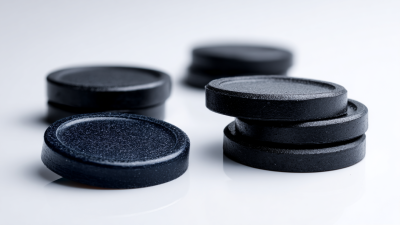
How to Choose the Right Rubber Push Button Cover for Your Needs
When selecting the appropriate Rubber Push Button Cover for your specific applications, it is crucial to consider both functionality and durability. According to a recent industry report by MarketsandMarkets, the global rubber products market is projected to reach $31.68 billion by 2027, driven in part by the increasing demand for protective components in various industries, including automotive, electronics, and consumer goods. This highlights the importance of choosing the right materials that can withstand environmental stress while providing reliable operation.
Industry expert Dr. Helen Carter, a leading authority in elastomer technology, emphasizes the significance of proper selection: "A well-chosen Rubber Push Button Cover not only enhances the longevity of your devices but also improves user experience by ensuring operational integrity." Thus, understanding the nuances of material properties, such as temperature resistance, oil and chemical compatibility, and mechanical strength, is essential for making an informed choice. By prioritizing these factors, you can ensure that your Rubber Push Button Cover meets both your practical needs and industry standards.
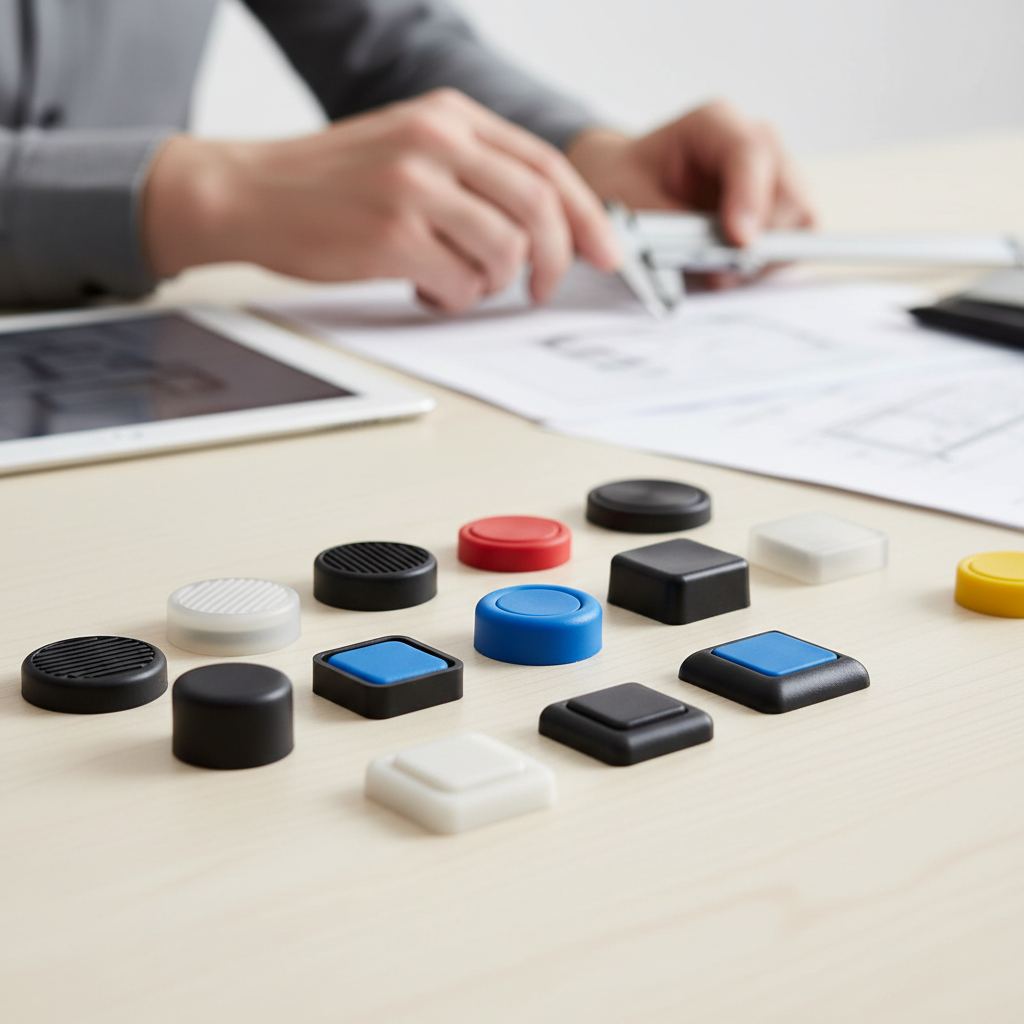
Factors to Consider When Selecting a Rubber Push Button Cover
When selecting a rubber push button cover, several factors come into play that can greatly influence your decision.
First and foremost, consider the size and shape of the button you need to cover. It is essential to choose a cover that matches
the dimensions of the button to ensure a snug fit, preventing dirt and moisture from entering. Additionally, pay attention to the thickness and flexibility of the rubber, as
these characteristics impact the cover's effectiveness and longevity.
Another important factor to consider is the environment in which the push button will be used. If the button will be exposed to
harsh conditions, such as extreme temperatures or chemicals, opt for a rubber cover that offers enhanced durability and resistance.
Look for materials like silicone or EPDM, which can withstand various environmental factors.
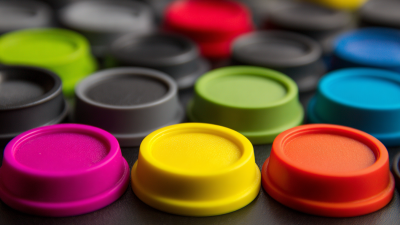
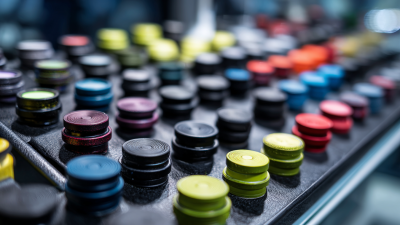
Finally, think about the design and color of the cover, especially if aesthetics matter for your application.
A well-chosen rubber push button cover not only protects your equipment but also complements its overall look.
Understanding Different Types of Rubber Materials Available
When selecting the right rubber push button cover, understanding the various types of rubber materials available is crucial. Common types of rubber used in these covers include natural rubber, silicone, and polyurethane. According to a report by Grand View Research, the global silicone rubber market size was valued at USD 1.54 billion in 2020 and is expected to grow significantly, driven by its superior elasticity and temperature resistance, making it an ideal choice for push button covers subject to varying environmental conditions.
Natural rubber, known for its excellent tensile strength and durability, is often favored in applications where flexibility and resilience are paramount. However, it may not perform well in extreme temperatures. A study by Research and Markets highlights that the demand for synthetic rubber, particularly polyurethane, is increasing, projected to reach USD 12.7 billion by 2027. Polyurethane's versatile properties make it suitable for high-performance applications, as it offers outstanding abrasion resistance and can sustain heavy usage without degrading. Understanding these material properties not only aids in the longevity of push button covers but also ensures that they meet specific performance requirements across diverse industries.
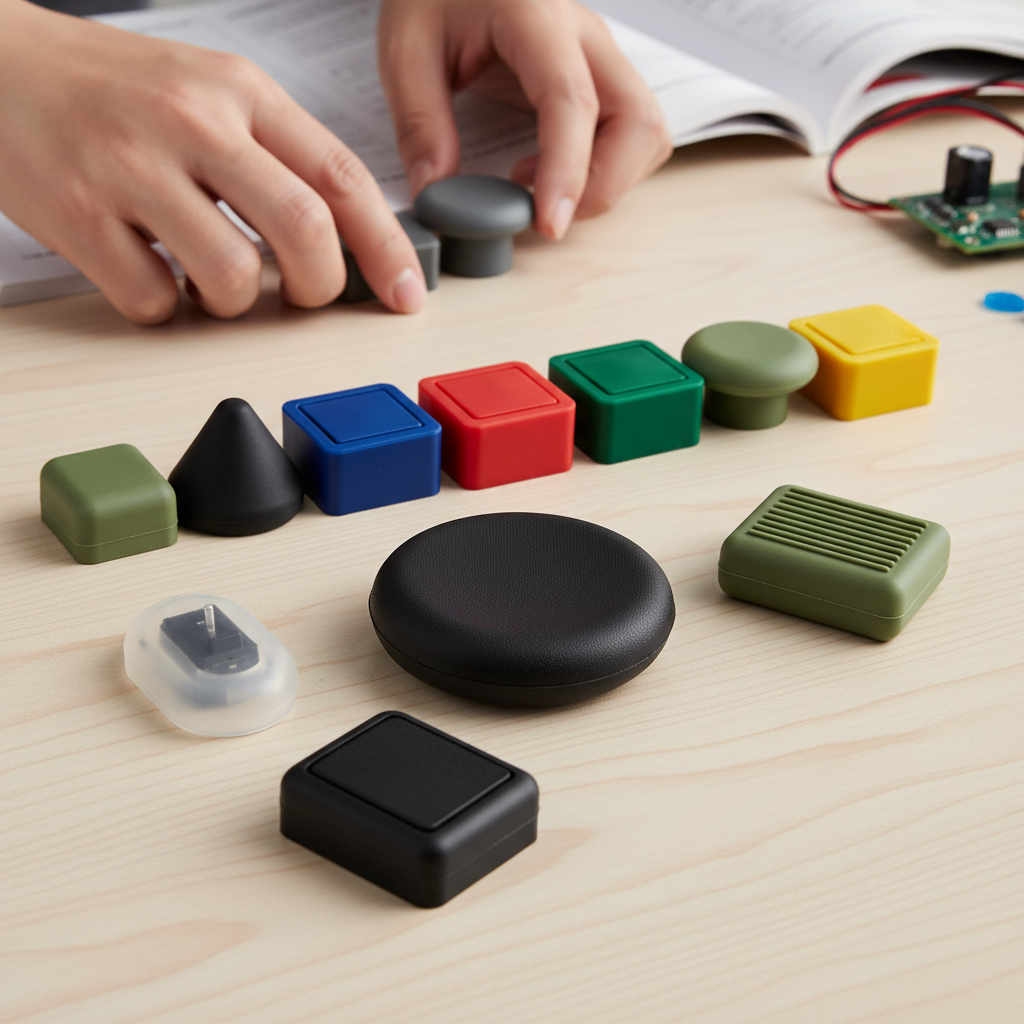
Matching Push Button Covers with Equipment Specifications
When selecting the right rubber push button cover, it's crucial to align the product with the specific equipment specifications you are working with. Various industries that incorporate push buttons, such as automotive, consumer electronics, and industrial machinery, have different requirements based on environmental factors and usage frequency. A recent report highlights that nearly 60% of equipment failures can be attributed to inadequate protective measures. Therefore, identifying the correct resilience and thickness of the rubber cover is essential for optimal function and longevity.
Additionally, understanding the operational context of your equipment will further enhance your decision-making process. For example, push button covers designed for outdoor use must feature weather-resistant materials, while those used in manufacturing settings may require increased durability to withstand heavy usage and abrasive conditions. According to industry studies, equipment operating in high-vibration environments can deteriorate buttons at twice the rate of those in stable settings. By examining these specifications, you can choose a rubber push button cover that not only protects but also enhances the performance of your devices.
How to Choose the Right Rubber Push Button Cover for Your Needs - Matching Push Button Covers with Equipment Specifications
| Push Button Cover Type |
Material |
Diameter (mm) |
Temperature Resistance (°C) |
IP Rating |
| Flat Rubber Cover |
Silicone |
30 |
-40 to 200 |
IP65 |
| Round Rubber Cover |
Rubber |
25 |
-10 to 100 |
IP67 |
| Dome Rubber Cover |
EPDM |
28 |
-30 to 150 |
IP68 |
| Square Rubber Cover |
Nitrile |
32 |
-20 to 120 |
IP54 |
Evaluating Size and Design for Optimal Usability
When selecting the right rubber push button cover, size and design play a crucial role in ensuring optimal usability. Industry reports indicate that approximately 30% of user interface issues stem from improper sizing of buttons and covers, leading to decreased operational efficiency. Therefore, analyzing the dimensions of the existing buttons on your devices is essential. A well-fitted cover not only enhances the tactile experience but also protects the buttons from dust and moisture, significantly prolonging their lifespan. Using tools like calipers can provide accurate measurements to inform your decisions.
In terms of design, the aesthetic appeal should not be overlooked. A study by the Design Management Institute revealed that companies which prioritize good design experience a 219% increase in revenue over a ten-year period. Ergonomic designs that cater to user comfort and interaction can enhance usability, especially in environments demanding high-frequency button use. Opt for covers that offer textured surfaces for grip, ensuring that users can operate the buttons efficiently, even in challenging conditions. By thoughtfully evaluating size and design, you can make informed choices that enhance both functionality and user satisfaction.
Cost-Effectiveness: Budgeting for Quality Rubber Covers
When selecting rubber push button covers, budget considerations play a crucial role in achieving cost-effectiveness without sacrificing quality. It’s essential to assess the overall value of the covers rather than focusing solely on the initial purchase price. Investing in higher-quality materials may involve a larger upfront cost, but they often yield longer-lasting performance, reducing the need for frequent replacements and repairs. This approach ensures that businesses and individuals can maintain functionality while keeping long-term expenses in check.
Additionally, it is important to evaluate the specific requirements of your application. Understanding the environmental conditions, frequency of use, and the required durability can help you select a cover that aligns with your operational needs. Sometimes, opting for a mid-range option that balances quality and price can lead to unexpected savings over time. By carefully evaluating these factors, you can make informed decisions that enhance both performance and budget constraints, ultimately leading to a more satisfactory investment in rubber push button covers.