10 Effective Tips for Choosing the Best Rubber Edge Protector?
When it comes to safeguarding surfaces, a Rubber Edge Protector is an essential tool. This simple yet effective solution provides the needed cushion for sharp corners and edges. Whether in homes, offices, or industrial settings, choosing the right protector can prevent damage and injuries.
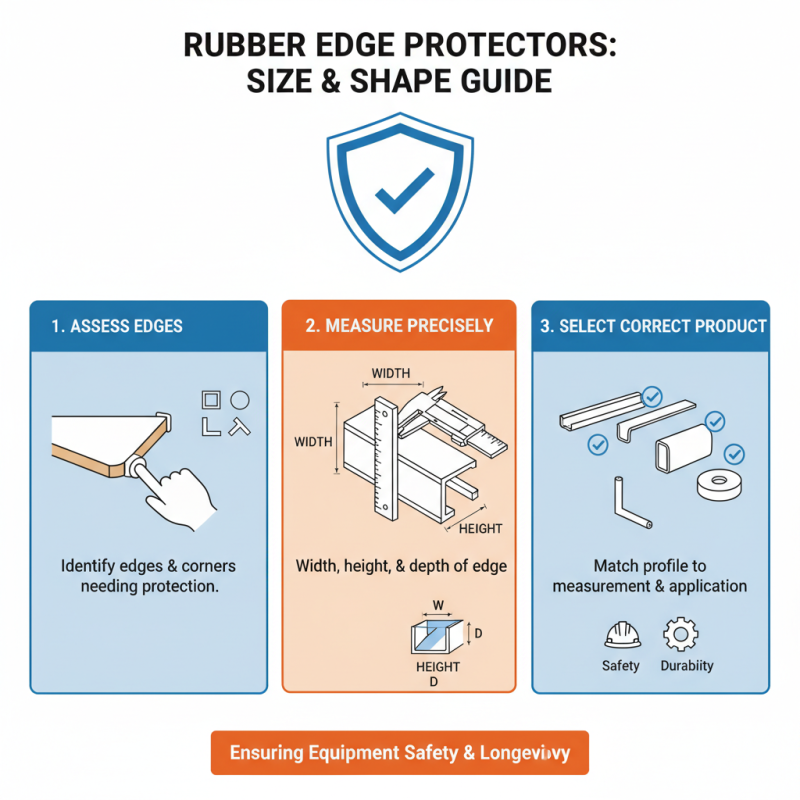
But selecting the best Rubber Edge Protector isn't always straightforward. There are many factors that need consideration—size, material quality, and ease of installation. Each of these aspects can significantly impact its effectiveness. For instance, a protector that is too thick might not fit where you need it, while one that is too thin may not offer adequate protection.
Understanding your specific needs will guide you in making the right choice. Most importantly, reflect on your environment. Are you working with heavy machinery, or is it a child-friendly home? These details matter. The goal is not just to select any Rubber Edge Protector, but one that truly meets your requirements. This journey of selection can sometimes be frustrating, yet the right information can lead to a successful outcome.
Understanding the Importance of Rubber Edge Protectors
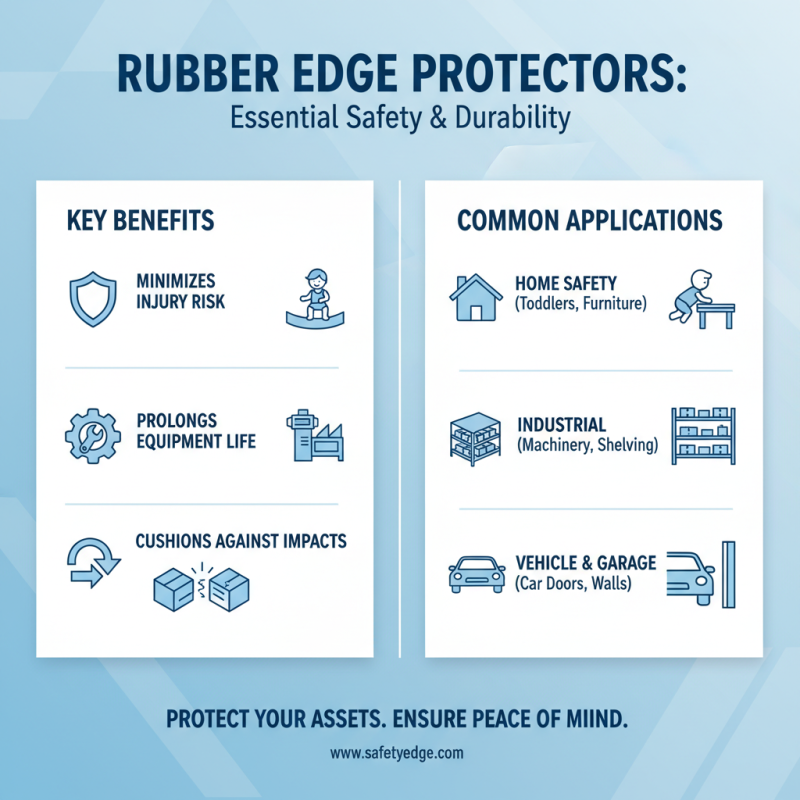
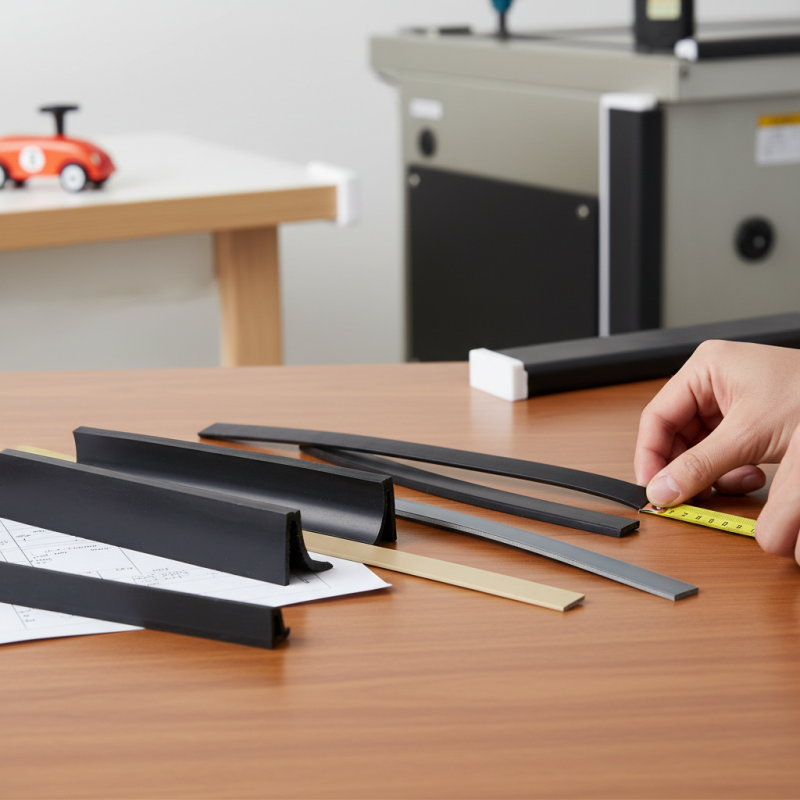
Rubber edge protectors play a crucial role in many settings. They are essential for ensuring safety and prolonging the lifespan of furniture and fixtures. These protective strips offer a buffer against sharp edges, minimizing the risk of injury. In homes, they can prevent toddlers from accidental bumps. In warehouses, they safeguard machinery and shelving units from damage.
Choosing the right rubber edge protector involves thoughtful consideration. The material must be durable and flexible, able to withstand various impacts. The right size is critical. A protector that's too small won't provide adequate coverage, while one that's too large may look unappealing. Many people often overlook the aesthetics of these products. A mismatched color can detract from the overall design of a room. It’s also worth noting that installation may not always be straightforward. Misaligned protectors can lead to gaps or premature wear.
Without proper attention, rubber edge protectors can become ineffective. Regular checks and replacements are necessary. Environmental factors like temperature and humidity may also affect their performance. Therefore, selecting a quality product, and maintaining it properly, is paramount to achieving their intended purpose.
Material Considerations: Types of Rubber and Their Benefits
When selecting a rubber edge protector, material choice is crucial. Different types of rubber offer unique benefits that can impact performance and durability. For example, natural rubber provides excellent elasticity. This flexibility helps absorb impacts effectively. It can withstand wear but may degrade under UV light. Keeping this in mind is important for outdoor use.
Synthetic rubber, on the other hand, comes in various forms. Neoprene, for instance, resists oils and chemicals. This makes it suitable for industrial environments. EPDM rubber is another option, favored for its weather resistance. It performs well in extreme temperatures. However, cost and availability can pose challenges. Finding the right balance is essential.
Consideration of these materials leads to better choices. The environment where the protector will be used should guide decisions. It’s crucial to weigh the pros and cons. Selecting a less appropriate type could result in damage. Thus, understanding the specifics can lead to a more informed, effective purchase.
Evaluating Durability and Weather Resistance Features
When selecting a rubber edge protector, durability and weather resistance are key features. Many consumers overlook these aspects. A recent industry report highlighted that over 30% of rubber products fail due to poor resistance to environmental factors. This statistic shows the importance of choosing wisely.
Look for edge protectors that are made with high-quality rubber compounds. They should resist tearing and UV damage. Ideally, they should withstand temperature changes without losing flexibility. For instance, products tested under extreme temperatures showed a 40% increase in lifespan compared to lower-quality alternatives.
Consider the thickness of the edge protector as well. Thicker materials often provide better protection. While it may be tempting to save costs, investing in a quality product pays off. A reliable edge protector can prevent accidents, saving on potential repair costs. Check supplier certifications and test results to ensure you are making an informed choice. Remember, the right edge protector is not just about keeping edges safe; it's about extending the life of your products and ensuring safety.
Cost vs. Quality: Making an Informed Purchase Decision
When considering rubber edge protectors, the balance between cost and quality is crucial. You may find cheap options alluring, but they often lack durability. A low-cost rubber edge protector may fray or crack quickly, leading to more expenses down the line. Investing a bit more initially can save you headaches later.
It's essential to analyze the materials used. Higher-quality rubber tends to be more resilient and shock-absorbent. This can minimize damage during impacts. However, some products labeled as premium may not justify their price tags. You should question their features carefully. Does the product offer good adhesion? Is it weather-resistant?
Taking time to research materials pays off. Look for user reviews and feedback. Real-world experiences matter. Sometimes a well-priced item performs better than a high-end alternative. Don't be swayed by flashy marketing. Make informed choices based on actual performance, not just price.
10 Effective Tips for Choosing the Best Rubber Edge Protector
| Tip |
Consideration |
Cost |
Quality |
| 1. Identify Your Needs |
Usage environment and purpose |
Low |
Variable |
| 2. Material Type |
PVC, silicone, or rubber |
Medium |
High |
| 3. Size Specification |
Length, width, and thickness |
Variable |
Medium |
| 4. Adhesive Quality |
Strength and durability |
Medium |
High |
| 5. Safety Standards |
Certifications and compliance |
Variable |
High |
| 6. Weather Resistance |
UV and moisture tolerance |
High |
High |
| 7. Ease of Installation |
User-friendly application |
Low |
Variable |
| 8. Reviews and Ratings |
Feedback from other users |
Variable |
High |
| 9. Return Policy |
Ease of returns and exchanges |
Low |
Medium |
| 10. Warranty Information |
Duration and coverage of warranty |
Variable |
High |