2026 How to Effectively Use Rubber Suction Cups for Your Projects?
In the world of DIY projects and industrial applications, the utility of a Rubber Suction Cup often goes underappreciated. Experts like Dr. Emily Cartwright, a leading figure in suction technology, once said, "A Rubber Suction Cup can transform the way we approach material handling." This highlights the potential these simple tools possess.
Rubber suction cups are versatile and efficient. They find use in everything from glass handling to assembling complex machinery. However, understanding their properties is essential. Many users overlook the significance of choosing the right size and material. A poorly chosen suction cup can lead to project failure.
Working with Rubber Suction Cups requires attention to detail. Ensuring a proper seal is crucial. Many users underestimate the importance of surface cleanliness. Before applying, check the surface for dust and moisture. These factors can jeopardize suction strength. Reflecting on these details is key to mastering their application.
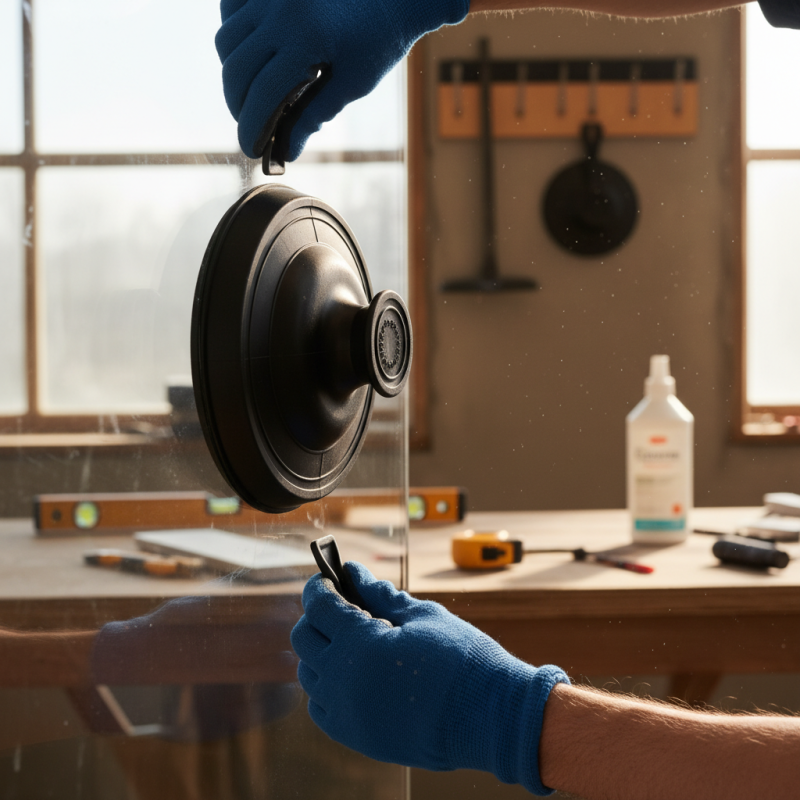
Understanding Rubber Suction Cups: Types and Uses
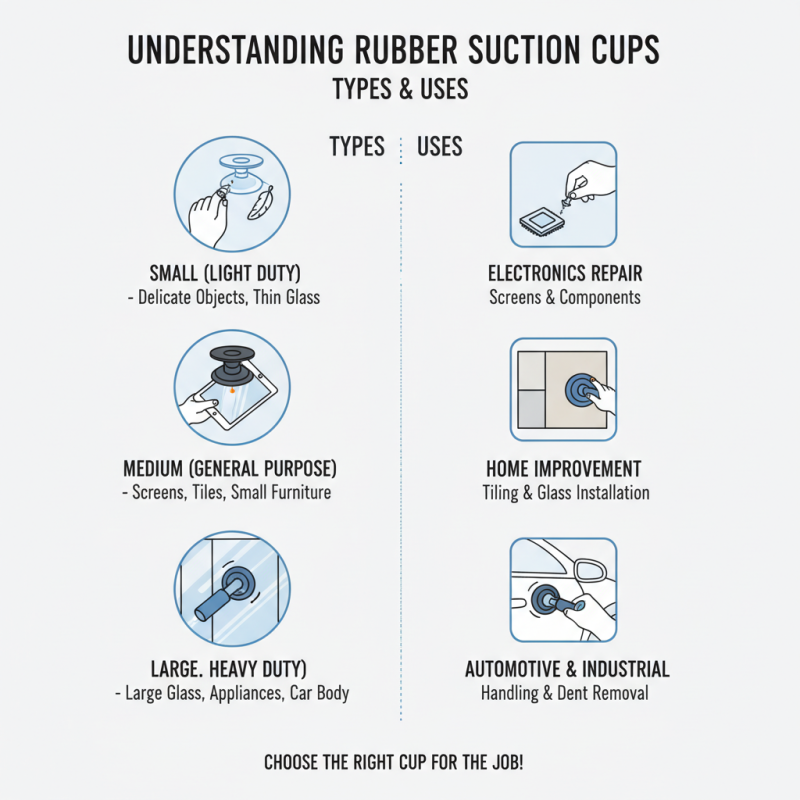
Rubber suction cups are versatile tools commonly used in various projects. They come in different sizes and shapes, tailored for specific tasks. You can find small cups for lightweight applications and larger ones for heavier items. Each type has its strength and limitations. Understanding these variations helps you select the right one for your needs.
One popular use is in glass handling. When moving or installing glass, suction cups create a secure grip. This makes the job easier and minimizes the risk of breakage. A smaller cup may not handle larger glass panels well. Also, surface cleanliness is vital. Dust or oil can weaken the suction.
These cups are also handy in DIY projects. For example, securing objects temporarily while gluing or painting can prevent messy spills. However, they may not stick well to porous or rough surfaces. Experimentation is key to finding the perfect fit for your project. It's important to reflect on your method as well, adjusting as needed.
Selecting the Right Rubber Suction Cup for Your Project
When selecting a rubber suction cup for your project, it’s crucial to consider the material. Different types of rubber offer varying levels of flexibility and strength. A cup with a high durometer rating may be ideal for heavy loads, while softer rubber can provide better adherence on uneven surfaces. Testing several options can lead to better outcomes.
Size matters significantly. The diameter of the suction cup impacts its holding power. Larger cups may seem better, but they can be cumbersome. Smaller cups work well for lightweight items, but they may not hold efficiently if the surface is not smooth. Experimenting with various sizes might yield surprising results.
Don’t overlook the surface interaction. Ensure the suction cup can create a proper seal. Irregular surfaces can lead to failures. It can be frustrating when a cup doesn’t hold as expected. Sometimes, even the most suitable cup fails due to surface contamination or improper installation. A little practice can enhance your success.
Preparation and Surface Considerations for Optimal Attachment
When using rubber suction cups, preparation is crucial for optimal attachment. Start by ensuring the surface is clean. Any dirt, grease, or moisture can compromise suction. A smooth and non-porous surface will yield better results. Reports show that suction cups can hold weights up to 100 pounds if properly attached to the right surfaces. However, if the surface is textured or dirty, effectiveness drops significantly.
Tips: Always test a small area first. This helps to gauge the suction power and attachment quality.
Common missteps include overlooking surface imperfections. Even minor scratches can hinder suction. For best results, regularly check the condition of both the suction cups and the surfaces they're used on. Consider ambient temperature as well. High humidity or extreme cold can affect the rubber’s flexibility and adhesion.
More details: Moisture can create a barrier between the cup and the surface. The material of the surface matters too. While glass and tile are ideal, materials like wood may not provide sufficient grip.
2026 How to Effectively Use Rubber Suction Cups for Your Projects? - Preparation and Surface Considerations for Optimal Attachment
| Dimension |
Description |
Consideration |
Optimal Surface Type |
| Diameter |
Size of the suction cup, influencing load capacity |
Ensure a proper fit for weight requirements |
Smooth, non-porous surfaces |
| Material |
Material composition affecting performance and durability |
Choose high-quality rubber for longevity |
Glass, polished metals, or glossy plastics |
| Temperature Resistance |
Ability to withstand various temperatures |
Select cups rated for the intended environment |
Applications involving heating or cooling cycles |
| Surface Cleanliness |
State of the surface where suction cups are to be applied |
Clean surfaces increase adhesion and performance |
Dust and oil-free environments |
| Vacuum Strength |
The amount of suction force a cup can create |
Consider the load to ensure effectiveness |
Varied surfaces as per load dynamics |
Techniques for Properly Applying Rubber Suction Cups
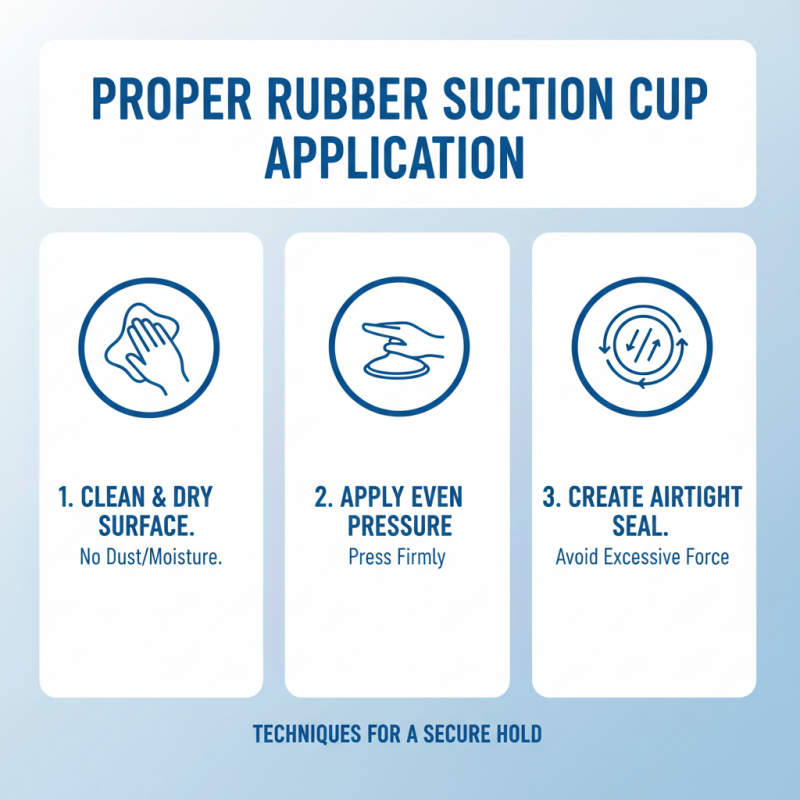
When using rubber suction cups, proper application is key. Ensure the surface is clean and dry. Dust or moisture can cause a poor seal. A quick wipe can make a difference. Apply even pressure when placing the cup. Press down firmly but avoid excessive force. This helps create an airtight seal.
Pay attention to the surface material. Some textures can cause issues. Smooth surfaces work best. If you’re struggling, try a slightly different angle. Experimentation can lead to better results. Sometimes, the initial position may not hold. It’s okay to adjust and retry. Learning through these challenges can enhance your skills.
Consider the temperature as well. Extreme heat or cold can affect suction. If conditions change, readjust the cup. You may need to replace it periodically. Over time, wear and tear can reduce effectiveness. Be mindful of this, as regular checks can save headaches later. Each project teaches something new about these versatile tools.
Maintenance and Care Tips for Longevity of Suction Cups
Rubber suction cups can be incredibly useful. However, they can lose their effectiveness over time. Proper maintenance is key to ensuring longevity.
Start by regularly cleaning the suction cups. Use warm, soapy water to remove dust and grease. Rinse them thoroughly. Avoid harsh chemicals, as they can damage the rubber. Dry them with a soft cloth to prevent moisture buildup, which can weaken the adhesive properties. Store them in a cool, dry area when not in use.
Inspect the cups often for any signs of wear. Cracks or deformities can reduce their holding power. Replace damaged cups promptly to avoid any accidents. Remember, a small oversight can lead to bigger issues later. Regular care can extend the life of your suction cups significantly. Simple attention can make a big difference in performance.
2026 Rubber Suction Cups Usage Effectiveness
This chart illustrates the effectiveness of rubber suction cups in various dimensions, showcasing their adhesion strength, durability, temperature resistance, cost, and flexibility—key factors for successful use in projects.