10 Essential Tips for Using Liquid Rubber For Moulds?
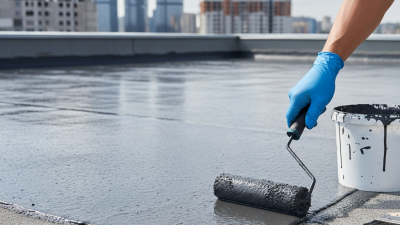
Liquid Rubber for Moulds is a versatile material used in various creative and industrial applications. Its ease of use and durability makes it a popular choice for hobbyists and professionals alike. However, mastering its application requires knowledge and practice. In this guide, we will explore essential tips that can enhance your experience with Liquid Rubber for Moulds.
Understanding the properties of Liquid Rubber can significantly impact your results. Proper mixing and application techniques are crucial for achieving optimal consistency and durability. Many users often overlook the importance of preparing your mould surface. A clean, well-prepped surface ensures better adhesion and prevents unexpected flaws.
Experimenting with different techniques is essential. While instructions provide a foundation, creativity can lead to unique applications. Acknowledging your mistakes during the process can lead to valuable insights. Reflect on what went wrong, and consider how to improve. These reflections will ultimately enhance your skills in using Liquid Rubber for Moulds effectively.
Understanding Liquid Rubber: Properties and Applications in Mould Making
Liquid rubber has gained popularity in mould making due to its versatility and unique properties. Known for its flexibility and durability, liquid rubber can create highly detailed moulds that capture fine textures. According to industry reports, this material exhibits a tensile strength of over 20 MPa and an elongation at break of up to 800%. Such attributes make it ideal for both small-scale and large-scale production.
For effective use, proper mixing is crucial. Ensure you measure components accurately; deviations can affect the final product. A common tip is to mix for at least five minutes, ensuring there are no pockets of unmixed material. This attention to detail enhances the strength of the mould.
Another essential tip involves curing time. Although some formulations may seem to set quickly, they often require extended cure times for optimal performance. Keep the mould undisturbed for at least 24 hours. This practice ensures that the rubber reaches its full strength and maintains its detail. Reflecting on these points, it's clear that while the process may have challenges, the results can be rewarding with careful planning and execution.
Selecting the Right Type of Liquid Rubber for Your Moulding Project
Choosing the right type of liquid rubber for your moulding project is crucial. Not all liquid rubber products are created equal. Consider the intended application and the specific properties you need. Some liquid rubbers have better flexibility, while others have higher durability. The choice can significantly impact the mould's performance.
Environmental conditions should also influence your selection. High-temperature applications may require rubber that can withstand heat without degrading. Meanwhile, projects exposed to varying weather conditions need UV resistance. Test small samples to see how the liquid rubber interacts with your materials. This step can save you from costly mistakes later.
Quality matters, but it’s also essential to analyze your budget. Higher quality may come with a price. However, downgraded choices can lead to failures. Choose wisely and weigh your options. Sometimes, trying out different formulations could lead to surprising results, but it requires careful consideration and experience. Experimentation can lead to innovation, but not all experiments will succeed. Keep records of your findings to refine your approach for future projects.
Liquid Rubber Moulding Project Comparison
This bar chart compares the effectiveness of different types of liquid rubber used in moulding projects based on their flexibility, drying time, and ease of use.
Preparation and Cleaning: Essential Steps Before Applying Liquid Rubber
Preparing your workspace is crucial when using liquid rubber for moulds. Clean surfaces help ensure proper adhesion. Dirt and grease can lead to failures in mould quality. According to industry studies, a clean surface enhances bonding strength by up to 40%.
Start by removing any old residues. Use a suitable solvent to wipe down the area. Allow the surface to dry completely before starting. This simple step can drastically improve the effectiveness of your mould.
Tip: Always wear protective gear during the cleaning process. Safety should be your priority. Ensure ventilation to avoid inhaling any vapours.
Cleaning tools is equally important. Brushes, spatulas, and mixing containers should be free of contaminants. One common mistake is neglecting to clean materials previously used with other compounds. This oversight can compromise your new mould’s integrity.
Tip: Consider using dedicated tools for liquid rubber applications. This may require extra investment but will pay off in quality results. Proper preparation sets the foundation for a successful mould-making experience.
Application Techniques: Achieving Smooth and Even Coatings in Moulds
Achieving smooth and even coatings in moulds is crucial when using liquid rubber. Proper application techniques can significantly enhance the final product's quality. Industry reports suggest that approximately 30% of mould failures result from inadequate coating techniques. Ensuring an even application can minimize these issues.
Begin with thorough surface preparation. Clean the mould surface to eliminate any dust or grease. Uneven surfaces lead to bubbles and imperfections in the final product. The right temperature plays an essential role. The ideal range is between 20°C to 25°C. At this temperature, liquid rubber flows smoothly, allowing for better spreading.
Consider the method of application. A brush may miss spots, while spraying ensures an even layer. According to a study, spraying reduces the chance of bubbles by up to 50%. It’s essential to maintain a steady hand and consistent distance while spraying. It’s also important to allow ample time for curing, as rushing may result in tacky surfaces. Observing these details can significantly impact the durability and aesthetics of moulded items. Regular practice can help address common application issues, leading to enhanced skills over time.
Curing Process: Optimal Conditions for Liquid Rubber to Set Properly
The curing process of liquid rubber is crucial for achieving durable moulds. Optimal conditions play a significant role in determining how well the rubber sets. Temperature is a key factor. Ideally, maintain a range of 20°C to 25°C (68°F to 77°F). Extreme temperatures can lead to imperfections in the final product. Too cold? It may not cure at all. Too hot? The rubber can set too quickly, leading to bubbles or weak spots.
Humidity also affects curing. High humidity can slow down the process, while low humidity can accelerate it. Aim for 50%-70% relative humidity for best results. Another important aspect is the pot life of the rubber. This refers to how long you have to work with it before it starts to cure. Time your application carefully to avoid wastage and ensure a smooth finish.
Pay attention to mixing ratios as well. Incorrect proportions can lead to incomplete curing or inconsistent texture. Always follow the manufacturer’s specifications. You may need to experiment. Each project can require adjustments based on environmental conditions. Achieving expertise in using liquid rubber for moulds takes time and practice. Embrace the learning curve as part of the process.
10 Essential Tips for Using Liquid Rubber For Moulds
| Tip Number |
Tip Description |
Optimal Condition |
| 1 |
Choose the right liquid rubber type. |
Temperature above 20°C (68°F) |
| 2 |
Ensure surface is clean and dry. |
Low humidity levels |
| 3 |
Mix thoroughly before application. |
Room temperature |
| 4 |
Pour slowly to avoid bubbles. |
Calm environment, no drafts |
| 5 |
Use a release agent if necessary. |
Suitable curing temperature |
| 6 |
Let the mould cure undisturbed. |
24 hours at optimal temp |
| 7 |
Store leftover liquid rubber properly. |
Cool, dark place |
| 8 |
Test small batches before full application. |
Same conditions as application |
| 9 |
Follow the manufacturer’s instructions. |
As recommended |
| 10 |
Consider temperature changes during curing. |
Stable environment |