Why Every Home Needs a Rubber Edge Protector: Safety Benefits You Can’t Ignore
In an era where home safety is paramount, a simple yet effective solution like the
Rubber Edge Protector
can significantly contribute to accident prevention. According to the
National Safety Council, over 30,000 injuries
occur annually due to sharp edges and corners in household environments. A staggering
52% of these incidents involve children
under the age of five, highlighting the critical need for protective measures.
Furthermore, reports indicate that implementing safety features in the home can reduce the risk of injury by
up to 70%. The
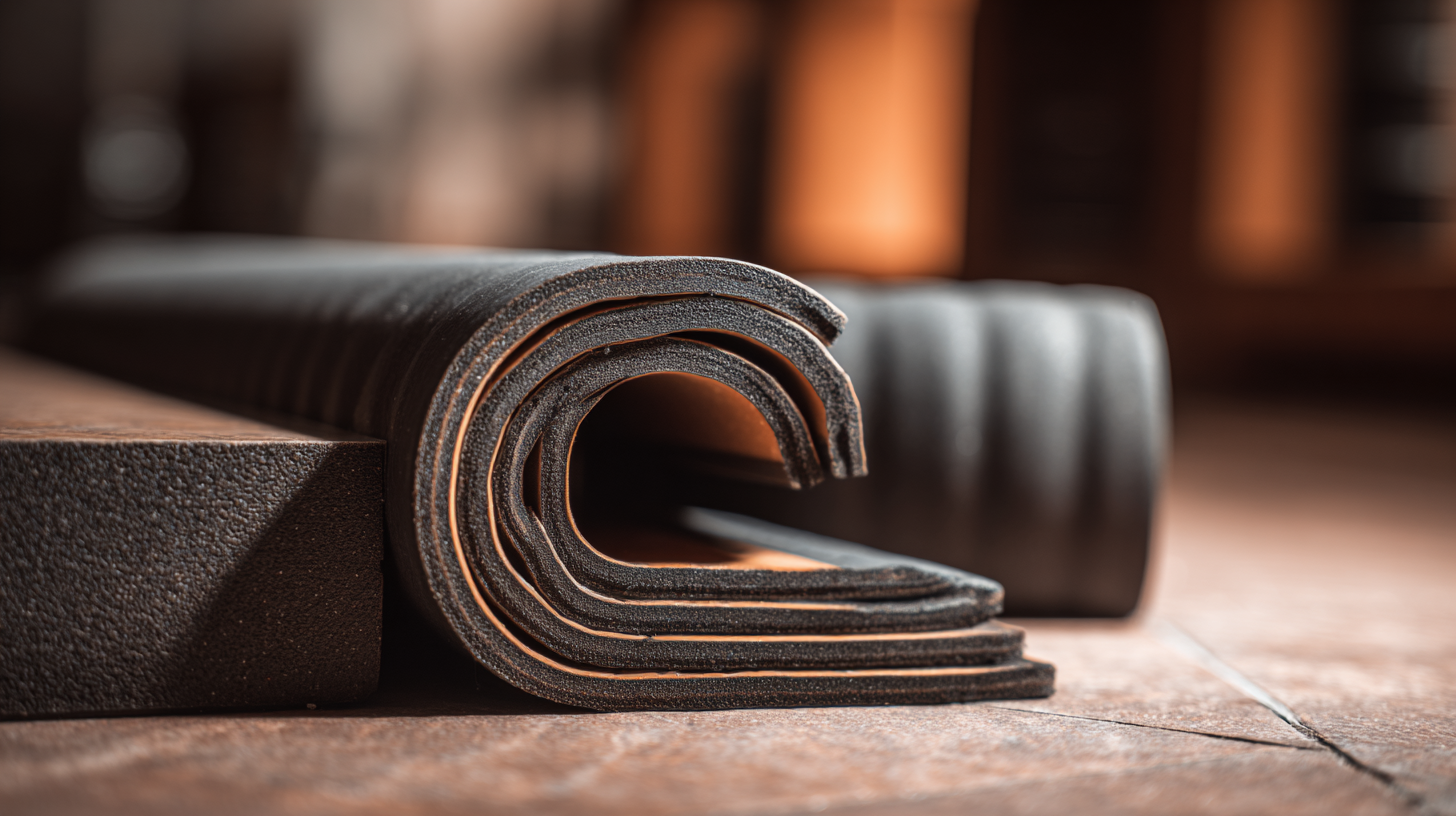
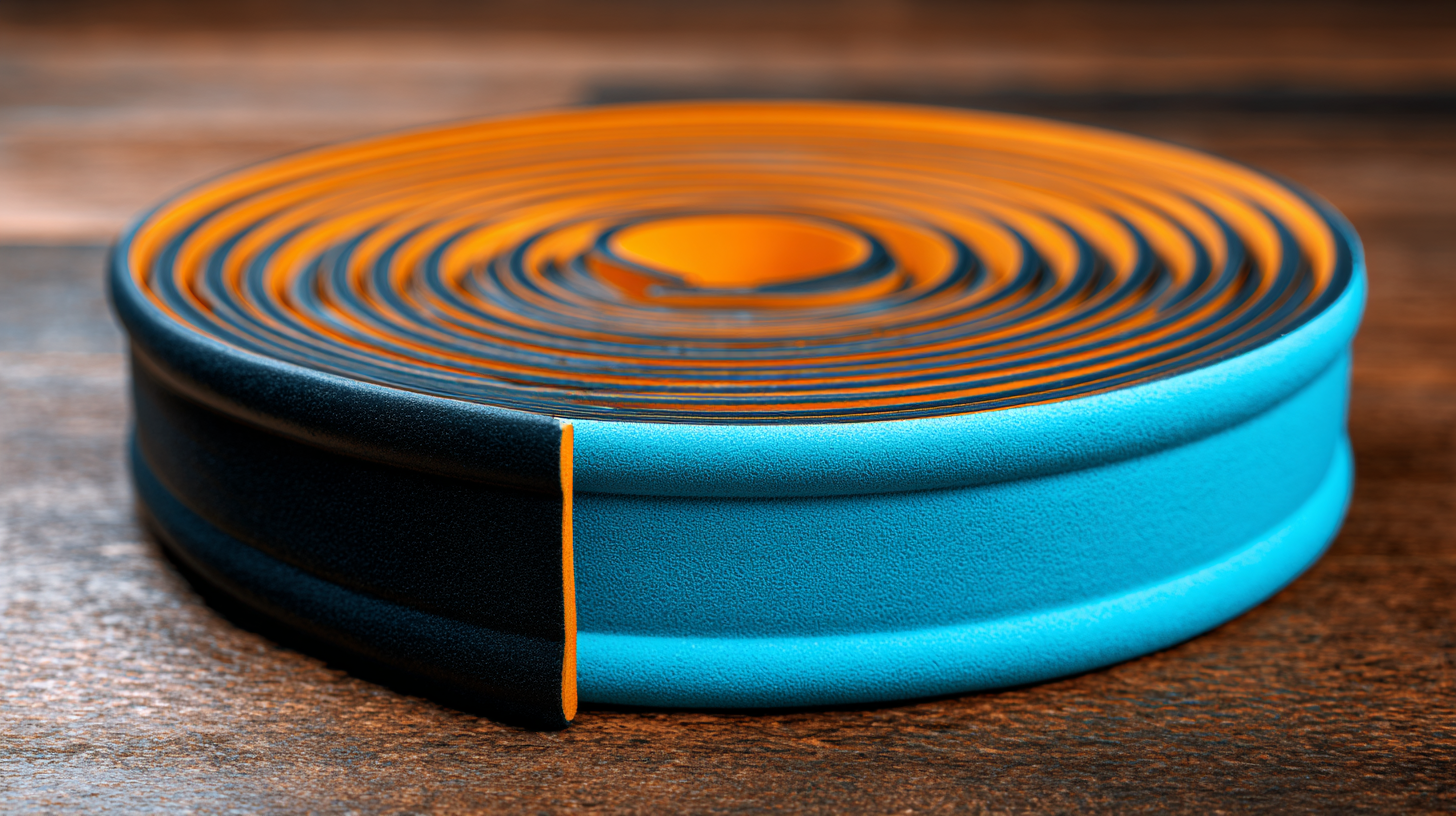
Rubber Edge Protector, designed to cushion sharp corners on furniture and fixtures,
not only enhances safety but also promotes peace of mind for families. With its versatility and easy installation,
this essential accessory is a practical investment that every household should consider to safeguard their loved ones from unnecessary harm.
How to Choose the Right Rubber Edge Protector for Your Home
 When it comes to enhancing safety in your home, choosing the right rubber edge protector is paramount. Factors such as the material's durability, thickness, and ease of installation should be considered. According to a report by the U.S. Consumer Product Safety Commission, approximately 2.8 million injuries occur annually due to falls, many of which can be prevented with proper safety measures like edge protectors. A high-quality rubber edge protector can significantly reduce the risk of cuts and bruises, especially for young children and elderly family members.
Tips: Look for edge protectors made from high-density rubber that can withstand everyday wear and tear. Ensure they have a non-slip surface for added safety. Measure the edges you want to protect to ensure you select the appropriate size and thickness.
Additionally, consider the aesthetic aspects of your chosen protector. Nowadays, many manufacturers offer a variety of colors and designs that can blend seamlessly with your home decor. This means you don’t have to compromise on style for safety, an important factor since 30% of homeowners report that they prioritize aesthetics in home safety products, according to a recent market survey.
How to Install Rubber Edge Protectors Safely and Effectively
Installing rubber edge protectors in your home is a straightforward yet crucial safety measure that can significantly reduce the risk of injuries, especially in households with children or elderly family members. According to the National Safety Council, unintentional injuries are a leading cause of hospital visits, and sharp edges often contribute to this statistic. To ensure effective installation, begin by measuring the edges of furniture or high-traffic areas. The rubber edge protectors should cover the entire length of the edge and adhere securely.
Before applying, ensure the surface is clean and dry. For optimal results, it’s advisable to use a high-quality adhesive or peel-and-stick options that facilitate easy installation without additional tools. According to industry reports, homes outfitted with edge protection can reduce injury occurrences by up to 40%, making them an invaluable asset for enhancing home safety. Once installed, regularly inspect the protectors for wear and tear, and replace them as needed to maintain an effective barrier against sharp edges.
Rubber Edge Protector Safety Benefits
How to Maintain and Clean Your Rubber Edge Protectors for Longevity
Maintaining and cleaning rubber edge protectors is essential for ensuring their longevity and effectiveness in enhancing safety. Regular upkeep not only preserves their protective qualities but also extends their lifespan. According to a recent report from the National Safety Council, improperly maintained safety equipment can lead to up to a 50% decrease in effectiveness over time. Therefore, routine inspections and cleaning should become a part of any homeowner's maintenance schedule.
To clean rubber edge protectors, it's recommended to use mild soap and warm water, avoiding harsh chemicals that can deteriorate the material. A soft brush can help reach grooves and crevices where dirt and grime accumulate. Furthermore, reports indicate that UV exposure can degrade rubber, leading to cracks and loss of flexibility. To combat this, homeowners should periodically check for signs of wear and replace any damaged parts promptly. By taking these simple steps, homeowners can ensure their rubber edge protectors remain effective, contributing significantly to a safer living environment.
Why Every Home Needs a Rubber Edge Protector: Safety Benefits You Can’t Ignore - How to Maintain and Clean Your Rubber Edge Protectors for Longevity
| Safety Benefits |
Cleaning Method |
Maintenance Tips |
Expected Lifespan |
| Prevents injuries from sharp edges |
Wipe with a damp cloth and mild soap |
Inspect for wear and replace if damaged |
5-10 years depending on usage |
| Reduces noise from bumping furniture |
Use a soft-bristle brush for dirt buildup |
Keep away from extreme temperatures |
Up to 10 years with proper care |
| Protects walls and furniture from impacts |
Spray with a vinegar solution for deeper clean |
Avoid harsh chemicals that can degrade material |
Varies by quality, generally 5-8 years |
| Offers protection for children and pets |
Simply rinse with water to remove stains |
Ensure a secure fit to prevent detachment |
8-10 years with regular inspection |
How to Identify High-Risk Areas in Your Home for Edge Protection
When assessing the safety of your home, identifying high-risk areas for edge protection is crucial. Common locations include sharp corners of furniture, staircases, and countertops. Children and pets, in particular, are prone to accidents, and sharp edges can lead to serious injuries. Taking a careful look at these areas can help you prioritize which spots need immediate attention.
In addition to furniture and stairs, consider areas where movement is frequent. Hallways, door frames, and even outdoor spaces can pose edge-related hazards. By placing rubber edge protectors on these surfaces, you can significantly reduce the risk of cuts or bruises. Inspect your home regularly, especially after rearranging furniture or during major renovations, to ensure that all potential dangers are addressed. Implementing these protective measures not only enhances safety but also contributes to a more secure living environment for everyone.
How to Educate Your Family on the Importance of Safety with Edge Protectors
Educating your family about the importance of safety with edge protectors can significantly reduce the risk of accidents in the home.
According to the National Safety Council, more than
2.8 million unintentional injuries
occur each year in the United States, many of which are related to sharp edges and corners. By introducing rubber edge protectors, you can take a proactive step in preventing injuries, particularly for
children and elderly family members who are more vulnerable to accidents.
Start the conversation by highlighting the statistics to create awareness. Use real-life examples of injuries caused by sharp edges, reiterating how simple modifications can lead to
significant reductions in risk. Emphasize that
children aged 0-4 are at a higher risk, as they are naturally curious and sometimes unaware of dangers around them.
Encouraging hands-on activities, like installing edge protectors together, not only makes safety a family affair but also helps reinforce the message. Incorporating safety discussions into daily routines can instill a culture of
awareness and caution, making it easier for family members to recognize hazards in their environment.