2026 How to Install Rubber Bump Stops for Enhanced Vehicle Performance?
Upgrading your vehicle's performance can start with a simple yet effective modification: installing Rubber Bump Stops. These components play a crucial role in enhancing suspension performance and ride quality. With the right installation, you can reduce bottoming out and increase overall handling. Understanding their importance is essential for any vehicle owner who values performance.
Rubber Bump Stops absorb shocks, making your ride smoother and safer. They help maintain proper suspension travel and protect your vehicle from damage. Many drivers overlook this detail, but it can significantly impact your driving experience. When driving on rough terrains, poor bump stops can lead to excessive wear and tear on your vehicle.
Installation may seem straightforward, but common mistakes can arise. It’s easy to misjudge the need for replacement or install them incorrectly. Taking the time to learn about Rubber Bump Stops ensures you get the best results. This guide will help you understand the installation process and the benefits, providing you with confidence in enhancing your vehicle’s performance.
Understanding Rubber Bump Stops and Their Benefits for Vehicles
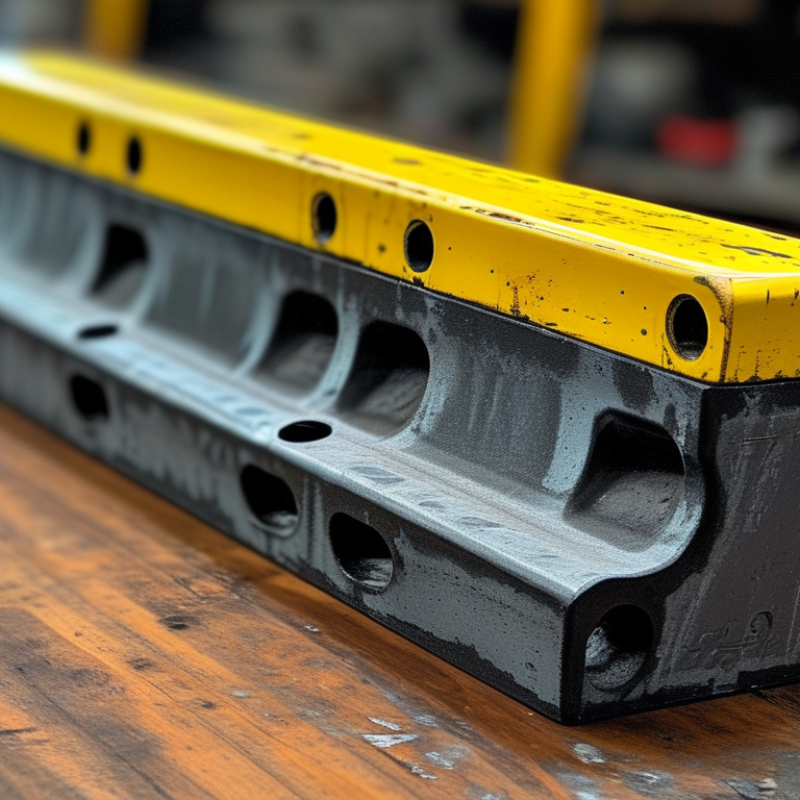
Rubber bump stops play a crucial role in enhancing vehicle performance. These rubber components serve as a cushioning device, absorbing shock and impact during driving. They are usually installed near the suspension system. This helps mitigate friction between parts, reducing wear and tear. Proper bump stops can lead to improved ride quality and better handling.
Understanding the benefits of rubber bump stops is essential. They can prevent bottoming out, which can cause damage to the vehicle's underside. Moreover, they help maintain the alignment of suspension components. This is vital for consistent performance. The effectiveness of bump stops may diminish over time, so regular inspection is necessary. It’s a reminder that even small components have a big impact.
Installation of bump stops requires attention to detail. If not installed correctly, they may not function properly. This can lead to increased vehicle stress and reduced performance. Ensure that all surfaces are clean before installation. It might take time to get it right, but this investment pays off in the long run. Reflecting on these aspects can lead to a more enjoyable driving experience.
Tools and Materials Needed for Installing Rubber Bump Stops
To install rubber bump stops effectively, you need the right tools and materials. Start with a socket set. This will help you easily remove existing bump stops. A torque wrench is also essential. It ensures that nuts and bolts are tightened to the correct specifications. Include a screwdriver set. This is helpful for securing any clips or brackets related to the bump stop installation.
Don’t forget safety equipment! Protective gloves can keep your hands safe from dirt and sharp edges. Use safety glasses to protect your eyes from dust and debris. Have a cleaning cloth nearby as well. Keeping your workspace tidy helps avoid accidents and confusion. Having these tools ready will make the installation process smoother.
It’s important to inspect your current bump stops before installation. Sometimes, they may seem fine but have minor damages. If you're not careful, you could miss issues that affect performance. Plan to take your time. Rushing can lead to mistakes, like improper placement. Pay attention to the specifications of your vehicle. Each model may have unique requirements.
Step-by-Step Guide to Removing Old Bump Stops from Your Vehicle
Removing old bump stops is a crucial step in enhancing vehicle performance. Over time, bump stops can wear down, causing reduced handling and ride quality. A study by the Vehicle Dynamics Institute indicates that worn bump stops can decrease suspension efficiency by up to 30%. Thus, replacing them can lead to substantial improvements in driving experience and safety.
Begin by lifting your vehicle securely on a flat surface. Use jack stands for safety. Locate the bump stops; they are usually positioned at the suspension's upper or lower limits. Use a socket wrench to detach them from their mountings. Inspect the surrounding area for any signs of damage or corrosion. This inspection is essential; neglecting it can lead to further issues.
Tip: A common mistake is forgetting to clean the mounting area before installing new bump stops. Clean surfaces facilitate better adhesion and durability.
After removing the old bump stops, compare them with the new ones. Ensure proper sizing. A mismatch can cause ongoing performance issues. When installing, apply a small amount of lubricant to ease the process. Be cautious; over-tightening can damage the new stops.
Tip: If your vehicle shows signs of excessive bounce or instability, re-evaluate your entire suspension setup. Not addressing these issues can lead to serious safety concerns.
Installing the New Rubber Bump Stops: Techniques and Tips
Installing rubber bump stops can significantly improve your vehicle's performance. These components help absorb shocks and reduce vibrations, leading to a smoother ride. When improperly installed, they may not function effectively. It's essential to pay attention to the details during installation.
Begin by lifting the vehicle safely on a flat surface. Clean the area where the bump stops will be installed. Proper cleaning ensures a good seal and optimal function. Using the right tools is crucial. A basic toolkit, including wrenches and sockets, can make the process easier. Align the bump stops carefully. If they are misaligned, they may wear out quickly.
Pay attention to torque specifications. Over-tightening can damage the bump stops, while under-tightening could lead to instability. Take your time and double-check your work. It's better to be cautious than to rush. Regular inspections after installation can help identify any issues early. This practice enhances your vehicle’s safety and longevity.
Impact of Rubber Bump Stops on Vehicle Performance
Testing and Adjusting Vehicle Performance After Installation
After installing rubber bump stops, testing and adjusting your vehicle's performance is crucial. Start by taking your vehicle for a test drive on varied terrain. Pay attention to how your vehicle absorbs bumps and dips.
Improved handling often appears immediately, but subtle changes may take more time to notice.
Next, evaluate the ride comfort. It might feel different than before. Adjust your driving style if needed. Taking sharp turns or accelerating quickly can reveal the true effectiveness of the bump stops.
Listen for any unusual sounds. They may indicate improper installation or other underlying issues.
After the initial test, check the alignment. Misalignment can affect performance and tire wear. If adjustments are necessary, consult a professional.
Document your observations. Over time, you may identify patterns in how your vehicle behaves. This reflection helps you understand the impact of the bump stops better.
Regular checks enable ongoing adjustments, ensuring your vehicle performs optimally.