Liquid Rubber Best Uses Benefits and Applications?
Liquid Rubber is gaining significant attention in many industries. Its versatility makes it an ideal choice for various applications. Reports indicate that the global liquid rubber market is expected to grow by over 9% annually. This growth reflects its increasing use in construction, automotive, and waterproofing sectors.
The unique properties of Liquid Rubber contribute to this trend. It provides excellent flexibility, durability, and weather resistance. For instance, its ability to form a seamless barrier is crucial for protecting roofs and foundations. However, there are still challenges, such as the need for proper surface preparation, that users often overlook.
Despite its advantages, Liquid Rubber is not always the perfect solution. Some users find it difficult to apply evenly on textured surfaces. This inconsistency can affect the overall performance. It's essential to weigh the pros and cons before making a decision. Understanding its best uses can lead to successful outcomes in various applications.
Understanding Liquid Rubber: Composition and Properties
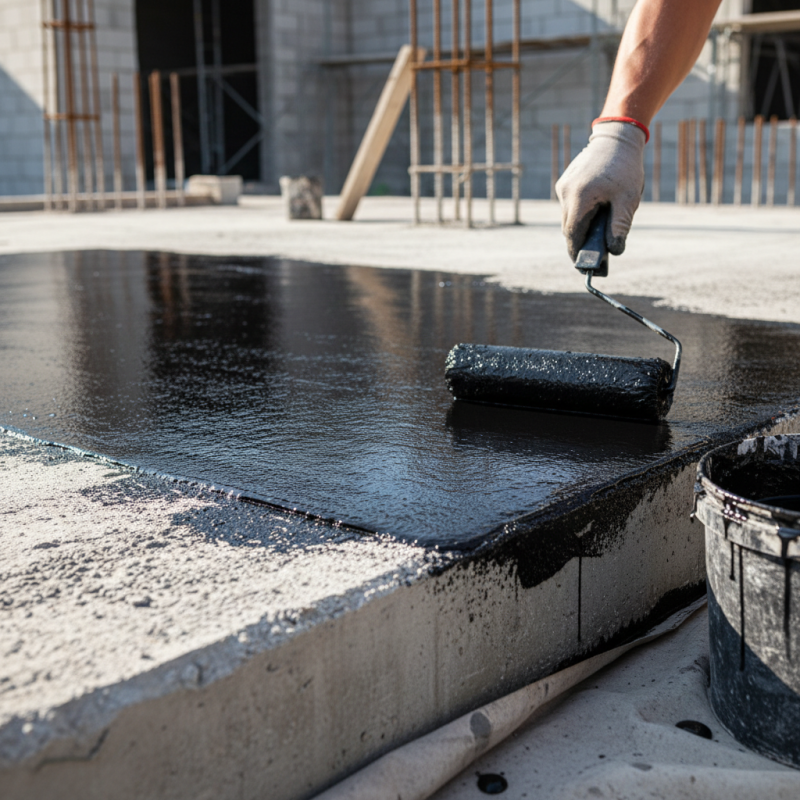
Liquid rubber stands out for its unique composition and properties. It is primarily made from synthetic or natural rubber that can be applied in liquid form. This allows for a seamless finish on a variety of surfaces. When cured, liquid rubber forms a strong, flexible membrane. This texture offers superior waterproofing and protection against UV rays, making it ideal for outdoor applications.
Tips: Ensure the surface is clean before application. Any debris can affect adhesion.
When it comes to versatility, liquid rubber excels. It can be used for roofing, waterproofing basements, or even creating decorative coatings. Its elasticity allows it to expand and contract with changing temperatures. This quality reduces the risk of cracking. However, not all surfaces may respond well to it. Testing in a small area is essential before large-scale application.
Tips: Avoid applying in extremely cold or wet conditions. This could compromise the curing process.
Although liquid rubber has many benefits, it requires careful handling. Proper mixing and application techniques are crucial. If not applied correctly, it may lead to an uneven finish. Additionally, ensure adequate ventilation during use. Despite its robust properties, liquid rubber should be stored properly to maintain its effectiveness.
Key Benefits of Using Liquid Rubber in Various Applications
Liquid rubber is gaining popularity for its versatility and numerous benefits. One of its key benefits is its exceptional waterproofing abilities. This makes it ideal for roofing and foundation applications. It creates a seamless barrier against moisture, protecting structures from water damage. This benefit is crucial for areas with heavy rainfall or snow.
Another significant advantage of liquid rubber is its durability. Once cured, it resists UV exposure, chemicals, and extreme weather conditions. This resistance translates to longer-lasting protection. It’s particularly useful for outdoor applications, such as ponds and outdoor equipment. However, it’s essential to follow proper application techniques to achieve optimal results.
**Tip**: Always prepare the surface properly. Any dirt or debris can affect adhesion.
Liquid rubber is also flexible, making it suitable for various surfaces, including metal, wood, and concrete. Its elasticity helps absorb impact and reduce stress on the surfaces. However, misapplication or improper mixing can lead to performance issues.
**Tip**: Test in a small area before large-scale application. This helps identify potential problems early on.
Liquid Rubber Best Uses Benefits and Applications
| Application Area |
Benefits |
Key Features |
| Roofing |
Waterproofing, UV resistance |
Seamless application, flexible |
| Basements |
Moisture prevention, durability |
Easy to apply, non-toxic |
| Ponds and Water Features |
Leak prevention, eco-friendly |
Flexible, protects wildlife |
| Driveways |
Crack resistance, easy clean |
Durable, slip-resistant |
| Automotive |
Sound dampening, corrosion protection |
Flexible, impact-resistant |
| Construction |
Adhesion enhancement, compatibility |
Versatile, easy to customize |
Common Applications of Liquid Rubber in Construction and Repair
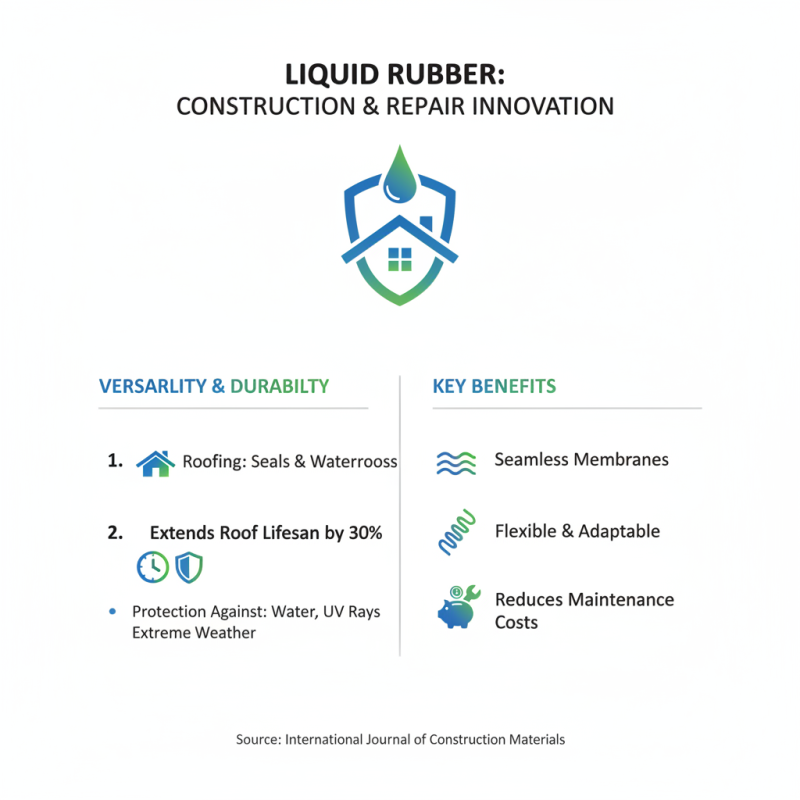
Liquid rubber is gaining traction in the construction and repair sectors due to its versatility and durability. In roofing applications, it is often used to seal and waterproof roofs. A report from the International Journal of Construction Materials indicates that liquid rubber membranes can extend roof lifespan by up to 30%. These membranes provide effective protection against water infiltration, UV rays, and extreme weather.
In flooring, liquid rubber serves as an optimal solution for creating seamless surfaces. This material is ideal for industrial settings, where spills and wear are common. It offers slip resistance, making it a safer option for high-traffic areas. According to a study by the American Society of Civil Engineers, liquid rubber can reduce floor maintenance costs by approximately 20% over five years.
Tips: When applying liquid rubber, ensure the surface is clean and dry. This step is crucial for adhesion. Also, consider the temperature; application in extreme conditions can lead to poor results. Regular inspections are essential. They help identify any wear or damage that may require repairs.
Liquid Rubber in Automotive and Industrial Uses
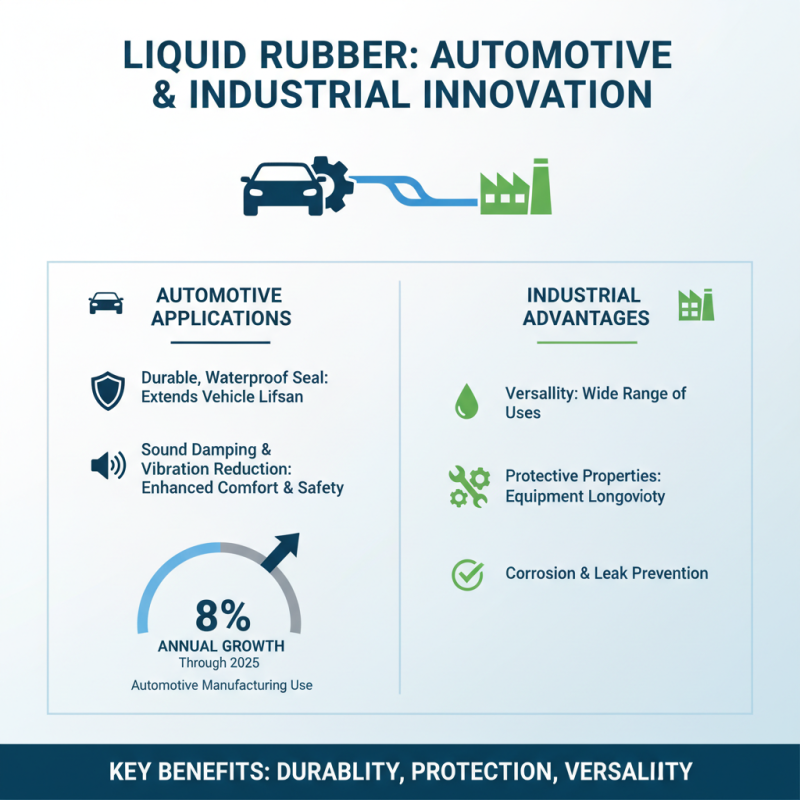
Liquid rubber has gained significant traction in automotive and industrial applications due to its versatility and protective properties. According to a recent industry report, the use of liquid rubber in automotive manufacturing is anticipated to grow by 8% annually through 2025. This growth is attributed to its ability to provide a durable, waterproof seal that extends the lifespan of vehicles. It is often used in sound dampening and vibration reduction, offering both comfort and safety for drivers and passengers alike.
In industrial settings, liquid rubber serves various purposes, such as coating machinery and infrastructure. With a market share that is projected to reach $1.2 billion by 2026, liquid rubber acts as an efficient barrier against corrosion and moisture. It is noteworthy that while liquid rubber offers excellent chemical resistance, its application can be tricky. Proper surface preparation is crucial. Without it, the adhesion may fail, leading to costly repairs down the line.
Moreover, liquid rubber is not always easy to apply evenly, requiring skilled labor for optimal results. Its curing time can also pose challenges in fast-paced manufacturing environments. Despite these hurdles, the benefits of using liquid rubber—such as its flexibility and strength—are undeniable. Given its rising prominence in automotive and industrial sectors, continual improvements in application methods could significantly enhance its utility.
Environmental Considerations and Safety Measures for Liquid Rubber
When considering liquid rubber, environmental impact stands out. Many liquid rubber products are made from non-toxic materials. However, their production and application do consume resources. According to a report by the Environmental Protection Agency, liquid rubber can emit volatile organic compounds (VOCs), which can affect air quality. Proper ventilation is vital during application to minimize these effects.
Safety is another concern. Protective gear like gloves and masks should be used while handling liquid rubber. Some components can cause skin irritation or respiratory issues. An industry study indicates that 15% of workers reported mild reactions when they did not follow safety protocols. Measures such as using non-toxic alternatives and opting for water-based formulas can mitigate risks while maintaining effectiveness.
Liquid rubber's lifecycle also matters. End-of-life disposal poses questions about sustainability. Some products are recyclable, while others may end up in landfills. A circular approach could be employed, but it requires industry-wide collaboration. Stakeholders must prioritize safe practices and eco-friendly options to create a healthier environment for all.
Liquid Rubber Applications and Benefits