“Maximizing Safety at Home: The Ultimate Guide to Choosing the Right Rubber Edge Protector”
When it comes to creating a safe environment at home, one often overlooked element is the use of a Rubber Edge Protector. These practical and versatile tools are designed to minimize the risk of injury from sharp edges and corners found on furniture, cabinets, and various household items. In this ultimate guide, we will explore the essential factors to consider when choosing the right Rubber Edge Protector to suit your needs. From understanding different materials and sizes to installation techniques and design options, this guide aims to provide you with comprehensive insights to ensure that your home is not only aesthetically pleasing but also safe for everyone, especially for children and pets. By maximizing safety with the appropriate Rubber Edge Protector, you can create a more secure living space that accommodates the activity and curiosity of daily life.
Understanding the Importance of Rubber Edge Protectors for Home Safety
Rubber edge protectors play a crucial role in enhancing home safety, especially in environments where children or elderly individuals are present. These protective strips are designed to cushion and soften sharp edges on furniture and fixtures, significantly reducing the risk of injuries from bumps and falls. By covering exposed corners and edges, rubber protectors act as a barrier, thereby mitigating the potential for painful accidents that can occur in day-to-day activities.
In addition to providing physical protection, rubber edge protectors can also contribute to a sense of security within the home. Families often worry about the hazards that exist in their living spaces, and installing these protectors can alleviate some of those concerns. Moreover, they are available in various sizes, colors, and styles, allowing homeowners to choose options that complement their interior décor while effectively prioritizing safety. By understanding the importance of these protective features, individuals can create a safer home environment that values both aesthetics and well-being.
Maximizing Safety at Home: Rubber Edge Protectors Usage Statistics
Identifying Different Types of Rubber Edge Protectors Available in the Market
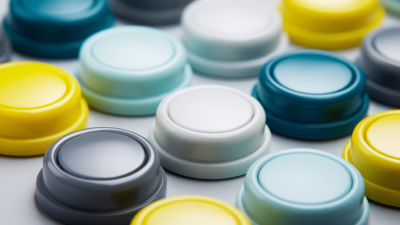
When selecting the right rubber edge protector for your home, it's essential to understand the various types available on the market. Rubber edge protectors come in different shapes, sizes, and designs, catering to a range of applications, from industrial to residential use. Common types include corner guards, flat edge protectors, and flexible rubber profiles, each serving unique purposes. Corner guards, for instance, are perfect for protecting furniture and walls from accidental bumps, while flat edge protectors can safeguard sharp edges on tables and countertops.
Tips for choosing the right rubber edge protector include assessing the specific area where it will be applied. Measure the dimensions of the edges you want to protect to ensure a proper fit. Additionally, consider the thickness and material hardness; a thicker protector may be more durable and provide better shock absorption when it comes to high-traffic areas. Lastly, check for easy installation features, as many rubber edge protectors come with adhesive backing for a straightforward application. With the right choice, you can significantly enhance safety in your home environment.
Key Features to Consider When Choosing a Rubber Edge Protector
When choosing the right rubber edge protector for your home, there are several key features to consider to ensure maximum safety. According to a report by the Consumer Product Safety Commission, over 100,000 injuries occur each year due to sharp edges around the home. Therefore, selecting a high-quality edge protector that fits properly is crucial. Look for protectors made from durable, non-toxic materials that can withstand wear and tear, particularly in high-traffic areas.
Another critical feature is the size and thickness of the rubber edge protector. A study published by the National Safety Council highlights that thicker edge protectors provide better cushioning, which can significantly reduce the risk of injury, especially for young children and the elderly. Additionally, consider the ease of installation. Many rubber edge protectors come with adhesive backings, making it simple to apply them to surfaces without the need for professional help. Investing in the right features can greatly enhance safety and provide peace of mind in your home environment.
Maximizing Safety at Home: The Ultimate Guide to Choosing the Right Rubber Edge Protector
| Feature |
Description |
Importance Level |
| Material Quality |
High-quality rubber that is durable and flexible |
High |
| Size Options |
Variety of sizes to fit different edges |
Medium |
| Adhesive Strength |
Strong adhesive that ensures the protector stays in place |
High |
| Color Options |
Available in various colors to match home decor |
Low |
| Ease of Installation |
Simple to install without needing special tools |
High |
| Safety Certifications |
Meets industry safety standards for use in homes |
High |
| Moisture Resistance |
Resistant to moisture to prevent mold and mildew |
Medium |
Step-by-Step Guide to Installing Rubber Edge Protectors Effectively
 Installing rubber edge protectors effectively can significantly enhance safety in your home, especially in areas prone to accidental bumps and falls. Start by measuring the edges you wish to protect. Whether it's furniture, countertops, or stairs, accurate measurements will help you purchase the right length of rubber edging. Choose a flexible yet durable rubber protector that suits the surface type and thickness. This step ensures optimal coverage and efficacy in preventing injuries.
Once you have your materials ready, clean the surface of the edges thoroughly to remove any dust or grease. This preparation is crucial for the adhesive to bond properly. Apply a strong adhesive or use self-adhesive rubber protectors, pressing firmly to secure them in place. For added security, particularly on corners or curves, consider using additional screws or fasteners if applicable. Ensure that the protector extends slightly beyond the edge for maximum coverage. After installation, allow the adhesive to cure as per the manufacturer's instructions before using the area, ensuring that the rubber edge protector remains securely in place and provides optimum safety.
Maintaining and Caring for Your Rubber Edge Protectors for Longevity
 Proper maintenance and care are essential for ensuring the longevity of rubber edge protectors in your home. To begin with, regular cleaning is crucial. Dust and grime can accumulate on the surface, compromising the protective qualities of the rubber. Using a damp cloth and a mild detergent helps to remove any buildup. Make sure to rinse thoroughly to avoid leaving any soap residue, which can degrade the material over time. For tougher stains, a soft brush may be used, but it’s important to be gentle to prevent scratching the surface.
In addition to cleaning, inspecting your rubber edge protectors regularly can help identify any signs of wear or damage early on. Look for cracks, tears, or areas where the rubber has started to peel. Addressing these issues promptly can prevent further deterioration and ensure the protectors continue to provide their safety benefits. Finally, storing excess protectors in a cool, dry place away from direct sunlight can also contribute to their longevity, as exposure to extreme temperatures and UV rays can lead to premature aging. By paying attention to these maintenance practices, you can enjoy the benefits of your rubber edge protectors for years to come.