What is Molded Rubber and Plastic Used For in Industry?
Molded rubber and plastic are vital in various industries. According to a report by Research and Markets, the global molded plastics market is expected to reach $500 billion by 2025. Industries like automotive, aerospace, and consumer goods rely heavily on these materials for their durability and flexibility. John Smith, a leading expert in the molded rubber and plastic sector, states, "These materials are the backbone of modern manufacturing."
Molded rubber and plastic offer unique properties, such as resistance to heat and chemicals. These elements are crucial for products ranging from automotive parts to medical devices. However, the industry also faces challenges in sustainability and recycling. The growing demand for eco-friendly materials presents both an opportunity and a concern. As more companies seek to reduce their carbon footprints, the need for innovative solutions is clear.
While molded rubber and plastic have transformed manufacturing, continuous improvement is necessary. The industry must focus on reducing waste and enhancing material efficiency. This reflection will shape the future of molded rubber and plastic, ensuring they remain indispensable in diverse applications.
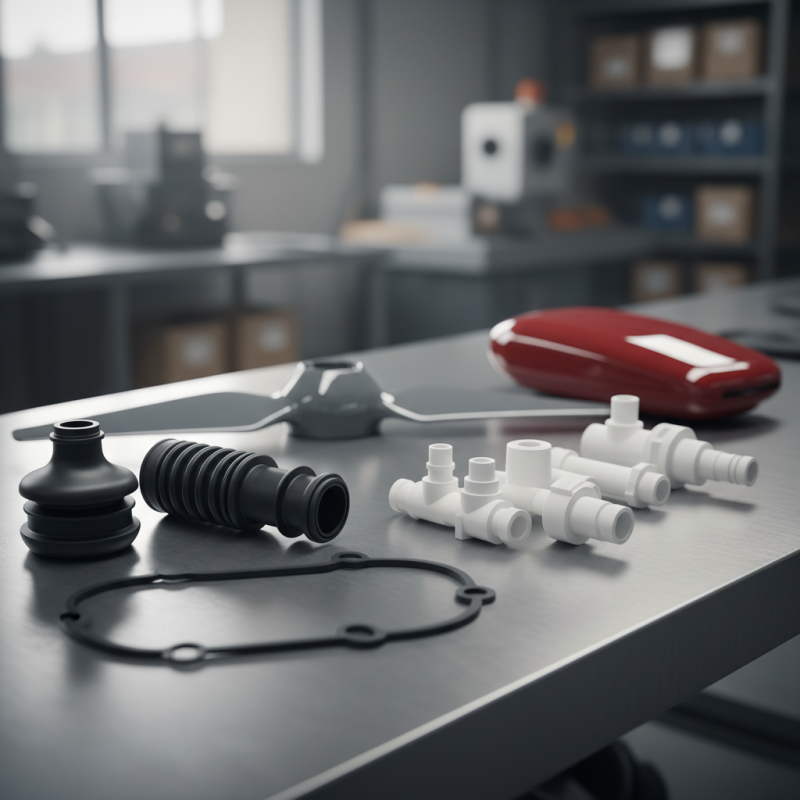
What is Molded Rubber and Plastic?
Molded rubber and plastic are vital materials in various industries. They are created through precise manufacturing processes. Molded rubber typically involves heating raw materials in a mold. This forms durable and flexible products. Plastic follows a similar method but varies in materials and properties. The final products can be soft, rigid, or even elastic.
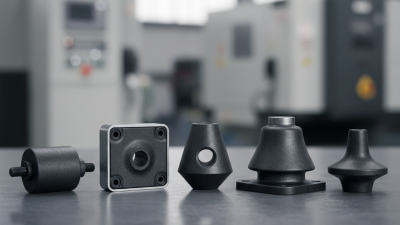
These materials serve countless applications. In automotive industries, molded rubber components such as gaskets and seals ensure a proper fit. Furthermore, their resistance to water and heat makes them ideal for automotive use. Plastics are prevalent in consumer goods, electronics, and medical devices. They can be engineered for specific properties, enhancing performance.
Despite their advantages, there are challenges to consider. Quality control can be tricky in large batches. Variations in temperature can affect the final product. Moreover, not all molded items are environmentally friendly. Recycling options for some plastics are limited. These aspects warrant careful consideration during production and use.
Applications of Molded Rubber in Various Industries
Molded rubber is crucial in many industries. Its flexibility and durability make it ideal for various applications. In the automotive sector, molded rubber forms gaskets and seals. These components help to prevent leaks and reduce noise. They ensure that vehicles run smoothly under different environmental conditions.
In the medical industry, molded rubber plays a significant role. It is used in making gloves, syringes, and seals for medical devices. These products require high standards of hygiene and reliability. Rubber's biocompatibility makes it suitable for direct contact with patients. However, challenges arise in ensuring consistent quality and safety.
Another significant application is in the construction sector. Molded rubber products are used in vibration isolation systems. They help absorb shocks and reduce noise levels in buildings. This is vital for creating comfortable living and working environments. Despite its advantages, manufacturers must continually assess the materials' performance and adaptability to meet evolving industry needs.
Applications of Molded Plastic in Various Industries
Molded plastics play a crucial role across various industries. In automotive manufacturing, molded plastic parts are essential for lightweight designs. Reports indicate that lightweight materials can enhance fuel efficiency by up to 6%. This statistic highlights the importance of molded plastic in achieving sustainability goals. Interior components, such as dashboards and trims, often utilize advanced molded plastics for their durability and aesthetic appeal.
In the medical field, molded rubber and plastic are vital for creating precision components. Items like syringe bodies and various medical devices require high standards of hygiene and reliability. According to industry data, the global medical plastics market was valued at over $27 billion in 2022. Molded plastics ensure the production of safe and sterile products. Yet, the potential for quality variations remains a concern for manufacturers.
Electronics also benefit from molded plastic applications. Enclosures that protect sensitive components are often made from molded materials. These cases not only provide durability but also help in heat management. Industry analysts suggest that molded plastics will continue to replace metals in electronic products due to their lightweight nature. However, the challenge of achieving uniformity in production persists. Some companies still struggle with maintaining the perfect consistency in material properties.
Advantages of Using Molded Rubber and Plastic in Manufacturing
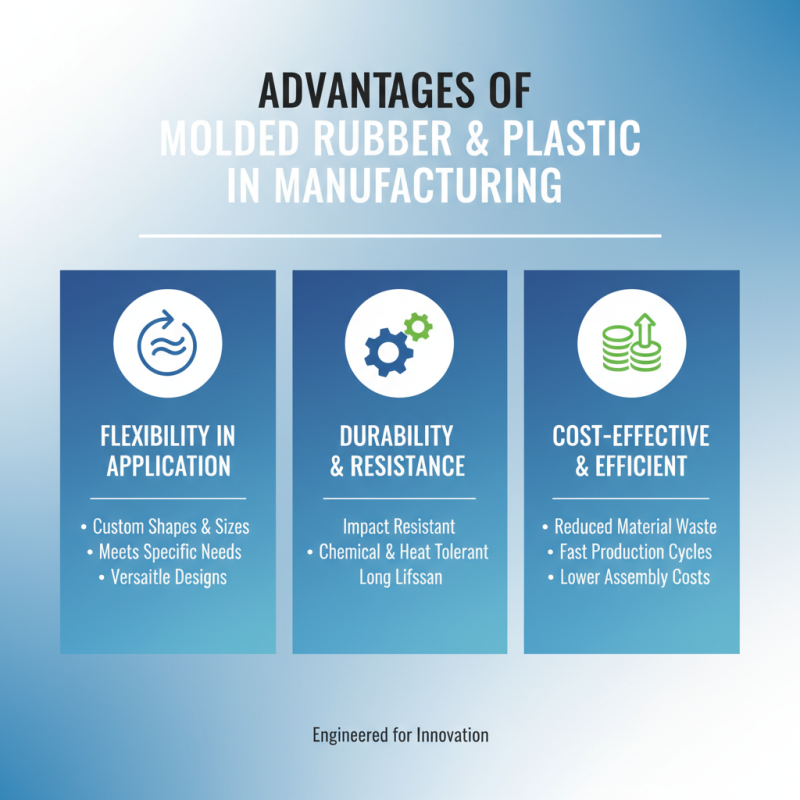
Molded rubber and plastic are essential materials in various industries. Their advantages in manufacturing make them popular among engineers and designers. One key benefit is their flexibility in application. Molded components can be designed to meet specific requirements. This adaptability allows for intricate shapes and sizes, fitting various industrial needs.
Another advantage is durability. Molded rubber and plastic resist wear, heat, and chemicals. This resistance can lead to longer service life for products. For manufacturers, this means less time and money spent on replacements. The lifespan of these materials can sometimes exceed that of metal parts, providing significant cost savings.
Tip: When selecting molded rubber or plastic, consider the specific conditions they will face. Temperature, pressure, and exposure to chemicals are critical factors.
Additionally, molded rubber and plastic are often lighter than metal, which can reduce shipping costs. Their lightweight nature contributes to overall efficiency in production processes. Still, manufacturers should reflect on the environmental impact of plastic production. Using recycled materials might mitigate some of the negative effects.
Tip: Regularly evaluate your material choices. Innovative alternatives could lead to better sustainability practices in your manufacturing process.
Challenges and Considerations in Molded Rubber and Plastic Production
Molded rubber and plastic play an essential role in various industries, from automotive to consumer goods. The production of these materials comes with several challenges and considerations that can significantly impact quality and efficiency. According to industry reports, defects in molding processes can lead to production costs rising by over 15%. This statistic highlights the importance of precise engineering and quality control measures.
Another critical aspect is material selection. Different applications require specific types of rubber and plastic, each with unique properties. For instance, thermoplastic elastomers often offer better flexibility and durability compared to traditional rubber. Selecting the right material can prevent issues later in the production line, such as poor adhesion or low resistance to heat. Data indicates that improper material choice can lead to failures in up to 30% of molded parts.
Environmental factors also present challenges. Variations in temperature and humidity can influence the curing process of rubber and plastics. Maintaining consistent conditions is vital for achieving the desired properties in the finished product. Companies often invest in advanced monitoring systems to track these variables. Yet, despite these technologies, fluctuations can still lead to unexpected outcomes, reminding us of the unpredictable nature of material processing.