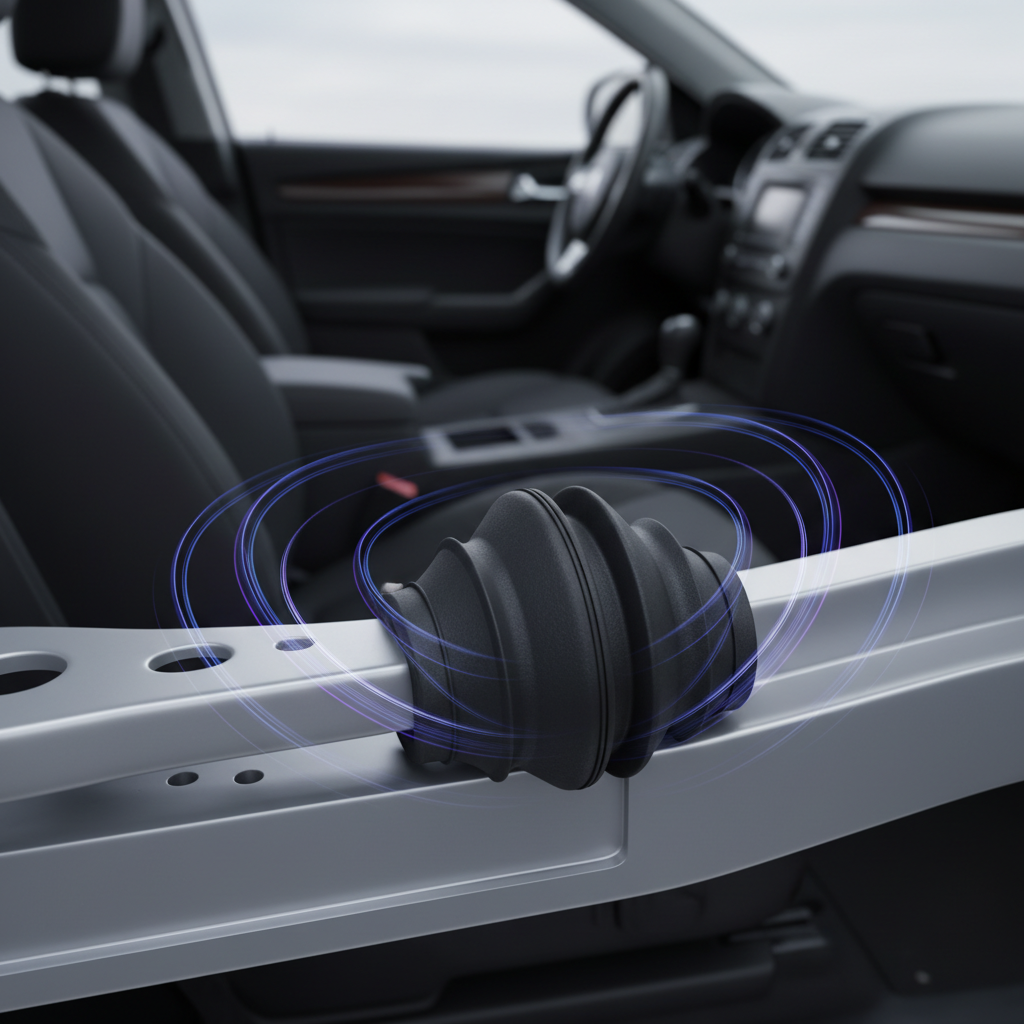
Top 5 Benefits of Rubber Bump Stops for Enhanced Vehicle Performance
In the realm of automotive performance, enhancing ride quality and handling is paramount for both enthusiasts and everyday drivers alike. According to industry expert John Smith, a renowned engineer specialized in suspension systems, "Rubber Bump Stops play a crucial role in minimizing the impact of road irregularities, ensuring a smoother driving experience." This statement underscores the pivotal function of Rubber Bump Stops in modern vehicles, where they are designed to absorb shocks and prevent excessive travel in suspension components.
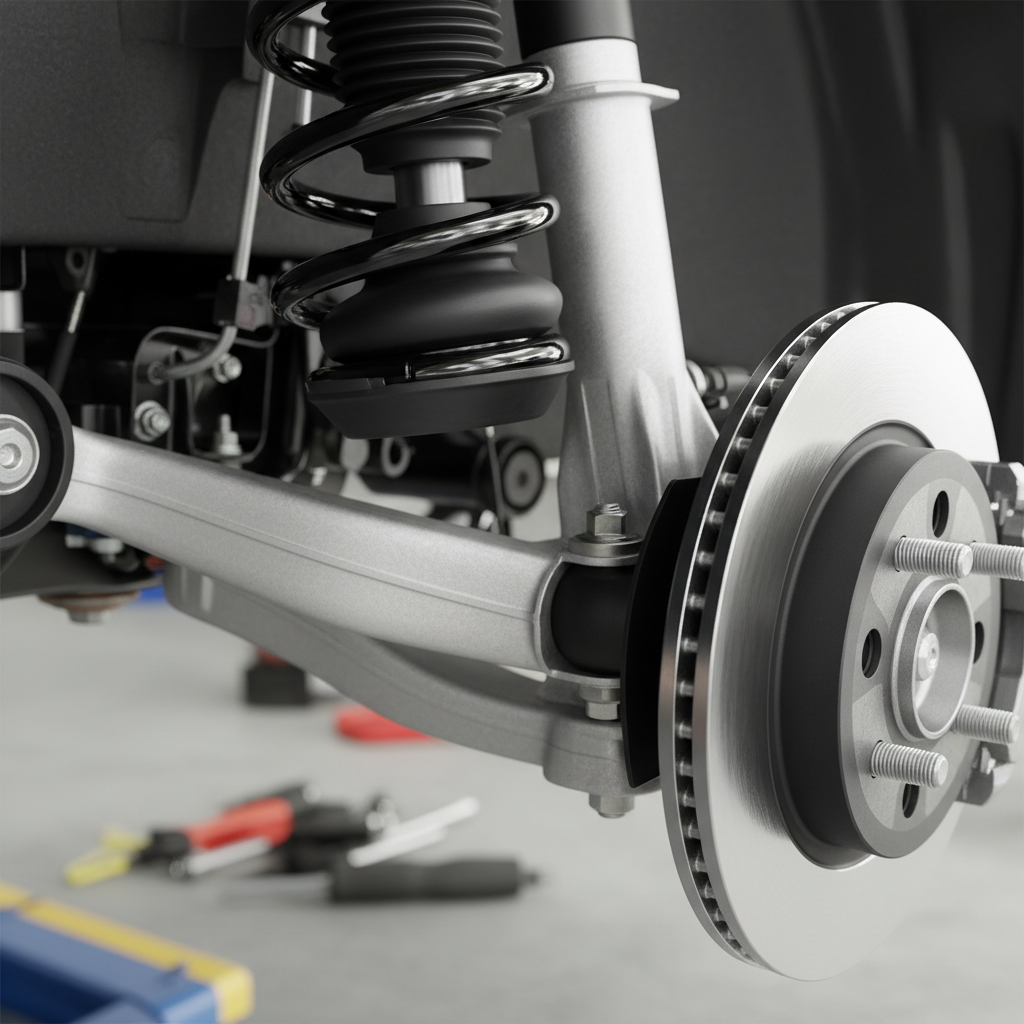
As vehicles continue to evolve with more complex suspension systems, the importance of incorporating high-quality Rubber Bump Stops cannot be overstated. They not only enhance control and stability but also extend the lifespan of several key suspension components. In this article, we will delve into the top five benefits of Rubber Bump Stops, exploring how these essential components contribute to an overall improved vehicle performance, safety, and comfort. Understanding their advantages will empower drivers to make informed decisions when considering upgrades or replacements for their vehicle's suspension system.
Maximizing Shock Absorption: How Rubber Bump Stops Improve Suspension Systems
Rubber bump stops play a crucial role in enhancing the performance of a vehicle's suspension system by maximizing shock absorption. When a vehicle encounters bumps or uneven surfaces, the suspension system compresses to absorb the impact.
Rubber bump stops provide an additional layer of cushion during this compression, effectively minimizing the force transmitted to the vehicle’s chassis. By absorbing these shocks, rubber bump stops help maintain the integrity of the vehicle's components and improve overall ride quality.
Additionally, the use of rubber bump stops extends the lifespan of both the suspension and the vehicle itself. Without adequate bump stops, excessive shock loads can lead to premature wear and tear on critical suspension parts, resulting in costly repairs.
Furthermore, rubber bump stops assist in maintaining proper alignment and control, enhancing handling performance during dynamic driving conditions. This not only contributes to a smoother ride but also ensures safety by improving the vehicle's stability, particularly during cornering or sudden maneuvers.
Enhancing Vehicle Handling: The Impact of Rubber Bump Stops on Cornering Performance
Rubber bump stops play a crucial role in enhancing vehicle handling, particularly during cornering maneuvers. By limiting the suspension travel, these components ensure that the vehicle remains stable and composed when navigating tight turns. The ability to absorb impacts and dampen vibrations significantly reduces body roll, allowing drivers to maintain better control over their vehicles. This enhanced stability is vital for both performance-driven cars and everyday vehicles, making every corner a more predictable and manageable experience.
Moreover, rubber bump stops contribute to improved tire contact with the road surface, which is essential for effective traction. When a vehicle corners, the weight shifts; rubber bump stops help manage this weight transfer more effectively. This control not only enhances grip but also reduces tire wear, resulting in longer-lasting performance. In essence, these components are key to optimizing cornering dynamics, making them an essential consideration for anyone looking to boost their vehicle's overall driving experience.
Durability Matters: The Lifespan of Rubber Bump Stops Compared to Metal Alternatives
When it comes to the longevity and stability of vehicle components, durability is paramount.
Rubber bump stops have gained significant attention for their superior lifespan compared to metal alternatives. While metal bump stops may initially provide a robust solution, they are prone to wear and tear due to fatigue and environmental factors.
On the other hand, rubber bump stops are engineered to absorb impacts effectively, allowing them to maintain their integrity over time, even under strenuous driving conditions.
Moreover, the flexibility of rubber offers additional benefits that enhance overall vehicle performance. Unlike metal, which can become rigid and brittle, rubber adapts to various terrains and loads, providing a cushion that minimizes shock and vibration.
This adaptability not only extends the lifespan of the bump stops themselves but also contributes to the longevity of surrounding components, reducing the likelihood of costly repairs.
Thus, choosing high-quality rubber bump stops over metal options can lead to a more durable, resilient, and high-performing vehicle.
Noise Reduction and Vibration Control: The Acoustic Benefits of Rubber Bump Stops
Rubber bump stops are essential components in automotive design, particularly when it comes to enhancing acoustic performance. One of the primary benefits of these stops is their ability to significantly reduce noise during operation. The elastic characteristics of rubber allow it to absorb and dissipate sound waves that would otherwise contribute to an unpleasant driving experience. By effectively dampening vibrations that travel through the vehicle structure, rubber bump stops create a quieter cabin environment, making long journeys more comfortable for both drivers and passengers.
In addition to noise reduction, rubber bump stops play a crucial role in vibration control. They act as a buffer between the suspension system and the vehicle's frame, minimizing the impact of road irregularities and mitigating the transfer of vibrations. This control not only improves ride comfort but also enhances the overall driving dynamics, allowing for more stable and predictable handling. As a result, incorporating rubber bump stops into vehicle design represents a strategic approach to enhancing performance while ensuring a serene driving experience free from disruptive noise and vibrations.
Cost-Effective Performance: Evaluating the ROI of Upgrading to Rubber Bump Stops
Upgrading to rubber bump stops can deliver substantial benefits for vehicle performance, especially when considering return on investment (ROI). According to a recent report by the Automotive Research Council, vehicles equipped with advanced rubber bump stops can improve suspension response by up to 25%, leading to enhanced handling and ride comfort. By efficiently absorbing shocks and minimizing rebound, rubber bump stops reduce the wear and tear on suspension components, which can significantly prolong the lifespan of the vehicle. This translates to lower maintenance costs over time, underscoring the cost-effective nature of this upgrade.
Tip: Regular inspections of bump stops can help you identify wear early. Replacing worn-out stops can prevent complications that might arise from overlooked damage, leading to costly repairs.
Moreover, the economic benefits of upgrading to rubber bump stops extend beyond maintenance. The same study highlights that vehicles with superior bump stop technology also tend to have improved fuel efficiency, as efficient suspension systems allow for better tire contact with the road. In fact, vehicles optimized with quality bump stops saw fuel savings of up to 10% compared to those using standard components. This makes the investment in rubber bump stops not only smart but also sustainable.
Tip: Consider discussing with your mechanic about the specific rubber bump stops that offer the best performance for your vehicle type to maximize both safety and efficiency.