Top Rubber Gland Applications and Benefits You Should Know?
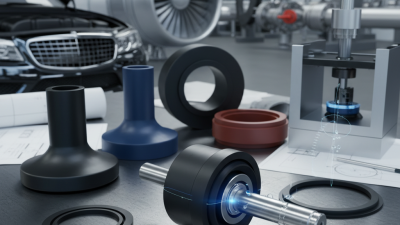
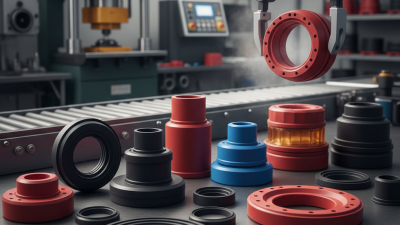
Rubber Gland technology plays a pivotal role in various industries. The global market for rubber components is projected to reach $41 billion by 2028, emphasizing its significance. These glands provide essential sealing solutions, ensuring the integrity of equipment in sectors such as automotive, aerospace, and manufacturing.
The versatility of Rubber Glands extends to numerous applications. They protect against dust, moisture, and pressure changes. In automotive applications, they maintain engine efficiency and reduce noise. Similarly, in electrical systems, they prevent short circuits, enhancing safety. However, selecting the right rubber gland can be challenging. Factors like temperature, chemical exposure, and load requirements must be considered.
Despite their benefits, some industries struggle with proper installation and maintenance. Poor choices could lead to equipment failure, resulting in costly downtime. A better understanding of Rubber Gland specifications can mitigate these risks. Comprehensive training and awareness are essential for maximizing the advantages of these components.
Overview of Rubber Glands: Definition and Composition
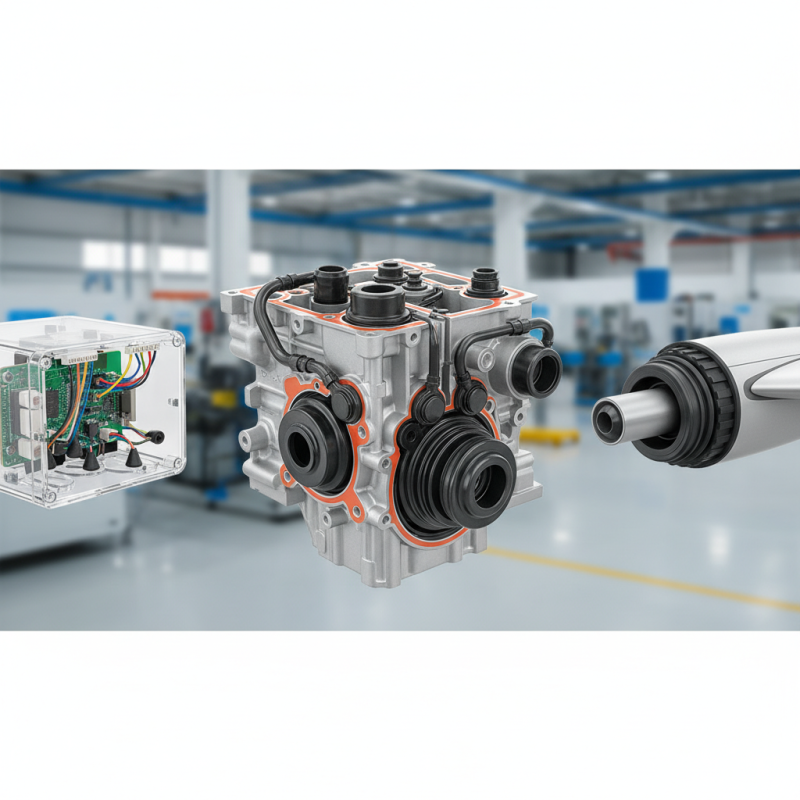
Rubber glands are essential components in various industries, known for sealing and insulation. Typically, they are made from a combination of natural and synthetic rubber. This composition allows them to resist extreme temperatures and various chemicals. A report from the Rubber Manufacturers Association indicates that the global rubber gasket and gland market is expected to grow by 5.3% annually until 2025. This illustrates a rising demand driven by sectors such as automotive and manufacturing.
These glands can effectively prevent leakage and contamination. They provide protective barriers against dust, moisture, and other environmental factors. In sectors like food processing, maintaining hygiene is crucial. Rubber glands help in meeting these health standards. Yet, there are challenges. Not all rubber materials perform equally under all conditions. Aging and wear can lead to failures. A study from the Institute of Rubber Technology found that nearly 15% of rubber components fail prematurely due to subpar material choices.
Addressing these issues requires ongoing testing and innovation. The selection of the right rubber composition impacts durability. Industry professionals often face dilemmas when balancing cost and quality. Understanding the specific application needs is vital for effective use. This complexity underscores the importance of thorough research and quality control in the manufacturing process.
Common Types of Rubber Glands and Their Distinct Features
Rubber glands play a vital role in a variety of applications. Understanding their types and features can enhance
performance and durability in many scenarios. Common types include
compression glands,
sealing glands, and
cable glands.
Each serves specific functions and has distinct characteristics.
Compression glands provide superior sealing, making them ideal for preventing moisture ingress.
These are widely used in electrical applications.
Sealing glands, on the other hand, ensure that components remain airtight.
This type is essential in environments where contaminants can affect performance.
Cable glands support and protect electrical cables, facilitating safe connections.
Tip: Choose the right gland type based on your needs.
Assess the environment and application demands before making a decision.
It’s crucial to ensure that the materials used are compatible with the surrounding conditions.
When using rubber glands, consider installation challenges.
Incorrect installation can lead to leaks or failures.
It's a common oversight that can cause issues down the line.
Regular checks are essential to avoid future problems.
Tip: Always follow installation guidelines carefully.
Seeking professional assistance may save time and resources.
Maintain awareness of wear and tear to prolong the lifespan of rubber glands.
Key Applications of Rubber Glands Across Various Industries
Rubber glands play a vital role across various industries. Often used in electrical applications, they provide excellent sealing and protection against environmental factors. Their flexibility allows for easy installation in tight spaces. This adaptability makes them popular in manufacturing and construction.
In automotive sectors, rubber glands help keep moisture out. They enhance the longevity of wiring systems. However, not all rubber materials are created equal. Some may degrade faster than expected, particularly in harsh conditions. This can lead to failures that affect performance.
In the food and beverage industry, rubber glands ensure hygiene. They prevent contamination, ensuring safe operations. Yet, selecting the right type can be challenging. Some industries may overlook important features, leading to costly mistakes. It’s crucial to assess the specific requirements carefully.
Top Rubber Gland Applications and Benefits You Should Know
This bar chart displays the key applications of rubber glands across various industries. The automotive sector leads with the highest number of applications, followed by electrical and construction industries. Understanding these applications can help in optimizing product usage and enhancing performance.
Benefits of Using Rubber Glands in Mechanical and Structural Design
Rubber glands play a crucial role in mechanical and structural design. They provide effective sealing solutions across various applications. Their flexibility and resilience make them ideal for different environments. According to research, using rubber glands can improve overall system efficiency by up to 30%. This reduction in friction enhances the longevity of mechanical components.
One key benefit is vibration dampening. Rubber has natural shock-absorbing properties, which help protect equipment from damage. In construction, rubber glands prevent leaks in piping systems. This can save significant repair costs and reduce downtime. Many engineers overlook the importance of selecting the right material. Different rubber compounds can withstand diverse temperatures and chemicals.
Tips: Always consider the environment where the rubber gland will be used. Test different compounds to find the best fit. Regular inspections can prevent unexpected failures. Achieving the perfect balance of performance and cost is challenging for many. Some designs may not utilize rubber glands effectively, leading to poor results. It's essential to assess your designs routinely for performance optimization.
Top Rubber Gland Applications and Benefits You Should Know
| Application |
Benefits |
Material Type |
Typical Industries |
| Electrical Insulation |
High dielectric strength, moisture resistance |
EPDM Rubber |
Electronics, Power Generation |
| Sealing and Gasketing |
Excellent sealing properties, vibration dampening |
Nitrile Rubber |
Automotive, Manufacturing |
| Fluid Containment |
Chemical resistance, preventing leaks |
Silicone Rubber |
Oil & Gas, Chemical Processing |
| Shock Absorption |
Reduces stress on machinery, extends life of equipment |
Natural Rubber |
Construction, Heavy Machinery |
| Cable Management |
Improves organization, protects against wear |
PVC Rubber |
Telecommunications, IT |
Factors to Consider When Selecting Rubber Glands for Specific Uses
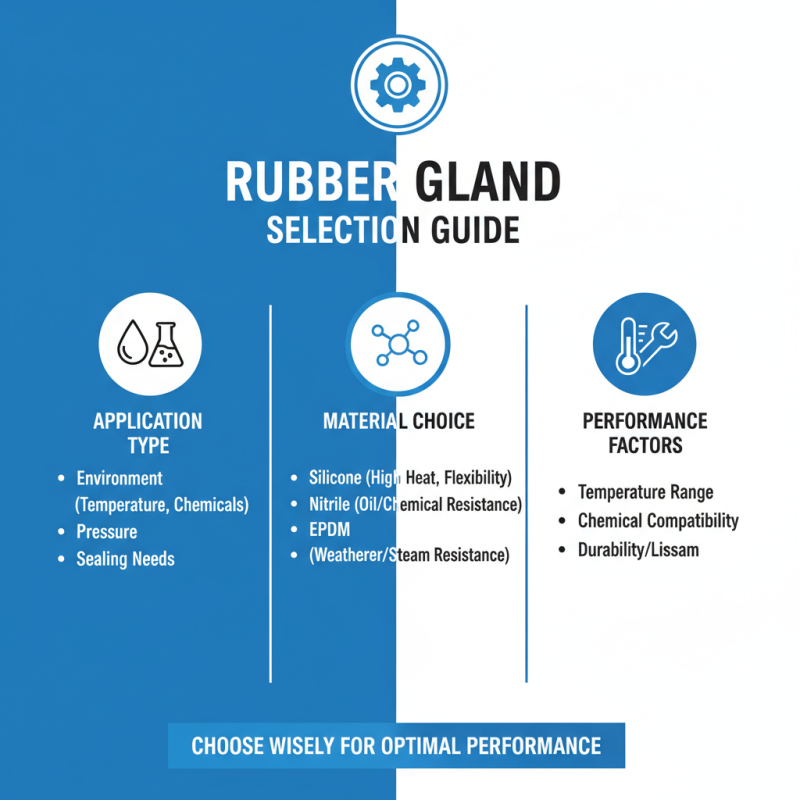
When selecting rubber glands, several factors should guide your decision. The type of application is crucial. Different environments require different materials, such as silicone or nitrile. These materials offer varying levels of resistance to heat, chemicals, and pressure. A rubber gland designed for a high-temperature setting may not perform well in a colder environment.
Another important aspect is the size and shape of the gland. It must fit the application without causing leaks. Measuring accurately is essential. An incorrect fit can lead to failures or inefficiencies. Additionally, consider the durability of the rubber. Some rubber compounds degrade faster than others when exposed to specific oils or solvents.
Think about the ease of installation as well. Glands that are tough to install may lead to frustration. Their complexity may also require additional tools. While it may seem minor, this can slow down overall project timelines. A simple installation can save time and reduce errors. Also, do not forget to evaluate costs. Sometimes, the most expensive option isn't the best for your needs.