Why is Rubber Gland Essential for Sealing and Protection in Various Industries?
The rubber gland plays a crucial role in various industries, serving as a vital component for sealing and protection. According to a report by Grand View Research, the global rubber sealing market is expected to reach $70 billion by 2025. This growth emphasizes the increasing reliance on effective sealing solutions like rubber glands.
Industries such as automotive, aerospace, and oil & gas face substantial challenges in ensuring safety and efficiency. A well-functioning rubber gland can significantly reduce the risk of leaks and environmental hazards. For instance, in the oil and gas sector alone, a single failure can lead to catastrophic outcomes, impacting both safety and profitability.
However, the selection of rubber materials for glands is not always straightforward. While many manufacturers claim to offer high-quality solutions, inconsistencies in material performance can lead to failures. This highlights the need for rigorous testing and quality assurance. Gaps in understanding the long-term behavior of rubber materials under stress can result in costly downtime and repairs. As industries continue to evolve, the demand for reliable rubber glands remains essential, underscoring their importance in maintaining operational integrity.
The Role of Rubber Glands in Industrial Sealant Systems
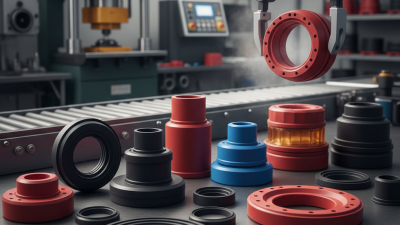
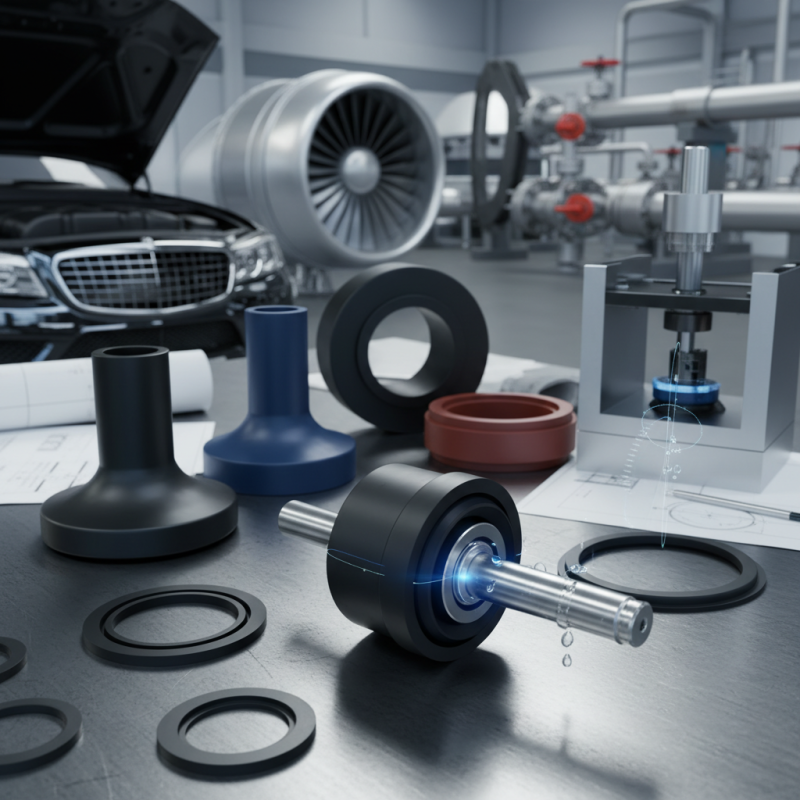
Rubber glands play a crucial role in industrial sealant systems. They provide an effective barrier against dust, moisture, and contaminants. In manufacturing, these seals prevent leakage and improve equipment longevity. They can handle various environmental factors, including temperature and pressure changes. This adaptability makes rubber glands vital across different applications.
In automotive industries, rubber glands are often used in engines. They protect sensitive components from external elements. However, choosing the right type is not always straightforward. Many engineers face challenges selecting materials that can withstand extreme conditions. It’s not just about durability; compatibility with other materials matters too.
Inspecting rubber seals regularly is essential for optimal performance. Wear and tear can compromise their effectiveness. Without proper maintenance, even the best seals can fail. Industrial settings often overlook this, leading to costly downtimes. Regular assessments can help ensure that rubber glands function as intended. These small details can make a significant impact on overall operations.
Why is Rubber Gland Essential for Sealing and Protection in Various Industries?
| Industry |
Application |
Material Used |
Temperature Resistance |
Sealing Type |
| Automotive |
Gasket Sealing |
EPDM Rubber |
-40°C to 120°C |
Static |
| Oil & Gas |
Flange Sealing |
Nitrile Rubber |
-30°C to 100°C |
Dynamic |
| Pharmaceutical |
Vial Sealing |
Silicone Rubber |
-50°C to 200°C |
Static |
| Construction |
Window Sealing |
SBR Rubber |
-20°C to 80°C |
Static |
| Food & Beverage |
Hygienic Sealing |
FDA Approved Rubber |
-40°C to 120°C |
Static |
Types of Rubber Glands and Their Applications Across Industries
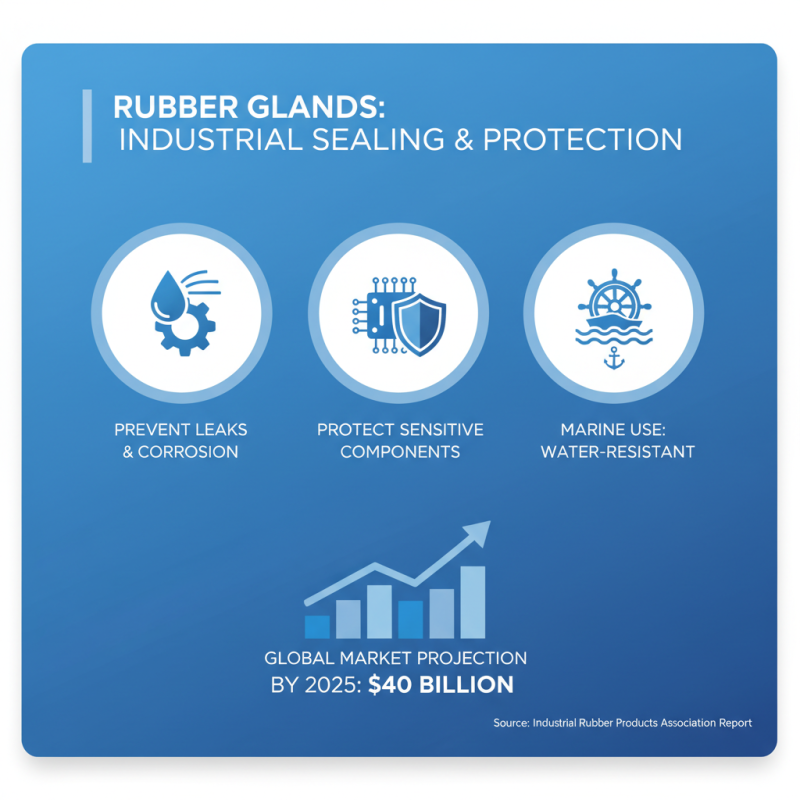
Rubber glands play a crucial role in various industries by ensuring effective sealing and protection. They prevent leaks and protect sensitive components from external elements. Different types of rubber glands cater to specific needs. For example, water-resistant rubber glands are widely used in marine applications. They withstand saltwater, which can cause severe corrosion. According to a report by the Industrial Rubber Products Association, the global market for rubber sealing products is projected to reach $40 billion by 2025.
In the automotive industry, rubber glands provide essential sealing for wiring and connectors. These glands keep out moisture, dirt, and other contaminants. A study indicates that poor sealing can lead to increased maintenance costs. Industrial machinery also benefits from rubber glands. They shield critical components from dust and humidity. However, not all rubber glands are created equal. Some may degrade faster in high-temperature environments, leading to failures. This highlights the importance of selecting the right material for specific applications.
Rubber glands used in electrical applications ensure safety and reliability. They comply with industry standards, yet some might not meet stringent requirements. Regular inspection is vital to ensure their effectiveness. In the aerospace sector, rubber glands must endure extreme conditions. They need to resist ozone and chemical exposure. Different industries require tailored solutions, and understanding these needs is essential. Ultimately, choosing the right type of rubber gland can make a significant difference in performance and longevity.
Benefits of Using Rubber Glands for Protection Against Environmental Factors
Rubber glands play a pivotal role in various industries, providing essential sealing and protection against environmental factors. They effectively guard against dust, moisture, and chemicals. In manufacturing plants, rugged machinery often faces harsh conditions. The use of rubber glands minimizes the risk of contamination, ensuring that operations run smoothly and efficiently.
In addition to their protective qualities, rubber glands improve safety. Leaks or breaches can lead to accidents or equipment failures. By incorporating rubber glands, companies can prevent potential hazards. Yet, not all rubber glands perform equally. Some may degrade faster when exposed to extreme temperatures or chemicals. It's important to select the right type for specific environments.
Moreover, regular maintenance is crucial to ensure the longevity of rubber glands. Inspections should be routine, checking for signs of wear or damage. However, many overlook this aspect, leading to unforeseen challenges. Understanding the unique demands of each application helps in choosing the most suitable gland. This careful approach can significantly enhance reliability across various industries.
Comparative Analysis: Rubber Glands vs. Other Sealing Solutions
Rubber glands play a critical role as sealing solutions across various industries. Their flexibility and durability make them a preferred choice. A recent report from the Sealing Industry Association noted that rubber gaskets and seals account for over 45% of the global sealing market. This figure highlights the reliance on rubber components for protection against moisture, dust, and other contaminants.
In comparison to alternatives like metal or plastic seals, rubber glands offer distinct advantages. Rubber can adapt better to temperature changes and provides a tighter seal. A study published by the Material Science Journal showed that rubber seals can last up to 30% longer under extreme conditions than their metal counterparts. However, some manufacturers still overlook these benefits, often opting for cheaper alternatives without considering long-term implications.
Tips: Always assess the specific needs of your application. Consider temperature requirements and exposure to chemicals. Choosing the right material can prevent costly failures later. Conducting thorough tests can also shed light on potential weaknesses in your sealing solution. Embrace the possibility that a small change in seal design might lead to significant improvements in overall performance.
Best Practices for Installing and Maintaining Rubber Glands in Equipment
Rubber glands serve a crucial role in sealing and protecting sensitive equipment across various industries. Proper installation is key. Start by ensuring the surface is clean and free from debris. Use the right tools to avoid damaging the gland. Check for wrinkles or unevenness during installation. This step is vital for maintaining a tight seal.
Regular maintenance cannot be overlooked. Inspect rubber glands often for signs of wear or damage. Fraying may lead to leaks, which can harm equipment. Replace any damaged glands immediately to avoid larger issues. Keeping a maintenance log can help track the condition of rubber glands. Don’t ignore small problems; they can escalate.
Environmental factors can also affect rubber glands. Temperature fluctuations may cause hardening or brittleness. In humid environments, molds can form, risking the integrity of the seal. So, adjusting maintenance routines based on specific conditions is essential. With diligence, the longevity of rubber glands can be significantly enhanced.