Exploring the Science Behind Rubber Shock Mounts: Enhancing Audio Clarity with Innovative Design
In the realm of audio engineering, achieving clarity and precision in sound reproduction is paramount. One innovative solution that has gained significant attention is the use of Rubber Shock Mounts. According to a recent report by the Audio Engineering Society, improper handling and environmental vibrations can introduce unwanted noise, compromising the fidelity of recordings.
 Rubber Shock Mounts are engineered to absorb these vibrations, effectively isolating microphones and other sensitive audio equipment from external disturbances. By providing an industry-standard means of enhancing audio quality, these mounts not only help in reducing noise levels by up to 20 dB but also contribute to longer equipment lifespan and improved overall performance. As we explore the science behind Rubber Shock Mounts, we will uncover how their unique design intricacies can transform audio experiences, making them indispensable tools for professionals and enthusiasts alike.
Understanding the Role of Rubber Shock Mounts in Professional Audio Equipment
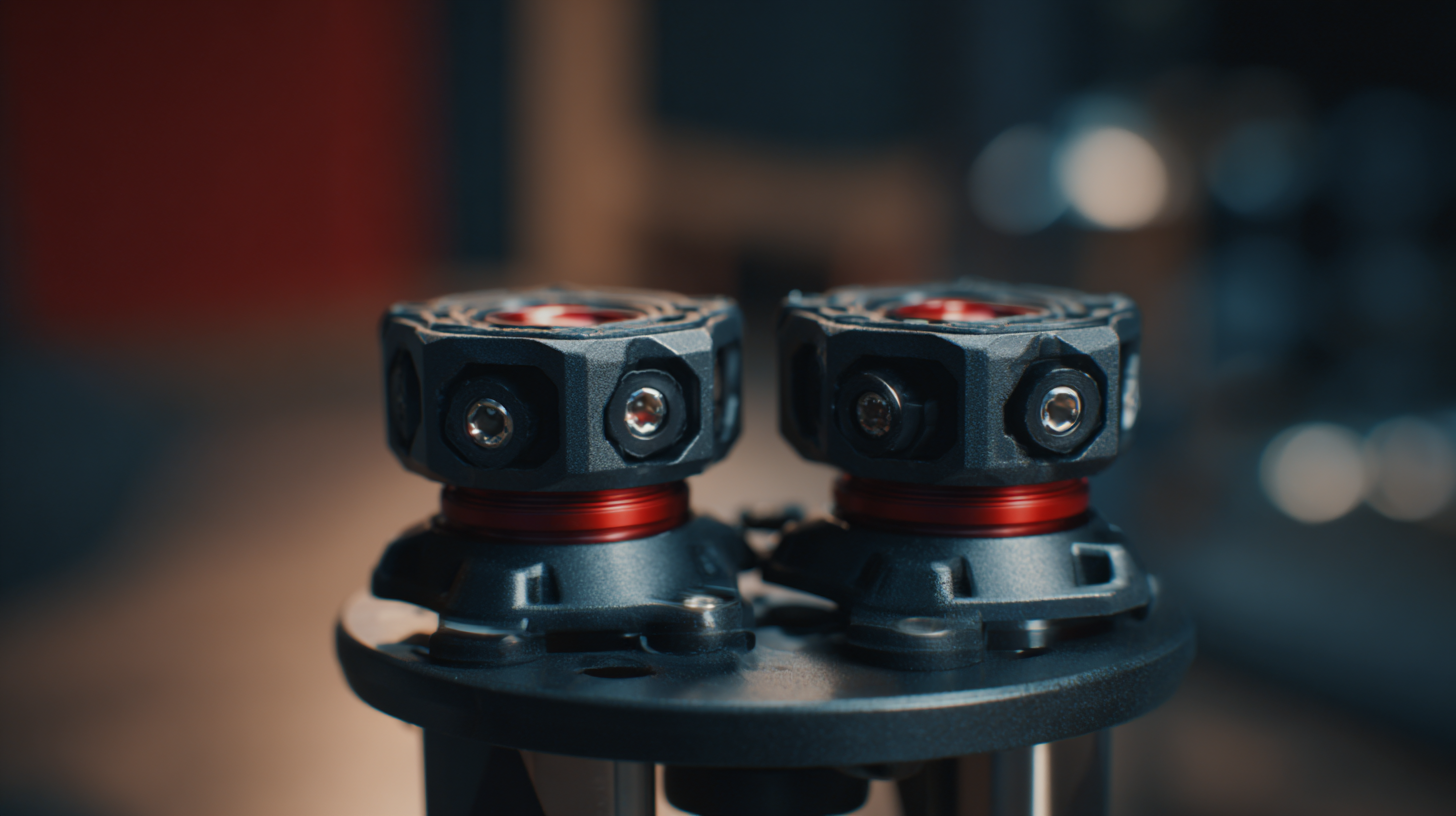
Rubber shock mounts play a crucial role in professional audio equipment by isolating microphones from unwanted vibrations and handling noise. These mounts are designed to absorb shocks and minimize the transmission of sound waves that can interfere with the audio signal. By using a combination of rubber and elastic materials, these mounts effectively dampen low-frequency disturbances, ensuring that the captured audio remains clear and free from extraneous noise. This isolation is particularly vital in recording settings where environmental sounds or mechanical vibrations from nearby equipment can compromise the integrity of the desired audio.
The innovative design of rubber shock mounts not only enhances audio clarity but also improves the overall recording experience for sound engineers and musicians. Properly implemented, these mounts can lead to a substantial reduction in background noise, allowing the true qualities of a voice or musical instrument to shine through. As technology advances, the materials and designs of rubber shock mounts continue to evolve, providing even greater stability and performance in various recording environments, from studio settings to live performances. This focus on effective sound isolation contributes to the high standards of audio quality that professionals strive for today.

Analyzing Frequency Response Improvements with Rubber Shock Mount Designs
Rubber shock mounts play a crucial role in enhancing audio clarity by effectively isolating microphones and other audio equipment from unwanted vibrations. Recent studies indicate that these mounts significantly improve frequency response, creating a more accurate representation of sound. For instance, a report from the Acoustical Society of America highlights that rubber shock mounts can reduce the transmission of vibrations by up to 90%, which is pivotal for high-fidelity recordings. This reduction in vibration interference allows audio professionals to capture clearer, more detailed sound, ultimately elevating the overall production quality.
Furthermore, drawing parallels from aerospace technology, where unmanned aerial vehicles (UAVs) experience random vibrations due to fluctuating flight conditions, we can appreciate the importance of vibration isolation in various fields. Just as robust mounts can enhance the performance of sensitive equipment like LiDAR in UAVs, audio shock mounts deliver similar benefits for recording devices. By dampening unpredictable vibrations, especially in dynamic environments, these innovative designs ensure that crucial frequency ranges remain unaltered, yielding recordings that truly reflect the original sound. As the industry continues to explore advancements in material science, we can expect further improvements in rubber shock mount designs, pushing the boundaries of audio clarity.
Measuring Vibration Isolation: The Technical Benefits of Rubber Over Metal Mounts
Rubber shock mounts are essential components in audio recording and production, primarily due to their superior vibration isolation capabilities compared to metal mounts. Metal, while strong and durable, tends to transmit vibrations more efficiently, allowing disturbances from the surroundings to interfere with the audio signal. In contrast, rubber's inherent elastic properties enable it to absorb and dissipate energy from vibrations, leading to clearer sound recordings. The ability of rubber mounts to decouple microphones and other audio equipment from physical vibrations significantly enhances audio clarity, making them a preferred choice in professional settings.
In measuring vibration isolation, several technical parameters come into play, including natural frequency and damping ratio. Rubber mounts typically feature a lower natural frequency, which is advantageous as it allows for the absorption of lower frequency vibrations that could otherwise muddy the audio. Furthermore, the viscoelastic nature of rubber provides a higher damping ratio, which helps in reducing oscillations after initial disturbances. This means that once a vibration is introduced, rubber mounts can return to their equilibrium position more rapidly than their metal counterparts, minimizing the impact on audio quality. This combination of design and material properties underscores the significant technical benefits of rubber-based shock mounts in achieving optimal audio performance.
Comparative Studies on Shock Mount Performance: Industry Standards and Data Insights
The performance of rubber shock mounts plays a pivotal role in audio recording, particularly in professional settings where clarity is paramount. Comparative studies have highlighted essential industry standards that dictate the performance benchmarks of various shock mount designs. These studies typically evaluate factors such as vibration isolation efficiency, frequency response, and overall durability, providing valuable data insights that inform both manufacturers and users about the effectiveness of different models.
Recent advancements in shock mount technology have introduced innovative designs aimed at minimizing unwanted noise while enhancing audio fidelity. Research indicates that mounts featuring multi-layered rubber compounds exhibit superior performance in dampening vibrations across a broader frequency range. Additionally, studies have shown that products designed with adjustable tension systems allow for greater customization, catering to specific recording environments. By analyzing this data, audio engineers can choose shock mounts that not only meet but exceed industry standards, ultimately leading to improved recording quality and professional sound production.
Shock Mount Performance Comparison
Innovations in Material Science: How New Rubber Formulations Enhance Shock Mount Efficiency
Rubber shock mounts play a crucial role in enhancing audio clarity by effectively isolating microphones and other acoustic equipment from vibrations and unwanted noise. Recent advancements in material science have led to innovative rubber formulations that significantly improve the efficiency of these mounts. By integrating new compounds with better elasticity and durability, manufacturers can produce shock mounts that not only absorb shocks more effectively but also contribute to a clearer and more defined sound.
As the Vulcanised Solid Rubber Market is projected to grow significantly in the coming years, we are likely to see more research and development focused on high-performance rubber materials. These advancements could lead to the introduction of shock mounts that offer enhanced acoustic properties, providing professionals in the audio industry with tools to achieve superior sound quality. The blending of science and engineering in this field continues to drive innovation and improve product offerings.
Tips: When selecting a shock mount, consider the specific needs of your audio setup. Look for mounts that feature advanced rubber formulations for optimal performance. Additionally, investing in high-quality mounts can make a notable difference in audio clarity and recording quality, ensuring that your work meets professional standards.