What is a Rubber Sink Stopper and How Does It Work?
A Rubber Sink Stopper is a simple yet essential tool in every household. It plays a crucial role in keeping water contained in sinks. Dr. Emily Hart, a plumbing expert with over 15 years of experience, emphasizes its importance: "A reliable rubber sink stopper can save water and prevent messy spills."
The design of a Rubber Sink Stopper is straightforward. Typically made from flexible rubber, it fits snugly into the drain. When in place, it creates a watertight seal, allowing you to fill your sink for soaking dishes or other tasks. However, it can wear out over time. Frequent use or improper handling may lead to cracks or loss of elasticity.
Choosing the right Rubber Sink Stopper is important. Different sizes and shapes cater to various sink designs. Remember, not all stoppers work for all sinks. A poorly fitting stopper can lead to leaks or messy situations. Consider testing a few options to find the best fit for your needs. In the end, investing in a quality stopper will enhance your sink's functionality and longevity.
What is a Rubber Sink Stopper and Its Common Uses?
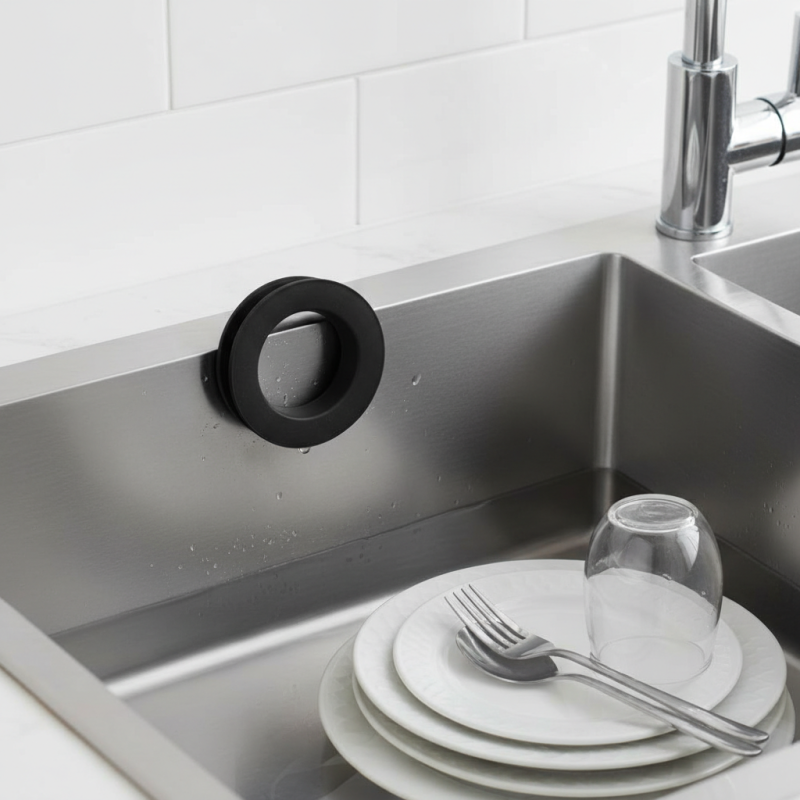
A rubber sink stopper is a versatile appliance used in various settings, such as kitchens and bathrooms. Its main function is to block the drain, allowing water to accumulate. This feature is particularly valuable when washing dishes or taking a bath. According to the Plumbing Manufacturers International (PMI), over 90% of households use some form of sink stopper, showcasing its widespread relevance.
Beyond simple drainage obstruction, rubber stoppers find utility in specific scenarios. For instance, they are often employed during home plumbing repairs. If a pipe bursts or needs maintenance, a rubber stopper can temporarily block access points in the plumbing system. This flexibility makes it an essential tool for both DIY enthusiasts and professional plumbers. Research indicates that improper sealing can lead to increased water wastage—around 1 trillion gallons annually in the U.S. alone.
However, stoppers do have limitations. Over time, they can wear out or lose elasticity, diminishing their effectiveness. Homeowners frequently overlook this issue, leading to potential leaks. Neglecting regular inspection can result in unnecessary water loss and increased bills. Addressing these concerns is crucial for maintaining an efficient and eco-friendly home. Thus, understanding the common uses and limitations of rubber sink stoppers is essential for effective home maintenance.
Materials and Design Principles of Rubber Sink Stoppers
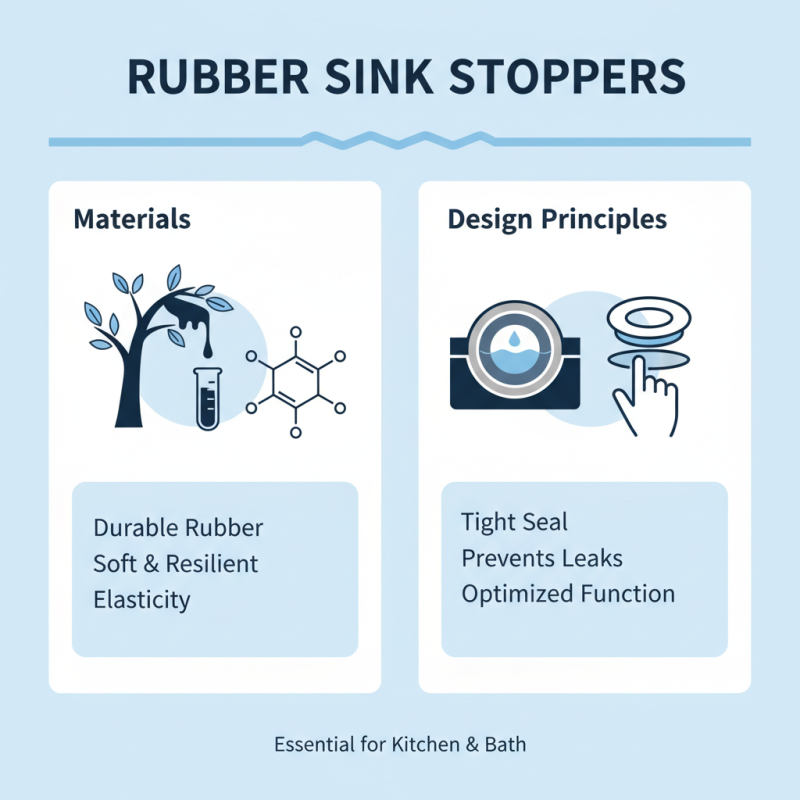
Rubber sink stoppers are essential tools for any kitchen or bathroom. Their effectiveness largely comes from the materials used in their design. Most commonly made from durable rubber, these stoppers are soft yet resilient. The elasticity of rubber allows the stopper to form a tight seal, preventing water from escaping. Each stopper’s design focuses on optimizing functionality and ease of use.
While the primary material is rubber, some designs incorporate additional elements. This can enhance grip or improve longevity. A rubber sink stopper may have a textured surface for a better hold, especially when wet. Some variations include a suction mechanism, which adds to their sealing capability. However, it’s essential to recognize that not all rubber is created equal. Factors like age, exposure to heat, and chemical agents can deteriorate the material over time. This can lead to loss of functionality, making regular checks necessary.
Choosing the right rubber sink stopper can be a bit challenging. Different designs serve various needs. For example, flat stoppers are great for bathtubs, while bell-shaped options work well in sinks. It’s crucial to consider the specific use case when selecting a stopper. Inadequate choices may result in leaks or inefficiency. Paying attention to the details in design and material can make a significant difference in a rubber sink stopper's effectiveness.
How Rubber Sink Stoppers Create a Seal and Prevent Leakage
Rubber sink stoppers are essential tools for blocking the drain and preventing water leakage. They are often overlooked but play a critical role in kitchens and bathrooms. These stoppers create a tight seal when placed in the sink drain. This seal stops water from escaping, allowing for easy filling of basins. The soft rubber material adapts to the shape of the drain, enhancing the effectiveness of the seal.
When water fills the sink, pressure builds up against the stopper. This pressure pushes the rubber against the drain walls, improving its grip. However, sometimes the seal may not be perfect. If debris accumulates or the stopper wears down, leaks may occur. Regular checks and maintenance can help ensure the stopper remains effective.
The design of rubber stoppers is relatively simple, but their effectiveness hinges on their flexibility and durability. Over time, exposure to harsh chemicals can break down rubber. This deterioration compromises the seal, leading to potential leaks. It's crucial to replace stoppers when necessary. Inspecting the rubber regularly ensures functionality, reducing unexpected leaks during important tasks.
Effectiveness of Rubber Sink Stoppers in Creating a Seal
This chart demonstrates the effectiveness of rubber sink stoppers in creating a seal and preventing leakage. Ratings from 1 to 10 indicate how well different attributes perform, showing that high-quality rubber significantly enhances seal performance and leakage prevention.
Industry Standards and Ratings for Rubber Sink Stoppers
Rubber sink stoppers are essential for both residential and commercial use. They prevent water from draining, making tasks like washing dishes easier. There are specific industry standards for their design and durability. Understanding these standards is crucial for making informed choices.
When choosing a rubber sink stopper, look for material ratings like ASTM and ISO certifications. These indicate strength and resistance to wear over time. A reliable stopper must endure frequent use without degrading. However, not all products meet these standards, leading to performance issues. Users should research and compare options to find dependable choices.
The thickness and flexibility of a stopper also affect its performance. A thicker stopper often provides a better seal. However, some may struggle to fit snugly in various sink types. This inconsistency can lead to leaks, which is frustrating for users. Regularly checking and replacing stoppers can help maintain effectiveness. Observing these factors ensures that the rubber sink stopper performs reliably in your environment.
Maintenance Tips for Ensuring Longevity of Rubber Sink Stoppers
Rubber sink stoppers play a vital role in maintaining your kitchen or bathroom's functionality. They create a watertight seal, preventing water from draining while you wash dishes or take a bath. However, to ensure longevity, proper maintenance is crucial.
Cleaning is essential for rubber stoppers. Use a mixture of soap and warm water to remove grime. Avoid harsh chemicals, as they can degrade the rubber over time. Check the stopper for cracks or wear regularly. A damaged stopper may no longer seal effectively. This oversight can lead to frustrating leaks.
Storage matters too. When not in use, store your rubber sink stopper in a cool, dry place. Excessive heat or moisture can cause the material to break down. Occasionally, apply a silicone-based lubricant to keep it flexible. This simple step can prevent it from becoming brittle. Regular attention to these details will extend the life of your rubber sink stopper significantly.
What is a Rubber Sink Stopper and How Does It Work? - Maintenance Tips for Ensuring Longevity of Rubber Sink Stoppers
| Dimension |
Description |
Maintenance Tips |
| Material |
Flexible rubber compound that provides a watertight seal. |
Regularly inspect for cracks or wear to maintain effectiveness. |
| Size |
Available in various diameters to fit different sink openings. |
Choose the right size to ensure proper sealing and functionality. |
| Functionality |
Used to block water flow in sinks, allowing for filling and draining. |
Avoid forcing the stopper when inserting or removing. |
| Longevity |
Typically lasts several years with proper care. |
Keep away from harsh chemicals that can degrade rubber. |
| Cleaning |
Can be cleaned with warm soapy water; avoids excessive scrubbing. |
Rinse thoroughly and allow to air dry completely. |