Why Silicone Rubber Buttons Are Essential for Modern Electronics: Key Benefits and Market Insights
In today's rapidly evolving electronics landscape, the significance of Silicone Rubber Buttons cannot be overstated. As the demand for compact, user-friendly devices continues to surge, industry reports indicate that the global market for silicone rubber products is projected to grow at a compound annual growth rate (CAGR) of 7.8% from 2021 to 2028, reaching a valuation of over $9 billion by the end of the forecast period. This growth is largely attributed to the unique properties of silicone rubber, which include durability, flexibility, and resistance to extreme temperatures, making it an ideal material for various applications in consumer electronics, automotive controls, and medical devices.
Moreover,
Silicone Rubber Buttons play a pivotal role in enhancing user experience through their tactile feedback and easy-to-clean surface. A study conducted by the National Institute of Standards and Technology indicates that seamless integration of ergonomic designs with silicone buttons results in a
30% increase in user satisfaction among electronic device owners. As manufacturers strive for innovative solutions that cater to consumer preferences for aesthetic and functional quality, incorporating silicone rubber components becomes not just beneficial but essential. This article will delve into the key benefits of
Silicone Rubber Buttons and provide insights into their growing market relevance in modern electronics.
Key Characteristics of Silicone Rubber Buttons in Electronics
Silicone rubber buttons have gained prominence in the realm of modern electronics due to their unique characteristics that enhance usability and durability. One of the most significant features is their exceptional resilience. Silicone can withstand extreme temperatures, making it suitable for devices exposed to varying environmental conditions. This thermal stability ensures that buttons maintain their functionality over time, even in high-stress applications.
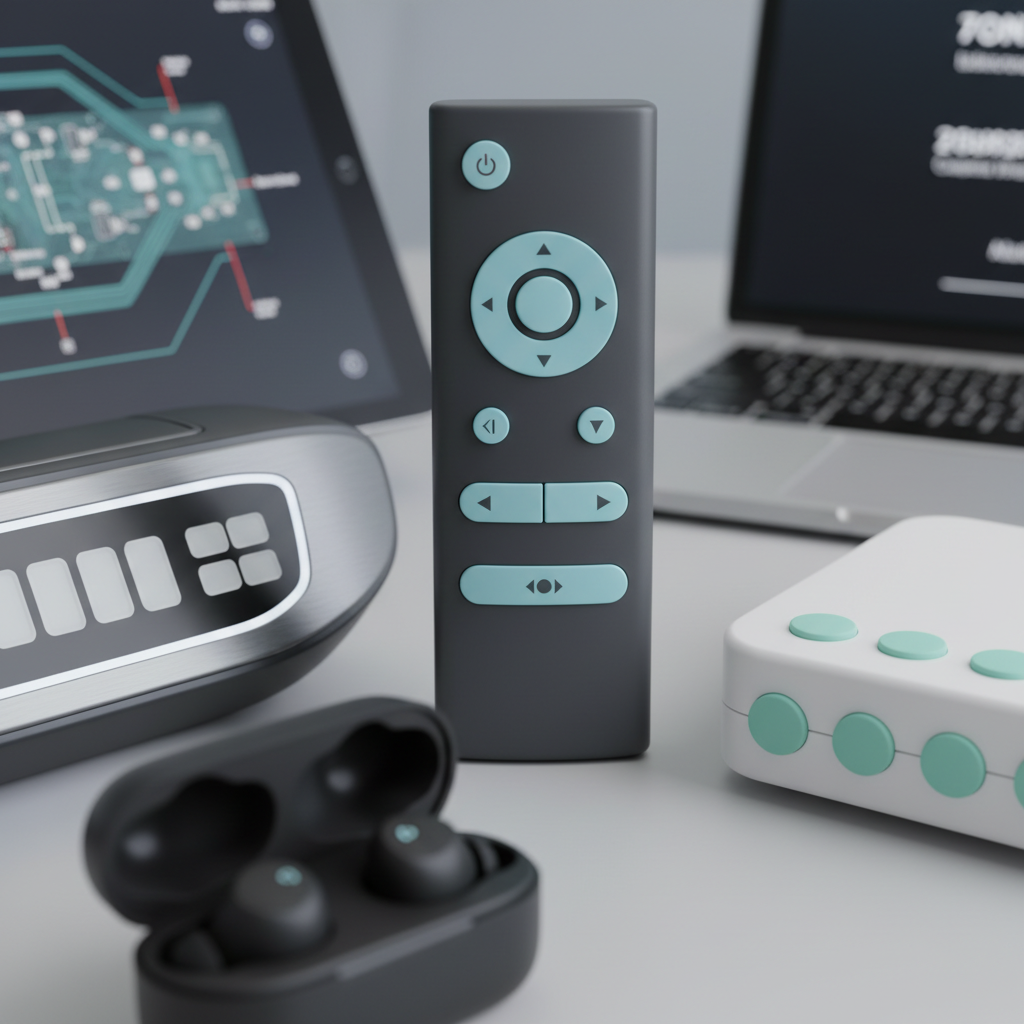
Moreover, silicone rubber buttons offer excellent tactile feedback, which is crucial for user interaction. The soft yet firm texture provides a comfortable experience for users, facilitating seamless operation. Additionally, the material's inherent properties make it resistant to moisture and dust, contributing to the longevity of electronic devices. This weather resilience is particularly important for outdoor equipment and appliances that require reliable performance regardless of external factors. Overall, the combination of durability, tactile quality, and environmental resistance makes silicone rubber buttons an ideal choice for a wide array of electronic products.
Advantages of Using Silicone Rubber in Modern Devices

Silicone rubber has become a critical material in the design and manufacturing of modern electronic devices, offering several key advantages that enhance functionality and user experience. One of the primary benefits of silicone rubber buttons is their remarkable durability. Unlike traditional materials, silicone is resistant to wear, tear, and environmental factors, ensuring that buttons maintain their responsive feel even after extensive use. This resilience translates into longer product lifespans and better user satisfaction.
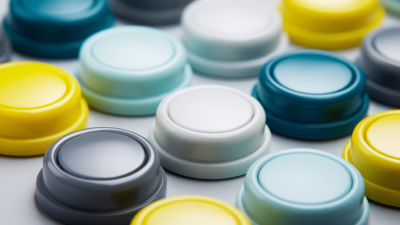
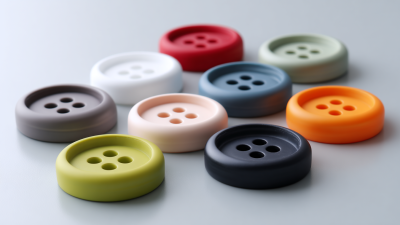
Additionally, silicone rubber's versatility in design allows for a wide array of colors, shapes, and textures, enabling manufacturers to create aesthetically pleasing and ergonomic devices. The soft-touch surface of silicone buttons not only enhances the tactile experience but also provides a degree of waterproofing and dirt resistance, making them ideal for handheld gadgets exposed to the rigors of everyday life. By incorporating silicone rubber into their products, manufacturers can offer consumers innovative solutions that meet the demands of functionality, aesthetics, and durability in modern electronics.
Market Trends and Demand for Silicone Rubber Buttons
The market for silicone rubber buttons has witnessed significant growth over the past few years, driven by an increasing demand for versatile and durable components in modern electronics. Companies across various sectors, including consumer electronics, automotive, and medical devices, are shifting towards silicone rubber due to its exceptional properties such as weather resistance, chemical stability, and tactile feel. These buttons not only enhance user experience but also contribute to the overall longevity of electronic devices.
Furthermore, the rise of smart devices and touch technology has further propelled the need for silicone rubber buttons. As manufacturers seek to integrate advanced functionality into compact designs, silicone rubber offers a unique solution that combines flexibility with excellent performance. The ongoing trends in the market indicate a robust demand for customized solutions, as businesses look to differentiate their products in a competitive landscape. With continuous innovations in materials and manufacturing processes, silicone rubber buttons are poised to play a crucial role in shaping the future of electronics.
Why Silicone Rubber Buttons Are Essential for Modern Electronics: Key Benefits and Market Insights
| Dimension |
Value |
| Material Type |
Silicone Rubber |
| Key Benefits |
Durability, Flexibility, Weather Resistance |
| Common Applications |
Keyboards, Remote Controls, Appliances |
| Market Growth Rate (2022-2027) |
7.5% CAGR |
| Major End Users |
Consumer Electronics, Automotive, Medical Devices |
| Regional Market Leader |
North America |
| Sustainability Factor |
Increased Use of Eco-Friendly Materials |
Innovative Applications of Silicone Rubber in Consumer Electronics
Silicone rubber has emerged as a crucial material in modern consumer electronics, driving innovation across various applications. Its unique properties, such as flexibility, durability, and resistance to extreme temperatures, make it ideal for producing buttons, seals, and insulating components. With the rise of smart devices, the demand for user-friendly interfaces has intensified, paving the way for silicone buttons that promise tactile feedback and longevity, enhancing the overall user experience.
Moreover, the growing urbanization and digitalization trends are fueling the silicone market, as manufacturers seek high-performance materials to create advanced electronic products. Companies are leveraging silicone rubber to develop innovative solutions, from medical devices to high-end consumer gadgets. The trajectory of the silicone market points toward significant growth, with key players focusing on sustainability and product diversification. As the industry evolves, staying informed about emerging startups and trends will be essential for businesses aiming to remain competitive in this fast-paced environment.
Challenges and Future Outlook for Silicone Rubber Button Manufacturing
The manufacturing of silicone rubber buttons, while integral to the electronics industry, faces several challenges that need addressing for future growth. One significant obstacle is the variability in raw material quality, which can lead to inconsistencies in product performance. Manufacturers must invest in stringent quality control measures and robust supplier relationships to ensure that the materials used meet the required technical specifications.
Additionally, the complexity of the production process requires skilled labor and advanced technology, which can be a barrier for smaller manufacturers looking to enter this market.
Looking ahead, the future of silicone rubber button manufacturing shows promise, driven by evolving consumer demands and technological advancements. Companies that can innovate in terms of design and functionality, such as integrating smart features into buttons, are likely to thrive. Moreover, embracing sustainable practices by sourcing eco-friendly materials and minimizing waste will not only meet regulatory requirements but also resonate with environmentally conscious consumers.
As the market continues to evolve, manufacturers that remain adaptable and invest in research and development will be well-positioned to capitalize on emerging opportunities.