China Top 10 Rubber Extrusions for Automotive and Industrial Applications?
In the automotive and industrial sectors, Rubber Extrusions play a crucial role. These versatile components are designed to meet specific needs in various applications. The demand for high-quality rubber extrusions continues to rise, driven by the need for durability and performance.
China is a leading manufacturer of rubber extrusions, providing solutions for both automotive and industrial markets. These products range from seals and gaskets to custom profiles. Each extrusion is crafted with precision and can be tailored to meet exact specifications. This ability to customize is vital for companies seeking specific functionality.
As industries evolve, the expectations for rubber extrusions grow. Companies must adapt to new materials and technologies. The challenge lies in balancing innovation with reliability. While advancements are exciting, they also require careful evaluation. Not all rubber extrusions perform equally. Understanding the nuances of each type is essential for optimal usage. Careful consideration of these factors will ensure that manufacturers select the best options for their needs.
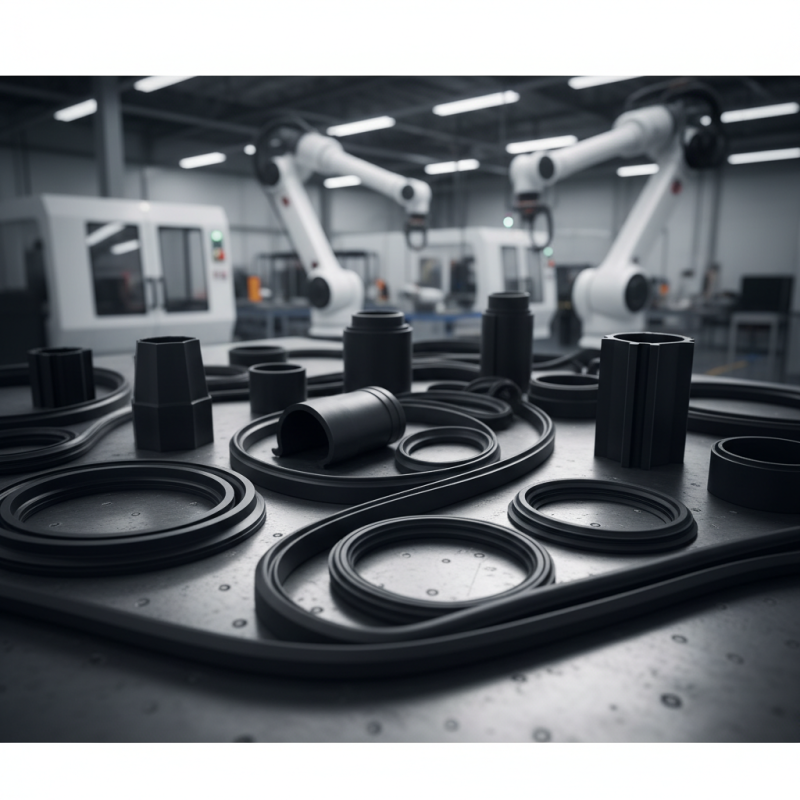
China's Leading Rubber Extrusion Manufacturers in Automotive Sector
China's automotive sector relies heavily on high-quality rubber extrusions. These components are crucial for various applications, including seals, gaskets, and hoses. Leading manufacturers focus on durability and performance to meet industry standards. Rubber extrusions must withstand extreme temperatures and pressure changes. This ensures safety and reliability in vehicles.
Technological advancements have enhanced production methods. Manufacturers are incorporating more efficient processes. This development can lead to better material properties. However, quality control remains a challenge. Some production lines still face issues with consistency. It’s vital for manufacturers to address these gaps.
Collaboration between engineers and designers is essential in the automotive field. This partnership fosters innovation in rubber extrusion design. With evolving automotive technologies, manufacturers must adapt quickly. They must stay informed about new materials and industry trends. The constant changes pose challenges but also opportunities for growth. Continuous improvement is necessary for long-term success.
Key Properties of Rubber Extrusions for Industrial Applications
Rubber extrusions play a crucial role in automotive and industrial applications. These products are essential for creating seals, gaskets, and molded parts. When selecting rubber extrusions, understanding key properties is vital for performance and durability.
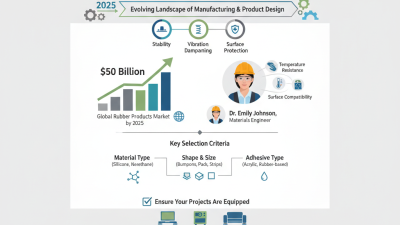
According to industry reports, the global demand for rubber extrusions in automotive applications is set to exceed $16 billion by 2025. This steady growth indicates a strong reliance on rubber materials. Key properties such as flexibility, chemical resistance, and temperature tolerance are critical. For example, EPDM rubber offers excellent resistance to heat and ozone, making it suitable for outdoor applications. However, not all rubber types are created equal. Manufacturers need to consider the specific environment where their products will be used.
Additionally, the hardness of rubber extrusions affects their performance. A durometer reading of 70A is common for automotive seals, while industrial applications may require variations from 30A to 90A. This range allows for adaptability to different conditions. However, achieving the desired balance can be challenging. Manufacturers may need to test various formulations to find the right fit. This iterative process emphasizes the importance of expertise in material selection. As market demands evolve, so should the understanding of these key properties in rubber extrusions.
Top 10 Rubber Extrusions for Automotive and Industrial Applications
This chart illustrates the key properties of the top 10 rubber extrusions used in automotive and industrial applications. The data shows the tensile strength and durability ratings of various rubber extrusions, highlighting their importance in different sectors.
Innovative Technologies in Rubber Extrusion Processes
Innovative technologies in rubber extrusion processes are shaping the future of automotive and industrial applications. These advancements focus on improving efficiency and product quality while reducing waste. Companies are investing in advanced machinery that can handle complex designs. This makes it easier to create custom rubber extrusions for various needs.
One exciting trend is the use of 3D printing in rubber extrusion. This technology allows for precise control in the production of rubber parts. It opens up possibilities for creating intricate shapes that traditional methods cannot easily achieve. However, this approach is still evolving. The scalability and costs remain challenges for wider adoption.
Another area of innovation is the integration of smart technology in extrusion processes. Sensors and AI can monitor production in real-time. This enables quick adjustments to improve quality and consistency. However, reliance on technology can lead to oversight if not managed properly. Balancing innovation with traditional practices is essential for optimal results.
China Top 10 Rubber Extrusions for Automotive and Industrial Applications
| Dimension (mm) |
Material Type |
Application Area |
Innovative Technology |
Production Capacity (tons/year) |
| 5 x 3 |
EPDM |
Automotive seals |
Cold feed extrusion |
1500 |
| 10 x 5 |
NBR |
Hoses |
Twin-screw extruder |
2000 |
| 8 x 6 |
Silicone |
Gaskets |
Hot feed extrusion |
1200 |
| 15 x 4 |
SBR |
Industrial pads |
Single-screw extrusion |
1800 |
| 12 x 3 |
CR |
Electrical insulation |
Cross-linked technology |
1600 |
| 20 x 10 |
NR |
Bumpers |
Custom formulation |
2200 |
| 7 x 2 |
Polyurethane |
Shock absorbers |
3D printing integration |
1000 |
| 16 x 6 |
PVC |
Weather strips |
Eco-friendly processing |
1300 |
| 9 x 4 |
TPE |
Interior trim |
Lightweight design |
1400 |
| 4 x 4 |
Fluoroelastomer |
High-temperature seals |
Advanced curing |
900 |
Environmental Regulations Impacting Rubber Extrusions in China
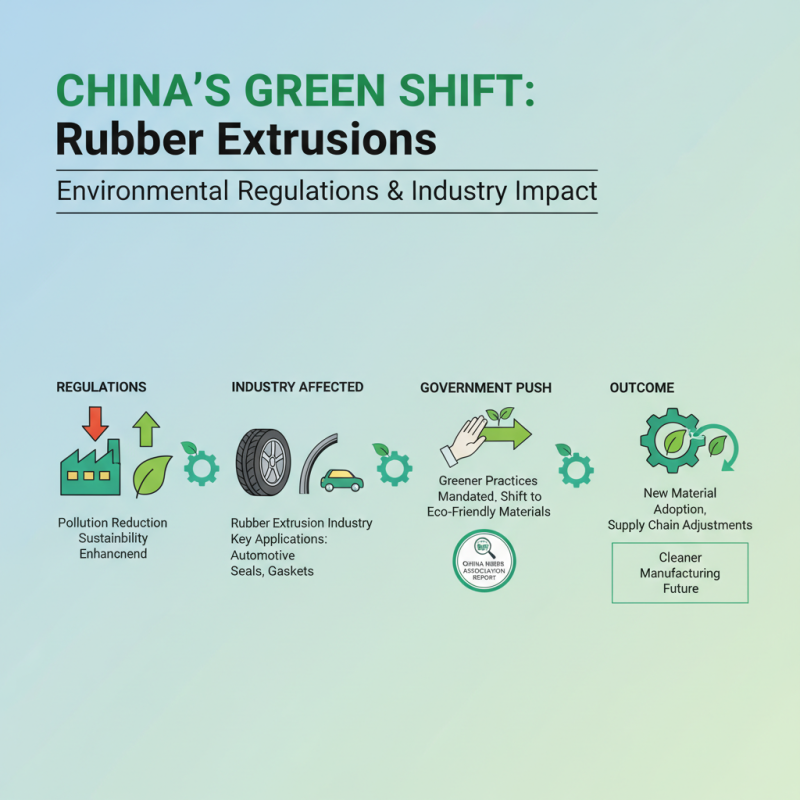
Environmental regulations in China are increasingly affecting the rubber extrusion industry. These regulations aim to reduce pollution and enhance sustainability. According to a report by the China Rubber Association, the automotive sector depends on rubber extrusions for numerous applications, including seals and gaskets. With the government pushing for greener practices, a shift towards environmentally friendly materials is evident.
Manufacturers must adapt. The adoption of bio-based rubber and recycled materials is on the rise. Industry experts project that companies focusing on sustainable rubber solutions could see a growth rate of up to 15% annually in the next five years. However, many businesses struggle to align with these regulations. Compliance costs can be significant, challenging smaller manufacturers.
Tips: Focus on sourcing sustainable materials to meet regulatory requirements. Invest in R&D to stay ahead of regulations. Regularly monitor changes in policies to maintain compliance. As the regulatory landscape evolves, flexibility and innovation will be crucial for success in the rubber extrusion sector.
Future Trends in Rubber Extrusion for Automotive and Industrial Use
The future of rubber extrusion in automotive and industrial applications is evolving rapidly. With increasing demands for lightweight materials, manufacturers are exploring new rubber compounds. These materials offer enhanced strength without adding weight. Additionally, sustainability is becoming a key focus. Environmentally friendly rubber options are emerging, which help reduce the carbon footprint.
Innovations in technology are also shaping this industry. Advanced extrusion techniques are enhancing the precision of rubber profiles. This allows for better performance in critical applications, such as seals and gaskets. However, challenges remain. Balancing production costs and quality is an ongoing struggle. Companies need to invest in better processes and worker training.
Integration of digital tools is another trend worth noting. Automation and AI are optimizing rubber extrusion processes. This can lead to greater efficiency and reduced waste. Yet, not all companies are ready to embrace these changes. Adapting to new technologies requires time and effort. Professionals in the field must be prepared for a learning curve.