Top 10 Benefits of Liquid Rubber: Why You Should Consider It for Your Projects
In today's fast-paced construction and manufacturing industries, the search for innovative and efficient materials has led to a surge in the popularity of Liquid Rubber. Renowned industry expert Dr. Emily Stanton, a materials scientist at the Advanced Polymer Research Institute, emphasizes the transformative potential of this versatile substance. She states, "Liquid Rubber offers a unique combination of flexibility, durability, and resistance, making it an ideal solution for diverse projects." This highlights the growing recognition of Liquid Rubber not just as a coating but as a foundational component in modern applications.
As professionals and DIY enthusiasts alike look for sustainable and effective materials, Liquid Rubber presents a compelling choice that caters to a wide range of needs. From waterproofing and sealing to protective coatings, its remarkable properties make it invaluable in various sectors. This article will explore the top 10 benefits of Liquid Rubber, illustrating why you should consider incorporating it into your projects. Whether you're looking to enhance longevity, aesthetics, or safety, Liquid Rubber stands out as a forward-thinking option that promises to deliver outstanding results.
Benefits of Liquid Rubber for Construction Projects
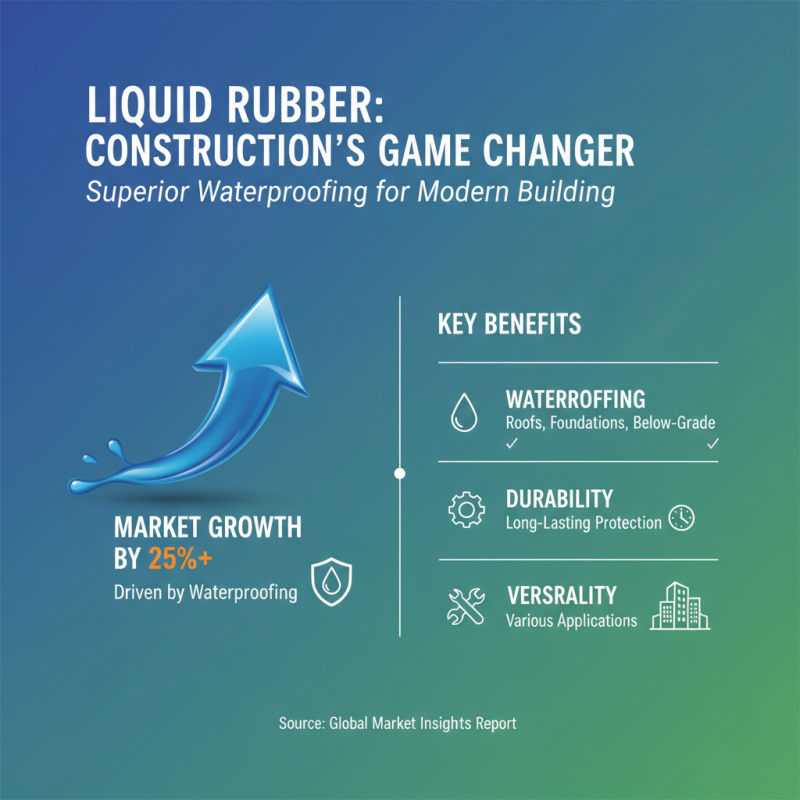
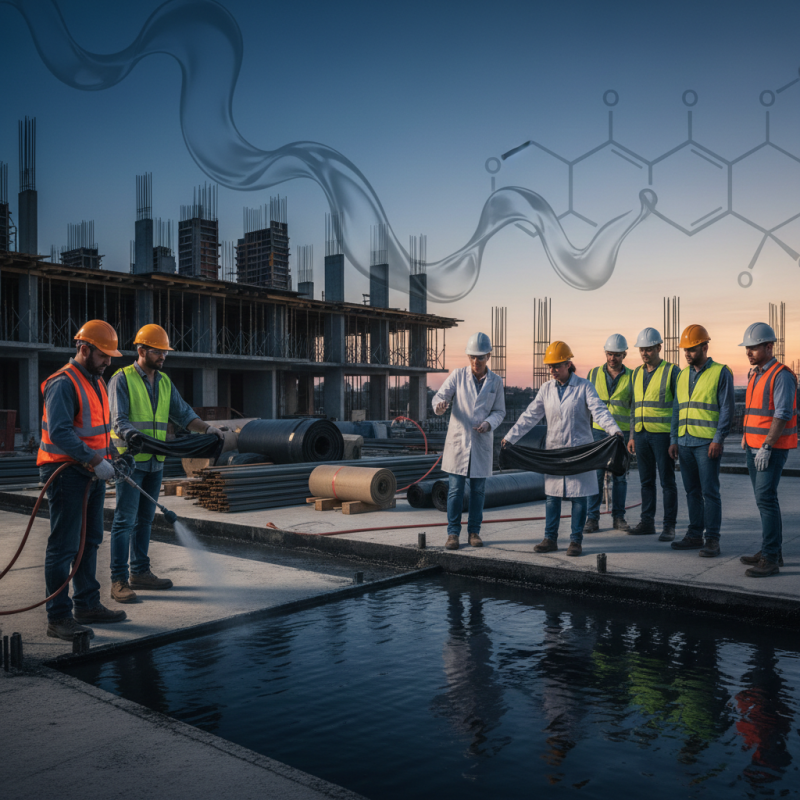
Liquid rubber has emerged as a game-changing material in construction projects, offering numerous benefits that cater to the needs of modern building practices. According to a report by the Global Market Insights, the liquid rubber market is expected to grow by over 25% in the coming years, driven primarily by its superior waterproofing capabilities. This makes it an ideal choice for roofing applications, foundations, and even below-grade construction, ensuring long-lasting protection against moisture and erosion.
One of the remarkable advantages of liquid rubber is its ease of application. Unlike traditional coatings, liquid rubber can be applied seamlessly over complex surfaces, eliminating the risk of gaps and weak points that could lead to water infiltration. A study published by the Journal of Construction Materials highlighted that projects utilizing liquid rubber saw a 30% reduction in installation time compared to conventional methods. Additionally, its flexibility and resilience allow it to withstand extreme weather conditions, making it suitable for various climates. This durability translates to lower maintenance costs and extended lifespans for structures, thus enhancing the overall sustainability of construction projects.
Versatility of Liquid Rubber in Various Applications
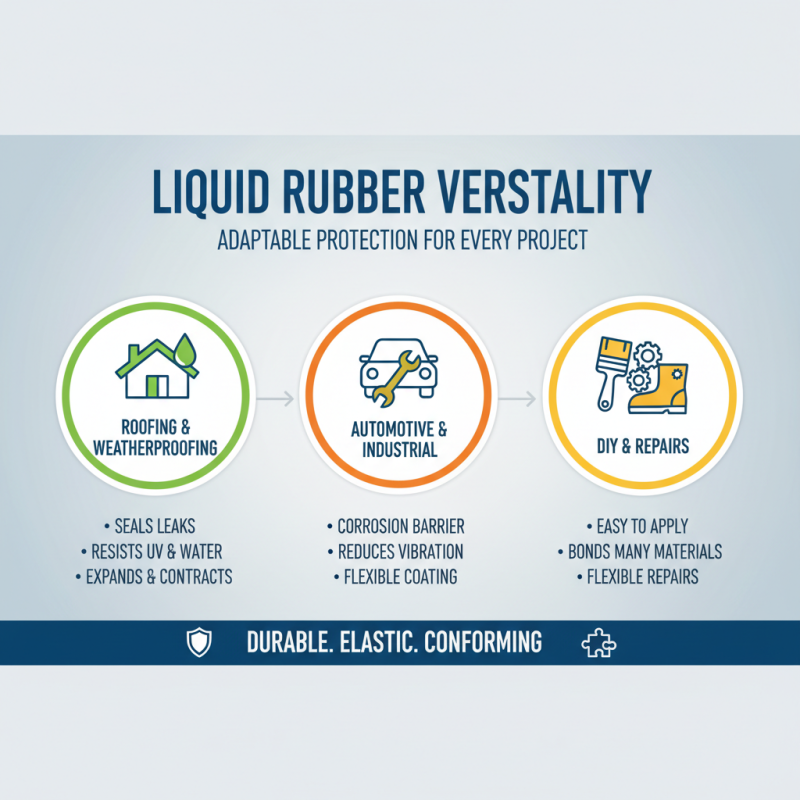
The versatility of liquid rubber makes it an excellent choice for a wide range of applications, from roofing to automotive and even DIY projects. Its elastic properties allow it to expand and contract with changing temperatures, providing a durable barrier against the elements. This adaptability ensures that liquid rubber can conform to various shapes and surfaces, making it ideal for both complex structures and simple repairs.
For those venturing into liquid rubber applications, here are some tips to keep in mind. First, always prepare the surface thoroughly by cleaning and priming it if necessary. This step is crucial for maximizing adhesion and ensuring a long-lasting finish. Second, consider the thickness of the application; applying multiple thin layers can often yield better results than a single thick layer, leading to a more even and effective finish.
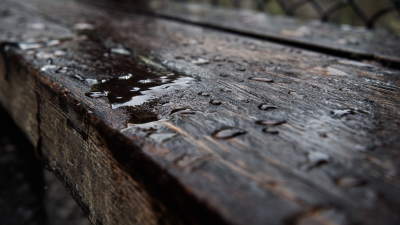
Moreover, liquid rubber's waterproof properties are particularly beneficial in areas prone to moisture. Whether you're sealing a leaky roof or protecting garden furniture, it provides a reliable defense. To achieve the best results, ensure proper curing time and conditions when applying liquid rubber to enhance its performance and longevity in your chosen project.
Durability and Longevity of Liquid Rubber Coatings
Liquid rubber coatings are increasingly recognized for their exceptional durability and longevity, making them an ideal choice for a variety of projects. One of the primary benefits of liquid rubber is its ability to withstand harsh environmental conditions. Whether it's extreme temperatures, heavy rainfall, or UV exposure, liquid rubber maintains its integrity over time. This resilience minimizes the need for frequent repairs or replacements, ultimately saving time and money in the long run.
In addition to environmental stressors, liquid rubber offers a superior level of adhesion to various surfaces, ensuring a strong bond that can resist peeling or chipping. This characteristic enhances its lifespan, as the coating remains intact and functional for extended periods. Furthermore, the flexibility of liquid rubber allows it to expand and contract with underlying materials, further reducing the risk of damage. By incorporating liquid rubber into your projects, you can not only enhance durability but also create a reliable, long-lasting solution that meets demanding performance standards.
Top 10 Benefits of Liquid Rubber
Environmental Advantages of Using Liquid Rubber
Liquid rubber has emerged as a leading sustainable solution for various construction and DIY projects, primarily due to its environmental advantages. One of the most significant benefits of liquid rubber is its ability to reduce waste. Traditional materials, such as asphalt, often lead to significant runoffs and landfill contributions. In contrast, liquid rubber is seamless and can be applied directly where needed, minimizing the excess material often experienced in conventional roofing and sealing methods. According to a report by the Environmental Protection Agency (EPA), using liquid rubber can reduce construction waste by up to 25%, making it a smart choice for eco-conscious projects.
Furthermore, liquid rubber contributes to energy efficiency. Its reflective properties can significantly lower surface temperatures, which helps to reduce energy consumption for buildings and vehicles. A study from the National Renewable Energy Laboratory (NREL) indicates that reflective coatings can decrease cooling costs by 10% in urban environments, promoting lower energy usage and reducing greenhouse gas emissions. Additionally, liquid rubber is non-toxic and free from harmful solvents, providing a safer working environment for installers and occupants alike. This aligns with increasing regulatory pressures and consumer demands for environmentally friendly construction practices, highlighting the necessity of integrating sustainable materials like liquid rubber into modern building strategies.
Top 10 Benefits of Liquid Rubber: Environmental Advantages of Using Liquid Rubber
| Benefit |
Description |
Impact on Environment |
| Non-Toxic |
Liquid rubber is made from non-toxic materials that pose minimal health risks. |
Reduces the risk of harmful exposure to potential pollutants. |
| Durability |
Highly durable and resistant to various environmental factors. |
Minimizes waste due to longer lifespan compared to traditional materials. |
| Waterproof |
Provides excellent waterproofing for various applications. |
Protects natural water sources from contamination. |
| UV Resistant |
Resists degradation from UV exposure. |
Extends the lifespan of installations outdoors. |
| Eco-Friendly |
Made from sustainable materials with low environmental impact. |
Supports sustainability initiatives in construction. |
| Flexibility |
Excellent flexibility enables it to withstand movement and stress. |
Reduces the need for frequent replacements, lowering waste. |
| Ease of Application |
Simple application process reduces labor time and costs. |
Lower resource consumption contributes to a smaller carbon footprint. |
| Sound Insulation |
Provides sound dampening properties. |
Improves quality of life in urban environments. |
| Chemical Resistance |
Resistant to many common chemicals and solvents. |
Reduces environmental hazards from chemical spills. |
| Thermal Insulation |
Provides excellent thermal insulating properties. |
Contributes to energy efficiency in buildings. |
Cost-Effectiveness of Liquid Rubber Solutions in Projects
Liquid rubber solutions have gained traction in various industries due to their remarkable cost-effectiveness in project implementation. According to a report published by Allied Market Research, the global liquid rubber market was valued at approximately $3.06 billion in 2020 and is projected to reach $5.02 billion by 2027, exhibiting a compound annual growth rate (CAGR) of 7.7% from 2020 to 2027. This growth underscores the rising demand for efficient and affordable waterproofing and sealing solutions that liquid rubber provides.
One of the most significant advantages of liquid rubber is its ability to extend the lifespan of various surfaces while reducing overall maintenance costs. A study from MarketsandMarkets indicated that adopting liquid rubber in construction projects can lead to a 30% reduction in maintenance expenses over time. This is largely due to its superior durability and resistance to weathering compared to traditional materials. Additionally, the ease of application and quick curing time of liquid rubber minimizes labor costs, making it an attractive option for project managers seeking to optimize budget allocations while maintaining high-quality results.