Top China Rubber Extrusions for Global Buyers in 2026?
In 2026, the demand for Rubber Extrusions is poised to rise significantly among global buyers. These products play a crucial role in various industries, including automotive, construction, and consumer goods. They offer flexibility, durability, and resistance to harsh environments. Understanding the strengths and weaknesses of different suppliers is essential for making informed purchasing decisions.
China has established itself as a key player in the Rubber Extrusions market. However, navigating this landscape comes with challenges. Buyers must consider factors like quality, cost, and supply chain reliability. Some suppliers excel in production but fall short in customer service. Others offer competitive prices but may compromise on quality. This complexity necessitates thorough research and critical evaluation.
The future of Rubber Extrusions looks promising, yet potential pitfalls loom. Before making a choice, buyers should assess the long-term implications of their decisions. Engaging with multiple suppliers can yield better insights. By fostering transparent communication, buyers can build lasting relationships and enhance their supply chain resilience. Understanding the market dynamics of Rubber Extrusions remains paramount for success.

Overview of China’s Rubber Extrusion Industry in 2026
China's rubber extrusion industry is poised for remarkable growth in 2026. According to industry reports, the market size is expected to reach approximately $10 billion, reflecting an annual growth rate of 6.5%. This growth is driven by increasing demand in automotive, construction, and healthcare sectors. Rubber extrusions are crucial components in these industries, offering durability and flexibility.
The production capabilities in China are impressive. Over 300 manufacturers operate in the country, utilizing advanced technologies for efficient output. However, challenges remain. Quality control is inconsistent among various producers, which can lead to product reliability issues. As competition intensifies, maintaining high standards will be essential for suppliers aiming for global markets.
Sustainability is becoming a key focus area. Reports indicate that about 40% of rubber manufacturers are now investing in eco-friendly practices. This shift is necessary as regulations tighten globally. Buyers in 2026 will likely prioritize suppliers who demonstrate a commitment to sustainable production methods. Companies that adapt quickly may gain a competitive edge in this evolving landscape.
Key Trends Impacting Rubber Extrusions Market in China
The rubber extrusions market in China is evolving rapidly. Buyers should observe key trends shaping this landscape. Sustainable practices are gaining traction. More manufacturers are incorporating eco-friendly materials into their processes. This shift reflects a growing awareness of environmental concerns among consumers.
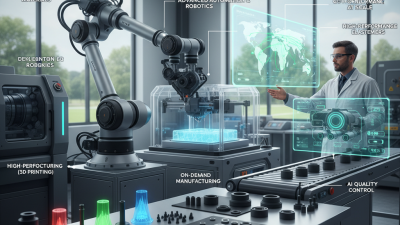
Another notable trend is automation in production. Manufacturers are investing in advanced technology to enhance efficiency. Automation reduces labor costs and minimizes errors. This shift is essential for meeting rising global demand. However, not all companies can afford these upgrades, and some may struggle.
Lastly, customization is becoming a priority for buyers. Consumers increasingly seek tailored solutions. This demand pushes manufacturers to adapt their products to diverse needs. Some companies excel in this area, while others lag behind. Finding the right balance between customization and cost remains a challenge.
Leading Manufacturers of Rubber Extrusions in China
China leads the global market in rubber extrusions. In 2026, the demand for these products is expected to rise significantly due to various industries seeking durable solutions. The rubber extrusion market has been valued at approximately $40 billion globally, with China contributing nearly $15 billion. This indicates strong growth potential fueled by local manufacturing advancements.
Several leading manufacturers in China have shown capability in producing high-quality rubber extrusions. Many of these companies focus on specific sectors, including automotive, construction, and electronics. For instance, the automotive sector alone accounts for around 25% of the rubber extrusion market. These manufacturers employ advanced technologies and rigorous quality control processes. Yet, some face challenges with supply chain reliability and fluctuating raw material prices.
Notably, the expertise in custom rubber extrusion solutions is growing among Chinese manufacturers. However, concerns about environmental regulations and compliance are pressing issues. A significant number of manufacturers are still adapting to stringent eco-friendly practices. Industry reports highlight that while there's a push for innovation, inconsistencies in sustainability efforts may hinder long-term growth. Addressing these challenges will be crucial for maintaining competitive advantages in the global market.
Innovative Applications of Rubber Extrusions for Global Markets
The rubber extrusion sector is witnessing remarkable innovations, reshaping various global markets. In 2026, the demand for rubber extrusions is projected to rise significantly. According to recent industry analysis, the global rubber extrusion market is expected to reach a value of approximately $40 billion by 2026, representing a compound annual growth rate (CAGR) of about 5.2% from 2021.
Innovative applications, such as custom seals and gaskets, are becoming increasingly popular. These products cater to diverse industries, including automotive, construction, and consumer goods. For example, the automotive sector is leveraging rubber extrusions for improved insulation and noise reduction. Interestingly, the surge in electric vehicle production is further fueling this demand. However, there are challenges. The industry must address sustainability concerns, as traditional rubber production can have significant environmental impacts.
From a design perspective, the potential for custom shapes is vast. Manufacturers are exploring new formulations to enhance durability and resistance to chemicals and temperature changes. However, not all innovations lead to success. Some experimental products may not meet market expectations and can result in wasted resources. Balancing innovation with reliability remains a crucial challenge for the industry moving forward.
Sustainability Practices in China’s Rubber Extrusion Production
China's rubber extrusion industry is evolving, particularly in
sustainability practices. Recent reports indicate that over
60% of rubber manufacturers have started to implement
eco-friendly methods. These include using renewable materials and
reducing CO2 emissions. In 2025, the sector aims
to achieve a 30% reduction in waste materials compared to previous
years. This goal reflects a growing awareness of environmental responsibilities.
Moreover, many companies now recycle rubber waste into new
products. Data shows that recycling rates in this industry have improved by 15%
since 2020. However, challenges remain. Not all producers can afford
advanced recycling technologies, which hinders widespread adoption.
Smaller factories often rely on traditional methods, causing more waste. Sustainable initiatives
require significant investment, but the long-term benefits could outweigh the initial costs.
Industry experts stress the importance of collaboration.
Knowledge sharing among companies can enhance sustainability practices. Some producers have started
forming alliances to share resources and best practices. This approach can lead to greater efficiency
and lower environmental impact. The commitment to sustainability is growing, but progress requires
ongoing effort and innovation.