Top 10 Liquid Rubber For Moulds You Need to Try for Perfect Castings
In the world of casting, the choice of materials is paramount to achieving flawless results. As we delve into the realm of liquid rubber for moulds, experts agree on its transformative potential. Renowned casting specialist, Dr. Emily Turner, emphasizes, "The right liquid rubber for moulds not only improves the quality of the cast but also enhances the overall durability of the final product." With a plethora of options available, selecting the ideal liquid rubber can seem daunting.
This guide will explore the top ten liquid rubber products that are essential for anyone aiming for perfection in their castings. From silicone to polyurethane variants, each option brings unique properties tailored to different applications. Whether you are a seasoned professional or a hobbyist looking to elevate your craft, understanding the benefits and specific use cases of these liquid rubbers is crucial. Our selection highlights products that not only promise outstanding performance but also provide a reliable solution for achieving intricate designs and precise finishes. Join us as we navigate through these top contenders and discover how liquid rubber for moulds can revolutionize your casting processes.

Top Considerations When Choosing Liquid Rubber for Moulds
When selecting liquid rubber for moulds, several key considerations come into play to ensure perfect castings. First and foremost is the viscosity of the liquid rubber. A suitable viscosity level ensures that the liquid can easily fill intricate details in the mould without leaving air bubbles. High-viscosity rubbers are excellent for larger, less detailed pieces, while low-viscosity options are better for capturing fine details in smaller moulds.
Another critical factor is the cure time of the liquid rubber. Rapid curing is advantageous for quicker production cycles, but it’s essential to strike a balance, as too fast of a cure can compromise the quality of the final product. Additionally, one should consider the rubber's flexibility and durability, especially if the mould will be used repeatedly. It's also vital to evaluate the chemical resistance of the rubber, particularly if the casting materials are reactive. Finally, always check for compatibility with your casting materials to prevent any unwanted interactions that could affect the final outcome.
Top 10 Liquid Rubber for Moulds: Performance Comparison
A Review of the Best Liquid Rubber Brands for Perfect Castings
When it comes to creating perfect castings, the choice of liquid rubber plays a crucial role. Several brands have gained popularity for their exceptional performance in crafting molds that offer both detail and durability. Among the top contenders, brands such as Smooth-On, Alumilite, and Polytek standout. They are known for their user-friendly application, fast curing times, and flexibility, which cater to both amateur hobbyists and professional artisans alike.
Tip: Always read the manufacturer's instructions carefully before starting your project. Each brand has specific mixing ratios and curing times that can significantly affect your mold's final yield.
Another vital aspect is the viscosity of the liquid rubber. A lower viscosity allows for better detail capture and flow into intricate mold designs. Conversely, a higher viscosity might be beneficial for thicker applications, providing strength and stability.
Tip: Experiment with different mixing techniques to see how it affects the final outcome of your castings. Even small adjustments can lead to improved results in your finished products.
Step-by-Step Guide to Using Liquid Rubber for Mould Making
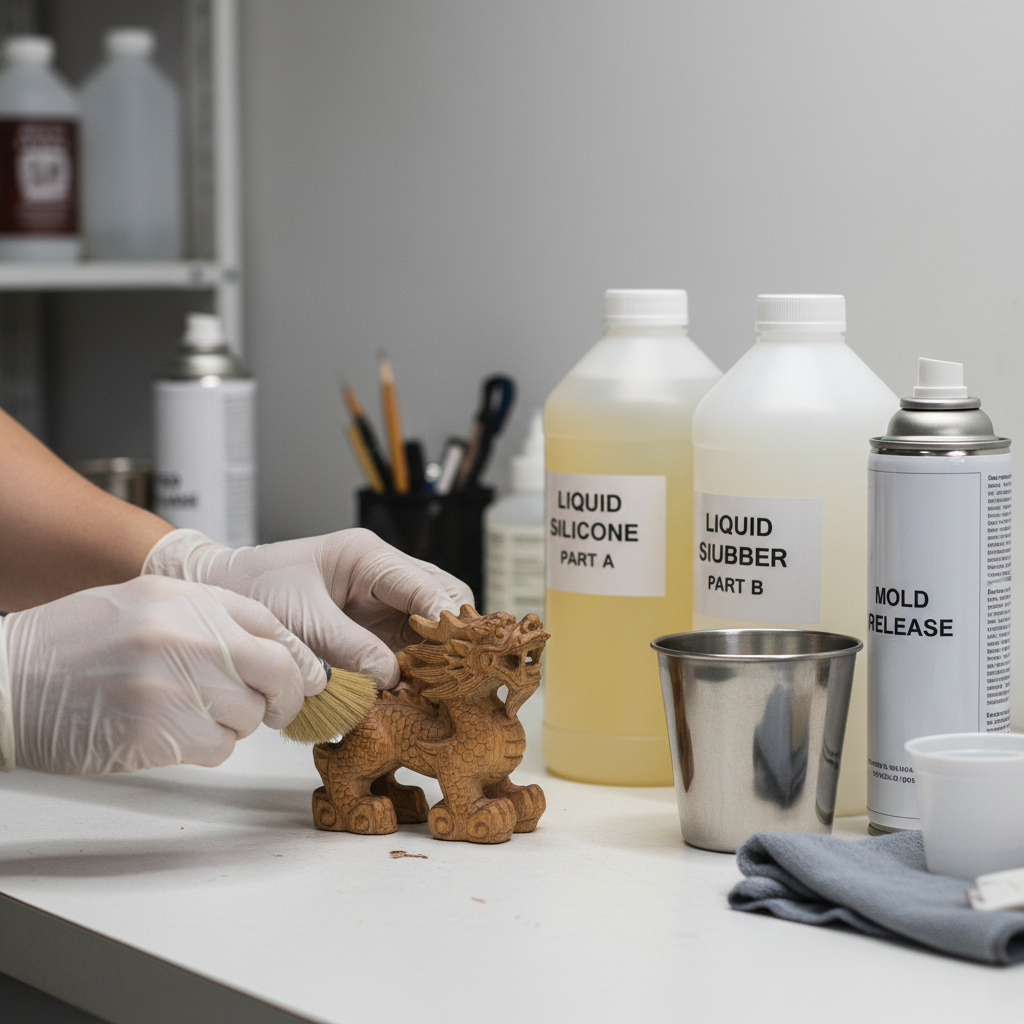
When it comes to crafting perfect castings using liquid rubber for mould making, understanding the step-by-step process is essential. First, gather your materials, including liquid rubber, a mixing container, and a suitable mould release agent.
Begin by thoroughly cleaning the object you wish to cast, ensuring that it is free from dust and debris. This step is crucial for achieving a smooth finish in your final product.
Next, carefully mix the liquid rubber according to the manufacturer's instructions, paying close attention to the recommended ratios. Pour the mixture slowly into the mould, taking care to avoid air bubbles, which can compromise the integrity of the casting. Once poured, allow the rubber to cure completely, adhering to the designated time frames. After curing, gently demould your casting and inspect it for any imperfections, taking advantage of the flexibility of liquid rubber to make slight corrections as needed.
With these meticulous steps, you can create impressive moulds that yield flawless castings, enhancing your crafting projects.
Common Mistakes to Avoid When Working with Liquid Rubber
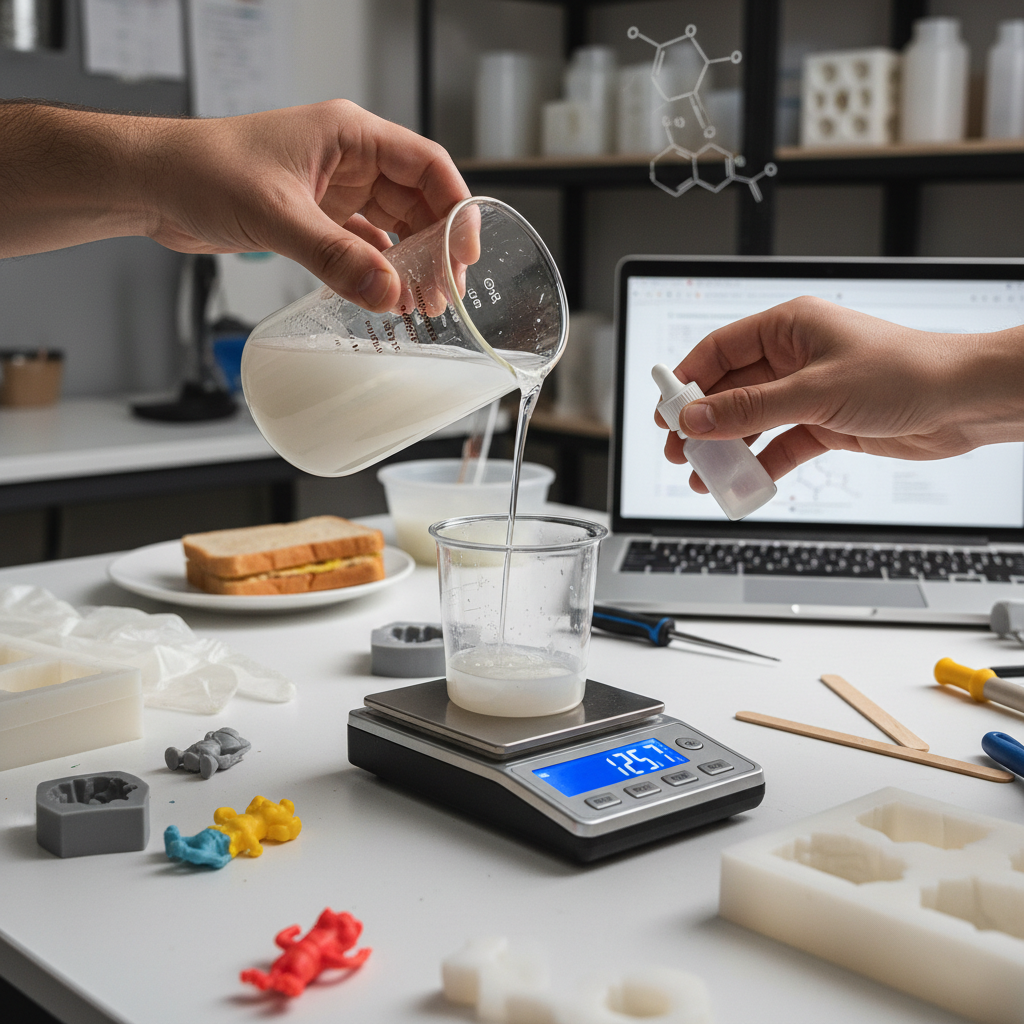
When working with liquid rubber for molds, avoiding common mistakes can significantly enhance the quality of your castings. A critical error many beginners make is inaccurate measurement of components. According to a report by the International Society of Plastics Engineers, precise ratios are essential; even a slight deviation can lead to curing issues, affecting both the texture and durability of the final product. Using a digital scale for measuring can minimize this risk, ensuring that your mix ratios stay consistent and reliable.
Another common oversight is neglecting the importance of proper mixing. The same study noted that inadequate mixing can result in uncured spots within the mold, which can compromise the integrity of the casting. Experts recommend mixing for at least three minutes at a slow speed to ensure a uniform blend without introducing unwanted air bubbles. Additionally, taking the time to vacuum de-gas the mixture can further improve the end results by removing entrapped air that could lead to flaws in the mold surface. By being mindful of these factors, you can elevate your casting projects and achieve the professional quality you strive for.
Innovative Techniques to Enhance Your Casting with Liquid Rubber
Innovative techniques in casting have significantly transformed the use of liquid rubber, leading to enhanced quality and efficiency in various applications. Recent industry reports indicate that the global demand for silicone-based products has surged, with the market projected to reach over $20 billion by 2027. This growth is driven by advancements in material science, allowing for the development of specialized liquid rubber formulations that cater to diverse casting needs. These innovations contribute to more precise and durable castings, reducing waste and operational costs.
Incorporating the latest silicone trends, such as bio-based materials and improved curing processes, can significantly impact businesses. A recent analysis highlights that 65% of manufacturers are shifting towards sustainable practices, including the utilization of eco-friendly liquid rubber alternatives. Additionally, a survey of over 1,500 startups reveals that those integrating advanced liquid rubber technologies are experiencing a 30% faster production rate. This shift not only fosters innovation but also positions these companies to meet the rising customer demand for high-quality, sustainable products, aligning with the broader industry movement towards more responsible manufacturing practices.
Top 10 Liquid Rubber For Moulds You Need to Try for Perfect Castings
| Product Name |
Hardness (Shore A) |
Mix Ratio (Part A : Part B) |
Working Time (Minutes) |
Cure Time (Hours) |
Color Options |
| Liquid Rubber A |
20 |
1:1 |
15 |
24 |
Clear, White |
| Liquid Rubber B |
25 |
2:1 |
20 |
12 |
Black, Gray |
| Liquid Rubber C |
30 |
3:1 |
10 |
6 |
Blue, Red |
| Liquid Rubber D |
15 |
1:2 |
25 |
72 |
White, Yellow |
| Liquid Rubber E |
35 |
1:1 |
30 |
48 |
Clear, Green |
| Liquid Rubber F |
20 |
2:3 |
40 |
12 |
Orange, Pink |
| Liquid Rubber G |
10 |
1:1 |
50 |
24 |
Transparent |
| Liquid Rubber H |
40 |
5:1 |
12 |
48 |
Brown, Gray |
| Liquid Rubber I |
15 |
1:4 |
60 |
24 |
Cream, Yellow |
| Liquid Rubber J |
35 |
2:1 |
20 |
12 |
Multi-color |