Top 10 Tips for Sourcing Molded Rubber and Plastic Products?
In the dynamic world of molded rubber and plastic, sourcing high-quality products is crucial. Experts, like Dr. Emily Johnson, emphasize the significance of careful selection. She states, "Quality sourcing decisions today lead to lasting partnerships tomorrow." This highlights the essential nature of sourcing in this competitive industry.
The molded rubber and plastic sector is diverse. It encompasses everything from automotive components to consumer goods. Each product demands specific materials and production techniques. This complexity can challenge even seasoned professionals. Inaccurate sourcing may lead to delays and increased costs. Therefore, understanding the nuances is indispensable.
Identifying reliable suppliers is essential. Building relationships with reputable manufacturers can mitigate risks. However, not all suppliers meet industry standards. Take the time to assess their capabilities. Address potential flaws head-on. By focusing on quality and reliability, businesses can enhance their product offerings and ensure success in the molded rubber and plastic market.
Understanding the Basics of Molded Rubber and Plastic Products
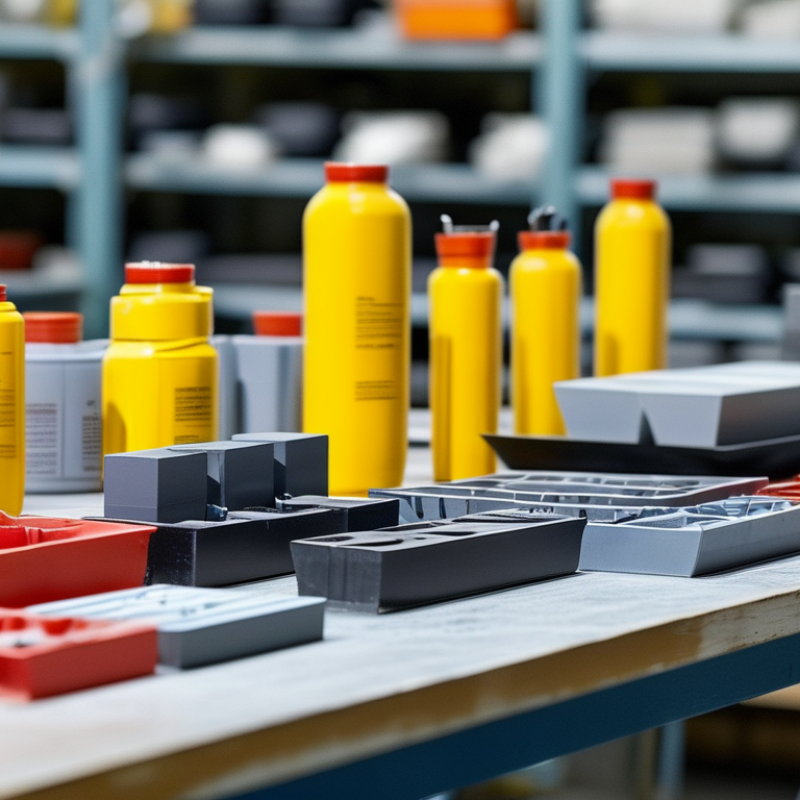
Understanding molded rubber and plastic products requires a grasp of their unique properties. These materials offer flexibility, durability, and resistance to harsh conditions. Rubber products tend to have great elasticity, making them ideal for seals and gaskets. Plastic, on the other hand, is lightweight and versatile, suitable for various applications, from automotive parts to consumer goods. Each material serves specific purposes based on its physical characteristics.
When sourcing these products, it’s essential to assess your needs. Consider factors like temperature resistance and chemical exposure. Some rubber may degrade under specific conditions, while certain plastics can become brittle. It's critical to test samples before making bulk orders. Price is often a deciding factor, but the cheapest option may not always be reliable.
Communication with suppliers is key. Discuss your requirements clearly and ask for technical data sheets. Ensure they can provide you with thorough information about their products. If you're unsure, seek advice from industry experts. Investing time in understanding these materials can lead to better product choices. They play crucial roles in everyday applications, and getting it right matters.
Identifying Reliable Suppliers for Quality Products
When sourcing molded rubber and plastic products, identifying reliable suppliers is crucial. Trustworthy suppliers ensure the quality and durability of products. Start by checking their industry experience. A supplier with years of expertise often has better knowledge of materials and production processes.
Networking plays an important role. Attend industry trade shows and events. Engage directly with potential suppliers. Ask for samples to evaluate their product quality. Communication is key. Be clear about your specifications. This helps prevent misunderstandings later.
Verify certifications and compliance. Reliable suppliers often possess industry certifications. These certificates indicate adherence to safety standards. Request references from past clients. This step ensures that you are making a well-informed decision. The more you research, the better equipped you are to avoid pitfalls in the sourcing process.
Evaluating Material Specifications and Industry Standards
When sourcing molded rubber and plastic products, evaluating material specifications is crucial. Each material has unique properties that can affect the final product's performance. For example, understand the differences between thermoplastics and thermosets. Thermoplastics can be reshaped, while thermosets provide strength but cannot be remolded. This knowledge helps in selecting the right type for your needs.
Industry standards also play a significant role in the sourcing process. Familiarize yourself with ASTM, ISO, and other relevant guidelines. These standards ensure the materials meet safety and quality benchmarks. Keeping up-to-date with changes in these standards can be challenging. Some might overlook updates, leading to compliance issues. Regular training and seminars can help address this gap. An informed team is your best asset in navigating these complexities.
Another factor to consider is the supplier's reputation. Not all sources follow the same standards. Engage with suppliers who demonstrate reliability and transparency. Ask for certifications and test results for their materials. Building a network of trusted suppliers can mitigate risks. However, remember that even reputable suppliers can have flaws. Third-party evaluations can often reveal areas for improvement that may not be apparent initially.
Assessing Manufacturing Processes and Capabilities
When sourcing molded rubber and plastic products, evaluating manufacturing processes is crucial. A report from Smithers indicates that the global demand for molded products exceeded $400 billion in 2022. Understanding production capabilities helps ensure quality and efficiency.
Manufacturers should have clear documentation of their processes. This includes certifications, machinery details, and material specifications. Many manufacturers may struggle with outdated equipment or lack skilled labor. This can lead to inconsistencies in product quality.
Quality control measures are essential. According to a survey by Deloitte, 42% of manufacturers reported issues with product defects. A robust quality assurance program can mitigate these risks. Look for companies that follow ISO standards for their processes. This indicates a commitment to maintaining high-quality outputs. Attention to these details can lead to more reliable partnerships in the long run.
Establishing Effective Communication for Successful Collaboration
Effective communication is essential in sourcing molded rubber and plastic products. According to a report by the National Institute of Standards and Technology, strong communication can reduce project delays by up to 30%. Maintaining open channels fosters collaboration. Regular updates and feedback keep both parties aligned. Use clear terminologies to avoid misunderstandings. Complex jargon can alienate teams and lead to errors.
When discussing requirements, specificity matters. Providing detailed specifications helps manufacturers understand your needs. Clearly outlining expectations, such as material properties and dimensions, is crucial. This approach minimizes revisions and enhances efficiency. Supplier relationships thrive on trust. Establish regular check-ins to discuss progress and address concerns. Scheduling bi-weekly meetings can provide valuable insights into production timelines.
One effective tip is to utilize technology for communication. Tools like project management software can centralize information. This fosters transparency and accountability. Tracking changes in real-time can mitigate miscommunications. Another tip is to document discussions thoroughly. This creates a reference point for future conversations, reducing assumptions. While striving for perfection, anticipate potential misunderstandings. Acknowledging these gaps in communication can lead to improvement. Keeping these strategies in mind enhances the sourcing process significantly.
Top 10 Tips for Sourcing Molded Rubber and Plastic Products