Top Uses of Rubber Extrusions in Industries Today?
In today's industrial landscape, "Rubber Extrusions" play a pivotal role across various sectors. John Smith, a notable expert in rubber manufacturing, once stated, "Rubber extrusions are essential for innovation in countless applications." His insight highlights the significance of this material in enhancing product performance and functionality.
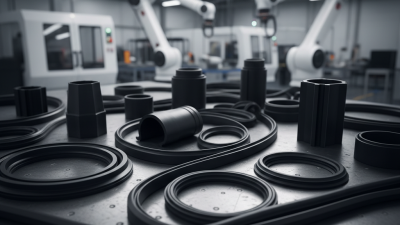
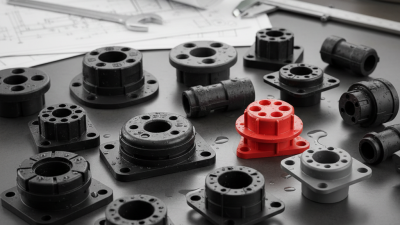
Industries such as automotive, construction, and electronics heavily rely on rubber extrusions. These precision-engineered components offer customizable solutions. For instance, they provide sealing, cushioning, and vibration dampening. Each application showcases the versatility found within rubber extrusions. However, many companies lack awareness of the full potential they hold.
Despite their benefits, some firms struggle to implement rubber extrusions effectively. This creates room for growth and improvement. As understanding deepens, innovation may surge, leading to smarter applications. Leveraging expertise in rubber materials can transform challenges into opportunities, ensuring efficient product development. The future of rubber extrusions promises exciting advancements that industries cannot afford to overlook.

Applications of Rubber Extrusions in Automotive Industry: A Detailed Analysis
Rubber extrusions play a critical role in the automotive sector. These components can be found in various parts of vehicles, including seals, gaskets, and trims. Their primary function is to create a barrier against water, dust, and noise. This functionality is vital for maintaining the integrity and comfort of a vehicle.
One key application is the use of rubber extrusions in window seals. They ensure that windows remain airtight and watertight. This enhances fuel efficiency and improves passenger comfort. However, the durability of these seals can vary, leading to potential leaks over time. It is crucial for manufacturers to balance cost and quality.
Another important aspect is the use of rubber in suspension systems. The right materials help absorb shocks, ensuring a smoother ride. Yet, this area requires careful consideration. The performance of rubber components can degrade under extreme conditions. Manufacturers must continuously test and innovate to improve longevity and performance.
Role of Rubber Extrusions in Building and Construction: Standards and Practices
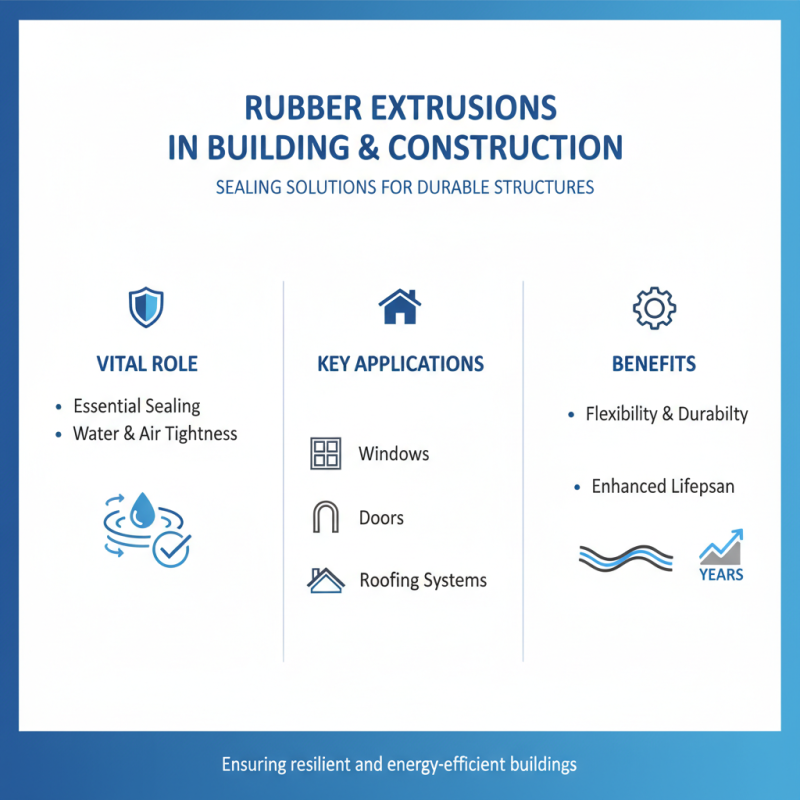
Rubber extrusions play a vital role in the building and construction industry. They provide essential sealing solutions, ensuring water and air tightness in various structures. These extrusions are often used in windows, doors, and roofing systems. Their flexibility and durability make them suitable for various weather conditions, enhancing the lifespan of buildings.
Standards and practices are crucial for manufacturing rubber extrusions. Compliance with industry standards ensures safety and quality. For instance, specific rubber materials must meet necessary fire resistance ratings. However, not all manufacturers adhere to these standards, leading to performance issues. This inconsistency raises concerns about the long-term reliability of extrusions used in construction.
Moreover, the installation process requires expertise. Poor installation can compromise the effectiveness of rubber extrusions. In some cases, builders may overlook detail in alignment or material selection. This oversight can lead to gaps, resulting in energy loss and moisture infiltration. Continuous training and awareness are essential for improving practices in the industry.
Innovative Uses of Rubber Extrusions in Electronics and Electrical Components
Rubber extrusions play a vital role in the electronics and electrical sectors. They offer versatile solutions for sealing and insulation. In devices like smartphones and tablets, rubber extrusions protect sensitive components from moisture and dust. The custom shapes ensure a snug fit, which is crucial for functionality.
In electrical components, rubber extrusions provide effective insulation for wiring. They prevent short circuits and enhance safety. The flexibility of rubber allows it to adapt to complex shapes, making it suitable for various applications. However, choosing the right material is challenging; not all rubber performs equally under stress or temperature changes.
Another innovation is the use of rubber extrusions in audio equipment. They minimize vibrations, enhancing sound quality. This application shows the interplay between material design and performance. Yet, the durability of these extrusions can sometimes be questioned, particularly in high-demand environments. This inconsistency must be addressed for better reliability in future designs.
Top Uses of Rubber Extrusions in Industries Today
| Application Area |
Description |
Material Type |
Typical Uses |
| Sealing & Gasketing |
Used to create airtight and watertight seals in various applications. |
EPDM, Neoprene |
Automotive doors, windows, and equipment housings. |
| Electronic Insulation |
Provides electrical insulation and protection for wires and components. |
Silicone, PVC |
Wiring harnesses, circuit boards. |
| Shock Absorption |
Used to reduce vibrations and absorb shocks in mechanical applications. |
Natural Rubber, SBR |
Machinery mounts, automotive suspensions. |
| Cable Management |
Organizes and protects electrical cables and wires. |
Neoprene, PVC |
Data centers, industrial settings. |
| Anti-slip Surfaces |
Provides grip and safety in various flooring applications. |
EPDM, Rubber Composites |
Kitchen mats, gym flooring. |
Impact of Rubber Extrusions on Medical Device Manufacturing and Health Standards
Rubber extrusions are crucial in the medical industry. They play a pivotal role in the design and manufacturing of various medical devices. According to a market analysis report by Research and Markets, the global medical rubber market is expected to reach approximately $14 billion by 2025. This growth is largely driven by the increasing demand for advanced medical devices. These devices rely on precision and safety, hence the importance of high-quality rubber extrusions.
The impact of rubber extrusions extends to health standards as well. Medical-grade rubber products must comply with stringent regulations. A study by the FDA highlights that materials used in medical devices must be biocompatible and reliable. This requirement ensures patient safety and product effectiveness. For example, rubber seals in syringes must be durable and resistant to contamination. Imperfections in these seals could lead to serious consequences, including infections. Thus, manufacturers face pressure to ensure high-quality extrusions while managing costs and timelines.
The innovation in rubber extrusion technology also presents challenges. As demand grows, manufacturers must continuously adapt. There are questions about balancing sustainability with production capabilities. Flaws in production processes can lead to waste and inefficiency. Addressing these issues is crucial for delivering the best to healthcare providers. The future will require ongoing dedication to quality and adherence to health standards.
The Growing Market for Custom Rubber Extrusions: Trends and Projections
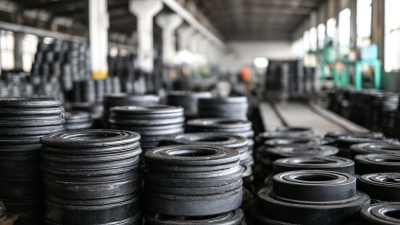
The market for custom rubber extrusions is witnessing significant growth. Industries are increasingly relying on these versatile materials for various applications. From automotive to construction, rubber extrusions are essential. Their adaptability makes them a favorite for sealing, insulating, and cushioning.
As customization becomes more popular, companies are seeking precise specifications. The desire for unique products drives innovation in rubber extrusion technology. Businesses are looking for materials that meet specific industry standards. This trend indicates a shift towards personalized solutions. Manufacturers must stay agile to adapt to these changing demands.
Tips: When selecting rubber extrusions, consider the environmental impact. Use materials that are sustainably sourced. Assess your supplier's capabilities thoroughly. Ensure they can meet your specifications accurately. Don't overlook the importance of testing samples before full-scale production. This can prevent costly mistakes down the line. Keep in mind that as the industry evolves, continuous learning is vital. Stay updated on new materials and techniques.