What Is Bracket Rubber Used For?
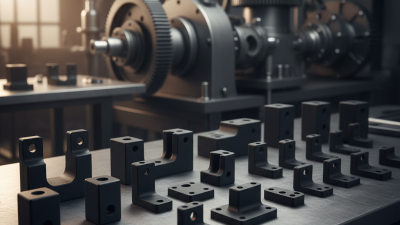
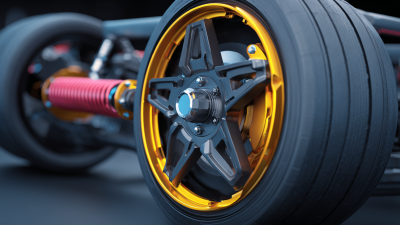
What Is Bracket Rubber Used For? The answer begins with vibration control. Bracket Rubber is a flexible component placed between a bracket and the part it supports. It commonly appears in automotive mounts, exhaust systems, machinery frames, air-conditioning units, and industrial equipment. Its job is simple, but important.
“Rubber performance depends on material, design, and service conditions,” explains Dr. James E. Mark, a respected polymer scientist and author in rubber technology. That principle applies directly to Bracket Rubber. A properly selected piece can absorb engine movement, reduce rattling, limit metal-to-metal contact, and protect mounting holes from repeated shock. You may notice it as a small black sleeve, bush, pad, or grommet. Small part. Real responsibility.
In practical use, the rubber must match its environment. Heat near an exhaust bracket can harden ordinary compounds. Oil, water, road salt, and ultraviolet exposure can also weaken the material. Mechanics often inspect cracked edges, flattened sections, loose sleeves, and unusual vibration. However, not every noise comes from failed Bracket Rubber. A bent bracket, loose fastener, or worn mount may create similar symptoms. That distinction matters.
The best choice depends on hardness, shape, load direction, temperature range, and chemical exposure. Natural rubber may provide excellent flexibility, while EPDM or silicone may suit different conditions. The wording can be confusing, too. Some suppliers call these parts bushes, isolators, mounts, or rubber cushions. This article explains their main uses, practical benefits, warning signs, and selection considerations. It also acknowledges an imperfect reality: rubber parts rarely fail for only one reason.
What Is Bracket Rubber?
Bracket rubber, often called an elastomeric ligature, is the small elastic ring placed around an orthodontic bracket. It holds the archwire inside the bracket slot. This keeps the wire aligned while controlled pressure guides tooth movement. Some designs also connect several teeth as a power chain. The term is slightly imprecise. Not every bracket rubber contains natural rubber; many use synthetic elastomeric polymers.
Its performance changes inside the mouth. Saliva, chewing, temperature, brushing, and food pigments can affect elasticity and appearance. Research reviewed in the American Journal of Orthodontics and Dentofacial Orthopedics reports noticeable force decay during clinical use, although results vary by material and design. ISO 15841:2014 also recognizes force delivery and material testing as important quality factors for orthodontic elastomeric accessories. In practice, an orthodontist may replace these rings during adjustment visits because weakened ligatures may hold the wire less effectively.
Bracket rubber is mainly a retention component, not a standalone tooth-moving device. It does not straighten teeth by itself. Its job is quieter but essential. A loose or broken ring can allow the wire to shift locally, causing discomfort or reducing control. Still, the exact effect depends on the bracket system, wire size, treatment stage, and patient habits. That variability deserves attention. General online claims about “stronger” or “faster” rubber are often too simple and may not reflect clinical evidence.
What Is Bracket Rubber Used For?
Bracket rubber, also called an elastomeric ligature, is used in orthodontics to hold the archwire inside the slot of a dental bracket. It helps keep the wire seated while the wire applies controlled forces to guide tooth movement.
Key point: Bracket rubber mainly retains the archwire. The wire and orthodontic treatment system provide the forces that move teeth; the rubber itself is not usually the primary source of tooth-moving force.
How Bracket Rubber Works
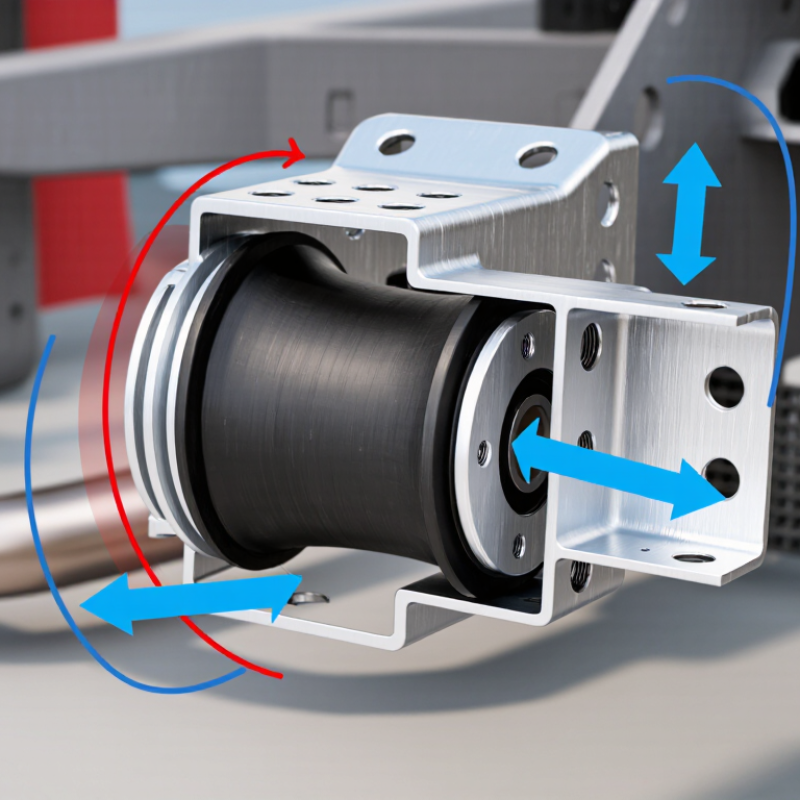
Bracket rubber is a flexible isolator placed between a bracket and the part it supports. It may look simple, but its movement control is carefully engineered. When the assembly vibrates, the rubber compresses, stretches, or twists slightly. This deformation absorbs part of the energy before it reaches the bracket, frame, or nearby equipment.
The rubber also separates metal surfaces. That reduces rattling, impact noise, and wear caused by direct contact. Its stiffness matters greatly. A soft compound can isolate low-level vibration, while a firmer compound can support heavier loads. Engineers usually consider load direction, temperature, moisture, and exposure to oils before selecting a material. A mounting part that works well indoors may age faster near heat or road spray.
Small details affect performance. The bolt should hold the assembly securely without crushing the rubber. Misalignment can create uneven stress, leading to cracks or permanent deformation. During inspections, flattened edges, surface splits, unusual movement, or new noise deserve attention. These signs do not always prove immediate failure, but they suggest the rubber is no longer working evenly. It is not a perfect fix. Bracket rubber cannot correct a badly designed mount or excessive vibration by itself. I would also avoid judging it by appearance alone; a part may look intact while losing its flexibility inside.
Common Uses of Bracket Rubber
What Is Bracket Rubber Used For?
Common Uses of Bracket Rubber
Bracket rubber usually means the small elastic ring placed around an orthodontic bracket. Its main job is simple: holding the archwire securely inside the bracket slot. This connection helps the wire deliver controlled pressure as teeth gradually move. The rubber may be clear, silver, or brightly colored. Patients often choose colors during adjustment visits.
Bracket rubber also supports different stages of treatment. A tight elastic ring can keep the wire stable while the orthodontist corrects crowding or rotation. A connected chain of rubber rings, called an elastic chain, may help close spaces between teeth. These parts look small, but their tension can influence how force reaches each bracket. They do not straighten teeth alone.
Cleanliness matters. Food can collect around the rubber, especially after eating sticky or fibrous foods. Gentle brushing and careful cleaning around each bracket reduce buildup and staining. Discolored rubber does not always mean poor hygiene; some foods and drinks stain clear materials quickly. That detail is easy to overlook.
Bracket rubber can loosen or break before the next appointment. Do not replace it with household elastic. Contact the orthodontic office for proper guidance, because the correct size and tension depend on the treatment plan. Not every patient needs the same rubber, and assuming otherwise can delay progress.
Types and Materials of Bracket Rubber
What Is Bracket Rubber Used For?
Bracket rubber usually means an elastic ligature placed around an orthodontic bracket. It holds the archwire inside the bracket slot. The wire can then deliver controlled pressure to guide tooth movement. Some elastomeric modules also come as power chains. These connected rings help close spaces between teeth. The effect depends on wire size, tooth position, and treatment stage. It is not simply decorative.
Types and Materials of Bracket Rubber
The common types include single ligatures, connected power chains, and small separator rings. Most modern products use medical-grade polyurethane because it is flexible, lightweight, and easy to replace. Natural latex may appear in some products, but latex-free polyurethane is often preferred for sensitive patients. Metal ligatures offer stronger retention, though they are not rubber. A 2023 systematic review in the Journal of Orthodontics reported noticeable force loss in elastomeric chains over time, especially during the first weeks. That detail matters. Elastic does not mean constant.
Tips: Ask which material is being used, especially with a latex allergy. Brush around each bracket with a small interdental brush. The WHO Global Oral Health Status Report 2022 records about 2 billion untreated caries cases in permanent teeth. Sticky foods and dark drinks can stain clear modules and trap plaque. Replace damaged or loose ligatures promptly. I would not call one type universally better; comfort, force decay, hygiene, and clinical goals all matter.
Benefits, Limitations, and Replacement Considerations
What Is Bracket Rubber Used For?
Bracket rubber usually refers to the small elastic ligatures placed around orthodontic brackets. They hold the archwire inside each bracket slot, helping the wire guide teeth toward planned positions. Some rubber elastics connect the upper and lower arches to influence bite alignment. Their force is simple, but timing and placement matter.
The main benefit is practical control. A secure wire can deliver steady pressure while patients eat, speak, and brush. Many elastics also add comfort because they cushion small contact points between metal parts and the mouth. However, bracket rubber has limitations. It can lose force, stretch unevenly, collect plaque, or stain after contact with curry, coffee, or colored drinks. Latex sensitivity is another concern, although non-latex options are available. The rubber does not move teeth by itself.
Replacement depends on the rubber’s function and the orthodontist’s instructions. Ligatures are commonly changed during adjustment visits, while interarch elastics may need daily replacement. A loose, broken, painful, or visibly dirty elastic should not be ignored. Do not substitute household rubber bands. They may deliver unsafe forces or contain unsuitable materials. Good brushing around each bracket is essential, especially near the gumline. In practice, patients often underestimate how quickly elastics weaken. That assumption can delay treatment. Still, replacement timing is not identical for everyone, and the correct interval should be confirmed during a professional examination.