Why Choose Bespoke Rubber Moulding for Your Project?
In the realm of manufacturing, Bespoke Rubber Moulding stands out as a critical component. According to industry reports, the global rubber market is projected to exceed $41 billion by 2025, highlighting the growing demand for tailored solutions. Custom rubber moulding allows companies to create products that specifically meet their design and functionality requirements.
Bespoke Rubber Moulding offers distinct advantages over standard options. It ensures precision and consistency in production. A study from the Rubber Products Association indicates that 70% of businesses prioritize custom components for enhanced performance. This approach not only meets specific project needs but also can reduce waste and overhead costs in the long run.
However, the process can be challenging. Collaborative efforts between designers and manufacturers are essential. Miscommunication can lead to unexpected results. Understanding the client's vision and requirements is crucial for success. In this fast-evolving market, investing in bespoke solutions can yield significant rewards, yet it demands constant reflection and adjustment to market trends and client feedback.
Understanding Bespoke Rubber Moulding and Its Advantages
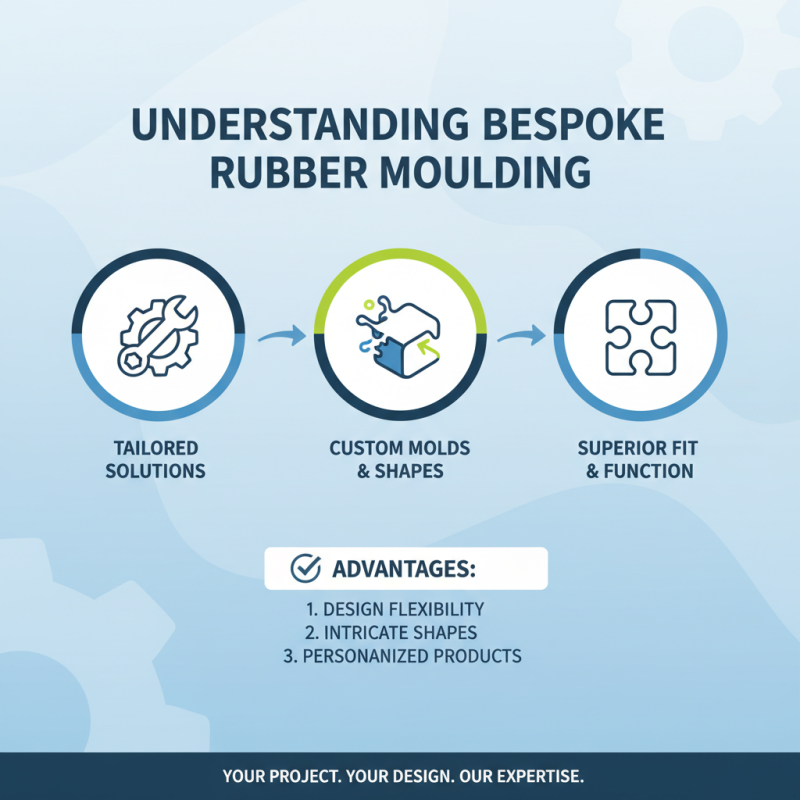
Bespoke rubber moulding offers unique solutions tailored to specific project needs. This process involves creating custom molds based on precise specifications. It allows for greater flexibility in design compared to standard options. You can achieve intricate shapes and sizes with bespoke methods. This personalization often leads to superior fit and function in final products.
Consider the material properties required for your project. Different applications need varying levels of hardness, flexibility, and durability. Bespoke rubber moulding helps to meet these diverse requirements effectively. It's essential to work alongside skilled professionals during this process. Skilled artisans can address any concerns that arise and refine the design as necessary.
Cost can be a consideration with bespoke solutions. While initial expenses may appear higher, the long-term benefits can outweigh these costs. Investing in custom moulding often leads to reduced waste and fewer errors during production. It's also worthwhile to reflect on the balance between customization and budget. Finding this balance is key to a successful project.
Key Benefits of Choosing Bespoke Rubber Moulding for Projects
Bespoke rubber moulding offers unique advantages for various projects.
Customization is the standout benefit. According to industry reports, tailored solutions can reduce waste by up to 30%. This efficiency stems from producing components that meet precise specifications.
By opting for bespoke moulding, industries can achieve enhanced performance. Custom parts can withstand specific temperatures and pressures better than standard options. For instance, specialized formulations can improve durability and resistance to environmental factors. Such tailored characteristics often lead to longer product lifespans.
Tip: Focus on clear specifications when discussing your needs with manufacturers. This clarity can save time and money.
Cost-effectiveness is another vital aspect. Although bespoke solutions can have higher initial costs, they often result in long-term savings. Data shows that standardized parts can lead to a 25% higher failure rate.
Investing in custom moulding minimizes these risks, improving overall project outcomes.
Tip: Consider the total cost of ownership rather than just upfront expenses. Long-term reliability can offset initial investment.
Issues may arise if specifications are vague. Misunderstandings can lead to rework, impacting timelines. It’s crucial to communicate effectively with your production partner. Close collaboration can help ensure the final product aligns with your expectations.
Applications of Bespoke Rubber Moulding Across Industries
Bespoke rubber moulding is becoming essential across various industries. From automotive to healthcare, custom rubber parts play a vital role. In the automotive sector, unique components enhance vehicle performance and safety. Custom seals and gaskets help prevent leaks and improve durability. Each part is specially designed to meet specific needs.
In the medical field, bespoke rubber products ensure patient safety. Customised grips, tubes, and seals are crucial for medical devices. These parts must meet strict regulations. They must also withstand various sterilization methods. This presents challenges in material selection and design. Manufacturers need to focus on precision and quality.
The construction industry also benefits from bespoke rubber moulding. Custom seals improve energy efficiency in buildings. However, ensuring compatibility with various materials can be tricky. Each application requires meticulous planning and testing. This highlights the importance of collaboration during the design phase. Understanding the end-use is vital for success.
Applications of Bespoke Rubber Moulding Across Industries
Factors to Consider When Selecting a Bespoke Rubber Moulding Service
When selecting a bespoke rubber moulding service, consider your specific needs. Custom rubber parts vary widely. Understanding your project requirements is crucial. What dimensions do you need? What specific rubber types do you prefer? These details impact the final product.
Quality and expertise are also vital. Some services may lack experience. Check for proven tracks in similar projects. Ask for samples to assess craftsmanship. It's essential to research materials too. Some rubber types perform better under certain conditions. Don't overlook this aspect.
Pricing should fit your budget but not compromise quality. Be cautious of unusually low bids; they often indicate inferior materials or outcomes. Also, timelines matter. Understand the production time frame. Delays can haunt your project. Make sure the service can meet your deadlines. Flexibility is an important trait to look for.
Why Choose Bespoke Rubber Moulding for Your Project?
| Factor |
Description |
Importance Level |
| Customization |
Bespoke rubber moulding allows for specific shapes and sizes that meet precise project requirements. |
High |
| Material Selection |
Choose from a variety of rubber compounds to match physical properties needed for the application. |
High |
| Cost Efficiency |
Long-term savings through tailored production processes reducing waste. |
Medium |
| Lead Time |
Timeframe for producing custom components can vary; consider project timelines. |
Medium |
| Quality Control |
Assessing the quality assurance processes of the moulding service is essential for reliability. |
High |
The Process of Creating Custom Rubber Mouldings for Your Needs
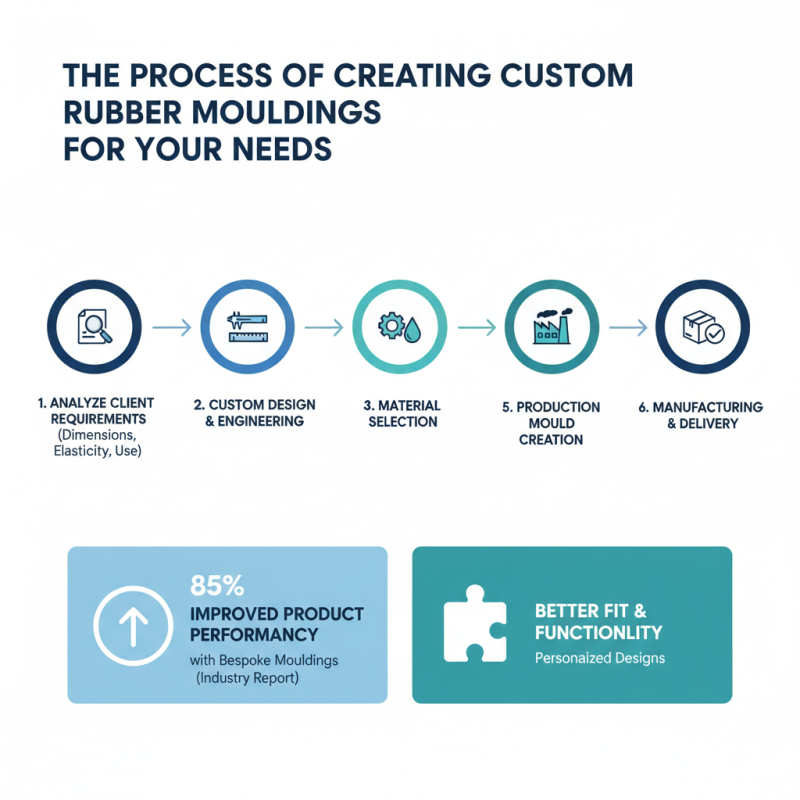
Creating custom rubber mouldings is a detailed process. It begins with analyzing client requirements. This involves understanding dimensions, elasticity, and intended use. According to industry reports, 85% of manufacturers see improved product performance with bespoke mouldings. Personalized designs often lead to better fit and functionality.
The actual moulding process includes several stages. Initial sketches transform into CAD models. Next, prototypes are created. These prototypes help identify potential flaws. More than 70% of projects benefit from adjustments made during this phase. The rubber is then mixed according to specific formulas, ensuring durability and resistance to wear.
Lastly, the moulding takes place, involving heating and curing. This stage requires precision. Too much heat can ruin a batch. Quality control measures follow, ensuring every mould meets standards. Many producers face challenges, such as maintaining consistency during production. Finding the right balance in materials can be tricky but is essential for successful outcomes.