



Introduction to Natural Rubber - SKY RUBBER
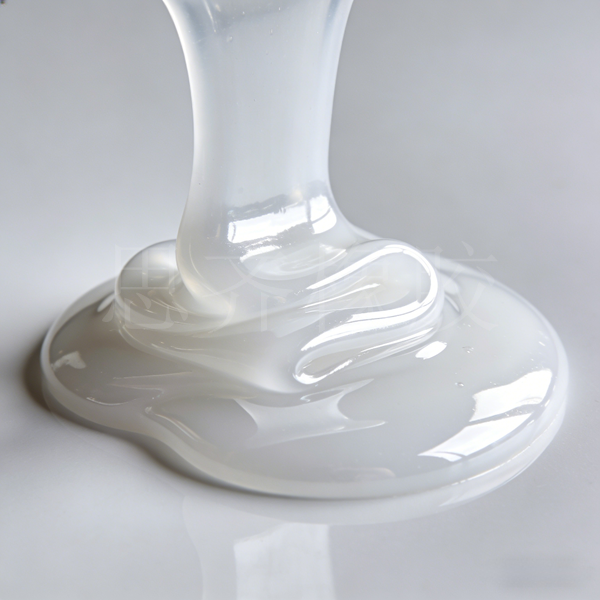
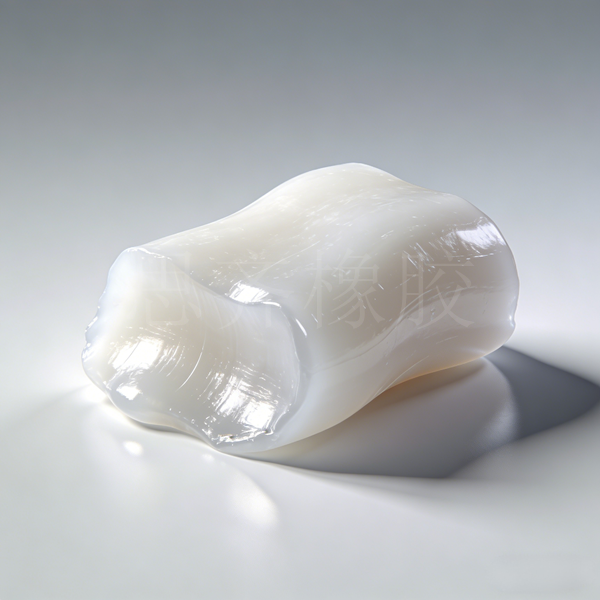
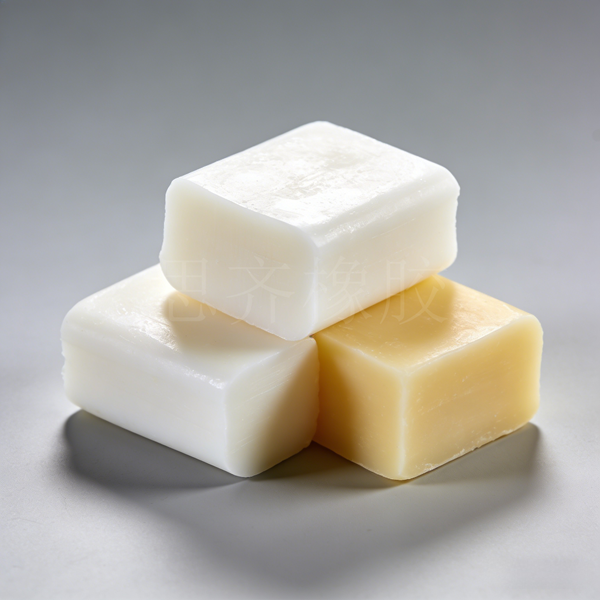
Natural rubber refers to rubber obtained from plants. There are about 200 kinds of plants on Earth that can biosynthesize rubber, the main one being the Brazilian rubber tree, followed by silver chrysanthemum, rubber grass, eucommia, etc.
NR contains 92%-95% rubber and 5%-8% non-rubber, and is almost entirely composed of cis-1,4-polyisoprene, with a high degree of molecular structure regularity.
The glass transition temperature of raw natural rubber is -72℃, the viscous flow temperature is 130℃, the initial decomposition temperature is 200℃, and the violent decomposition temperature is 270℃. After vulcanization, the glass transition temperature (Tg) of natural rubber increases, and viscous flow no longer occurs.
Performance characteristics:
Advantages: High elasticity, high tensile strength , excellent tear resistance and electrical insulation, good abrasion resistance and cold resistance, good processability, easy to bond with other materials, and superior overall performance compared to most synthetic rubbers.
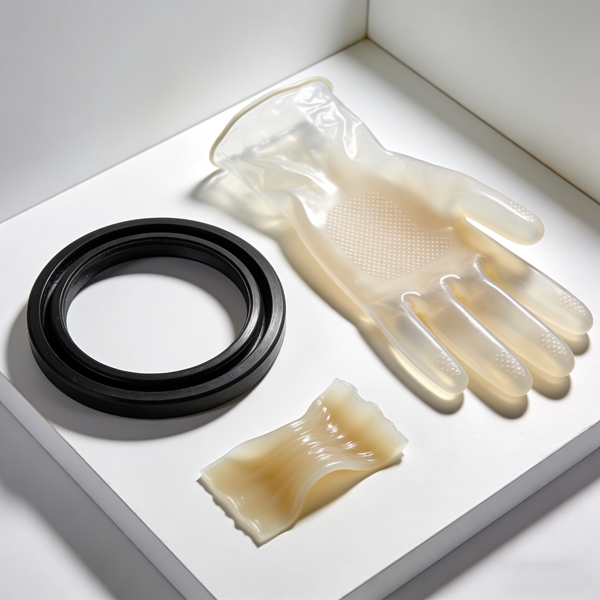
Disadvantages: Poor resistance to oxygen and ozone, prone to aging and deterioration; poor resistance to oil and solvents, low resistance to acid and alkali corrosion; low heat resistance. Operating temperature range: approximately -50 to +80℃.
Main uses :
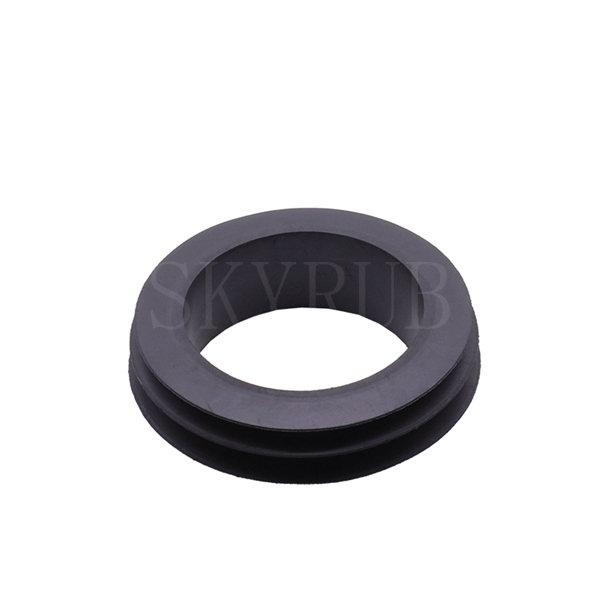
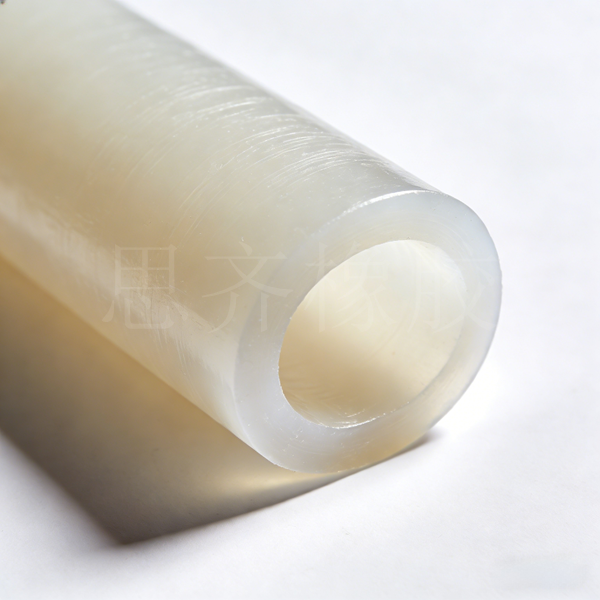
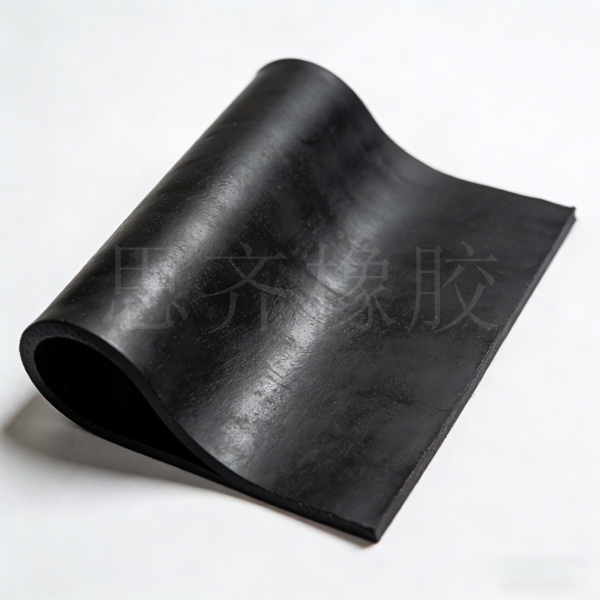
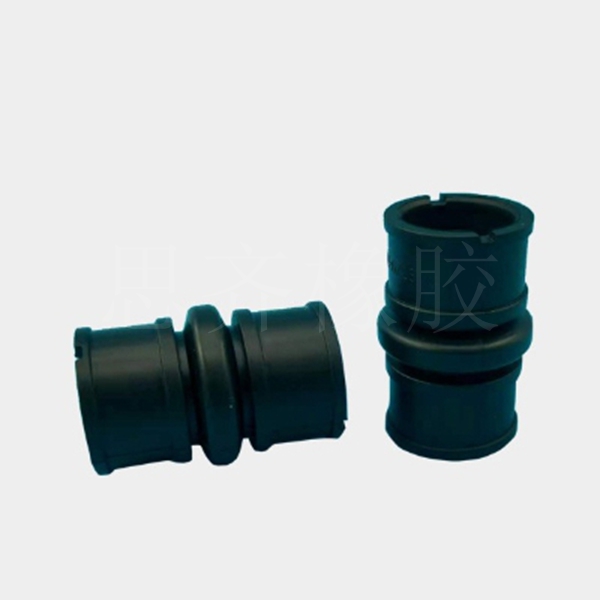
It is used to manufacture insulation and sheathing for tires, rubber shoes, hoses, belts, wires and cables, and other general-purpose products. It is particularly suitable for manufacturing torsional vibration dampers, engine shock absorbers, machine mounts, rubber - metal Suspension Components, diaphragms, and molded products.
| Product share % | |||
| tire | 68.0 | shoes | 5.5 |
| mechanical products | 13.5 | Latex products | 9.5 |
| adhesives | 1.0 | other | 2.5 |