What are the Benefits of Using Rubber Isolation Mounts?
Rubber Isolation Mounts are key components in various industries, offering effective vibration and shock control. According to a recent report from the Vibration Control Association, using these mounts can reduce equipment wear by up to 30%. This statistic highlights their importance in maintaining equipment performance and longevity.
Dr. Emily Mason, an expert in mechanical engineering, emphasizes the critical role of Rubber Isolation Mounts. "They not only enhance comfort but also protect sensitive equipment from damage," she notes. This dual benefit makes them invaluable in sectors ranging from automotive to aerospace.
As industries increasingly focus on reducing maintenance costs, the reliance on quality isolation mounts grows. However, not all mounts perform equally. Organizations must select the right type based on specific applications. The diversity in materials and designs can lead to confusion, and selecting the wrong mount may lead to inadequate vibration reduction. Awareness of these factors is essential for maximizing the benefits of Rubber Isolation Mounts.
What are Rubber Isolation Mounts?
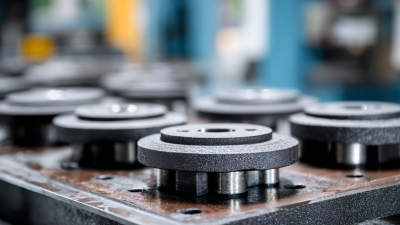
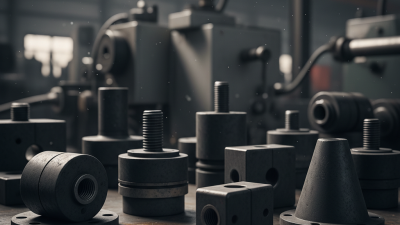
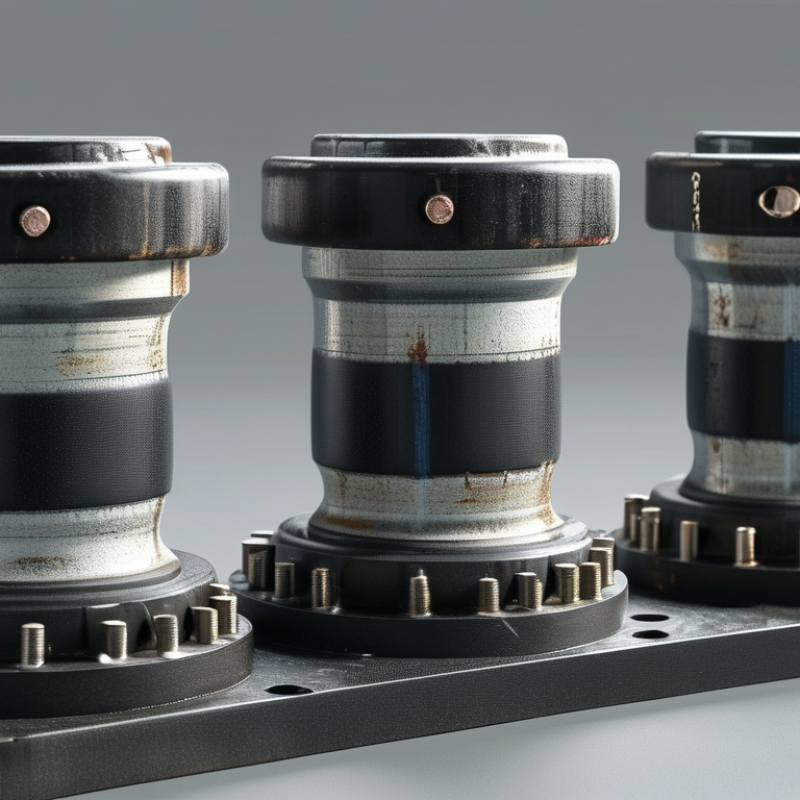
Rubber isolation mounts are mechanical components used to dampen vibrations and shock. They are typically made of rubber or elastomer materials. These mounts are installed in machinery and vehicles to minimize the effects of vibration on sensitive parts. Their primary function is to absorb and dissipate energy, ensuring smoother operation.
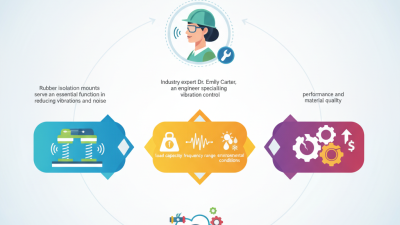
Engineers select rubber isolation mounts for various applications. They can reduce noise and prevent damage to equipment. The specific design of these mounts allows them to handle different loads and frequencies. However, the quality of the rubber and its aging can affect performance over time. Proper selection is critical to achieving the desired level of isolation.
In practical terms, the effectiveness of rubber isolation mounts may vary. Installation errors can lead to inadequate vibration dampening. Regular maintenance is essential to ensure their integrity. Users must regularly inspect these mounts for wear and tear. Understanding the material properties and environment is vital for optimal results.
Benefits of Using Rubber Isolation Mounts
Key Features of Rubber Isolation Mounts
Rubber isolation mounts play a critical role in various industries. They are essential for reducing vibrations and isolating different components. These mounts are often used in machinery and vehicles, where noise and vibrations can affect performance. According to a recent industry report, proper isolation can enhance the lifespan of equipment by up to 30%.
Key features of rubber isolation mounts include their ability to absorb vibrations across a wide frequency range. This characteristic is particularly useful in industrial settings, where machinery operates continuously. Additionally, rubber mounts can withstand significant loads while maintaining their performance. A study showed that mounts designed with high durability can handle extreme temperatures, ensuring reliability under harsh conditions.
While rubber isolation mounts provide many advantages, there are limitations. Over time, rubber can degrade due to environmental factors. Regular inspection is necessary to assess their condition. It’s important to balance performance and longevity. Understanding these factors can lead to improved decisions in selecting the right isolation solutions.
Benefits of Rubber Isolation Mounts in Vibration Control
Rubber isolation mounts offer significant advantages in vibration control across various applications. These mounts are designed to absorb and isolate vibrations generated by machinery, equipment, or structural movements. By utilizing rubber, they effectively dampen high-frequency vibrations that would otherwise transfer to sensitive components. This protection helps reduce wear and tear, extending the lifespan of the machinery and related systems.
In industrial settings, the use of rubber mounts is crucial. They contribute to a quieter environment, minimizing noise pollution. Less noise creates a more comfortable workspace, enhancing productivity. They also improve safety by preventing equipment from vibrating excessively, which could cause mechanical failure. However, not all rubber mounts are created equal. Selecting the right type and size for specific applications is essential. Incorrect choices can lead to inadequate performance and potential issues down the line.
While rubber isolation mounts excel in many aspects, they require maintenance and periodic inspection. Over time, rubber can degrade due to heat and environmental conditions. Users may need to reassess their installations regularly. This reflection ensures optimal performance, maximizing the benefits of vibration control while fulfilling operational needs. The balance of proper functionality and maintenance should be carefully considered.
Applications of Rubber Isolation Mounts Across Industries
Rubber isolation mounts find extensive applications in various industries, providing vital solutions to vibration and noise issues. In construction, these mounts are utilized to reduce vibrations from heavy machinery. According to industry studies, using rubber mounts can decrease vibration levels by up to 80%. This significant reduction enhances worker comfort and safety at construction sites.
In the automotive sector, rubber isolation mounts are essential for minimizing engine vibrations. Engineers report that implementing these mounts can lead to a smoother ride. Data indicates that cars equipped with effective isolation mounts experience up to a 50% reduction in cabin noise. The benefits extend beyond comfort; they also contribute to prolonged component lifespan, reducing maintenance costs.
However, it is crucial to recognize that not all rubber isolation mounts perform equally. Variability in material composition and design can lead to inconsistencies in effectiveness. Continuous research shows that improper installation can negate potential benefits. Therefore, careful selection and expert installation remain key factors in maximizing the advantages of rubber isolation mounts across diverse applications.
Maintenance and Longevity of Rubber Isolation Mounts
Rubber isolation mounts are vital for effective vibration control in various industrial applications. Their maintenance significantly impacts overall performance and longevity. According to industry reports, regular inspections and maintenance can enhance the lifespan of these mounts by up to 30%. This data reinforces the idea that neglect can lead to premature failures, resulting in costly downtime.
Rubber isolation mounts can degrade due to environmental factors such as UV exposure and extreme temperatures. A study indicates that mounts subjected to harsh conditions may lose their elasticity and strength over time. This degradation often goes unnoticed until vibrations increase, causing machinery wear or failures. Implementing a scheduled maintenance routine can identify wear early and prolong the effectiveness of these mounts.
Regular maintenance includes checking for cracks, tears, and signs of hardening. Experts recommend replacing rubber mounts every five to seven years, depending on operating conditions. Yet, many industries overlook this recommendation. Maintenance activities can be overlooked, leading to higher repair costs. Training staff to recognize early signs of wear can mitigate risks associated with ineffective mounts.