Top Bespoke Rubber Moulding Solutions for Global Buyers?
Bespoke Rubber Moulding is rapidly gaining traction among global buyers seeking tailored solutions. Industry expert Dr. Emily Carter once stated, “Customization is key in the rubber moulding sector.” This highlights the increasing demand for unique products that fit specific applications.
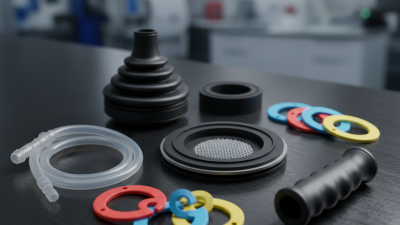
In the world of Bespoke Rubber Moulding, versatility is a hallmark. Manufacturers create products ranging from seals to complex components. However, not every provider meets the diverse needs of buyers. Some struggle with scalability, while others lack the expertise for specialized projects. It’s essential to choose a supplier with proven experience and a solid reputation.
The landscape of Bespoke Rubber Moulding is competitive and evolving. Buyers must navigate various options to find reliable partners. Transparency in production processes is critical. Without it, trust diminishes, and project delays increase. Buyers deserve clear communication and dependable service to achieve successful outcomes.
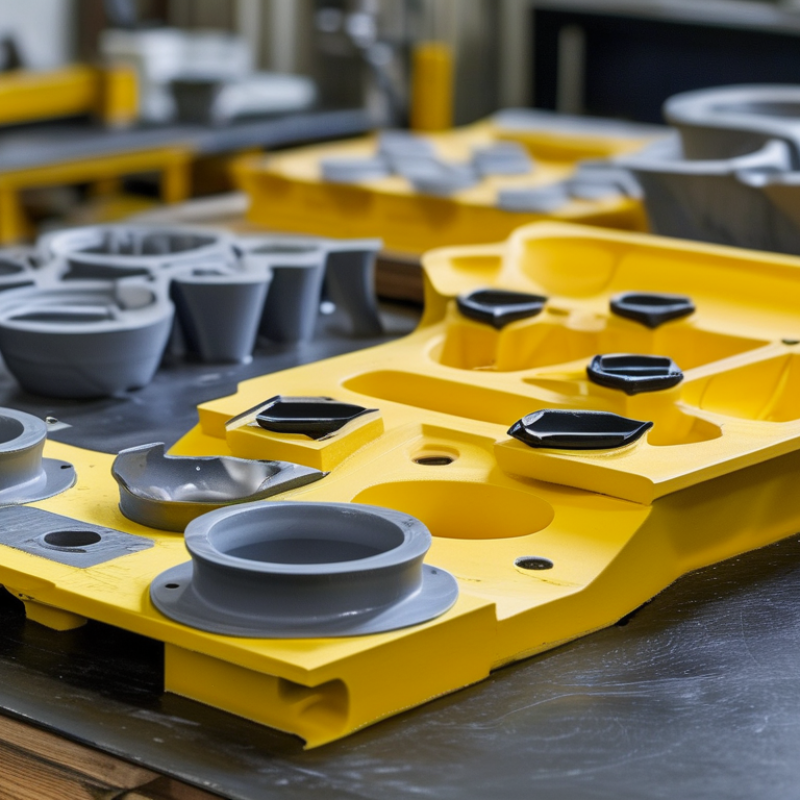
Types of Bespoke Rubber Moulding Solutions Available in the Market
Bespoke rubber moulding solutions have gained traction across various industries, providing tailored options for specific needs. The global market for rubber moulding is projected to reach USD 32 billion by 2025. This growth reflects the demand for customized components in automotive, aerospace, and consumer goods. Each sector requires unique specifications, which bespoke solutions can fulfill effectively.
There are several types of bespoke rubber moulding available. Liquid Silicone Rubber (LSR) is favored for its flexibility and durability. It suits high-temperature applications, making it ideal for automotive parts. Thermoplastic Elastomers (TPE) offer another option, combining the benefits of plastic and rubber. TPE is environmentally friendly and recyclable, attracting a growing customer base.
Additionally, compression moulding is a commonly used technique for creating intricate designs. It allows for the production of diverse shapes with minimal waste. Despite its advantages, the process can be time-consuming. Manufacturers often need to balance quality and efficiency, reflecting the complexities of tailored production. These varying solutions showcase the industry's adaptability, emphasizing the importance of understanding client needs to optimize performance.
Key Industries that Benefit from Custom Rubber Moulding Services
Custom rubber moulding plays a crucial role in various industries. The automotive sector relies heavily on rubber components for insulation and seals. These parts must meet strict durability standards. High-quality rubber can reduce noise and vibration, enhancing the driving experience. Moreover, the healthcare industry benefits from bespoke rubber solutions. Specialized moulding creates precise gaskets and seals for medical devices. Reliable and safe materials are essential in this field.
The aerospace industry also demands custom rubber parts. Seals and grommets protect sensitive equipment from environmental challenges. In this sector, precision is non-negotiable. Bespoke rubber solutions meet specific design requirements, ensuring functionality and safety.
Construction is another key area. Rubber mouldings provide weatherproofing and insulation for buildings. They help in energy efficiency, offering long-lasting performance. However, finding the right supplier can be challenging. Buyers need to consider factors like material quality and lead times. Balancing cost with quality often requires careful thought and research. Effective partnerships with trustworthy manufacturers are vital for success.
Top Bespoke Rubber Moulding Solutions for Global Buyers
| Industry |
Application |
Benefits of Custom Moulding |
Common Materials |
| Automotive |
Seals, gaskets, and vibration dampeners |
Improved durability and performance |
Silicone, EPDM, Nitrile |
| Medical |
Medical device components, seals |
Biocompatibility and precision |
Silicone, Viton, Natural rubber |
| Aerospace |
Gaskets, seals, and insulation |
Weight reduction and thermal resistance |
Neoprene, Silicone, Fluorosilicone |
| Construction |
Expansion joints, seals |
Weather resistance and longevity |
SBR, Neoprene, EPDM |
| Consumer Products |
Footwear, household goods |
Customization and aesthetic appeal |
Natural rubber, TPR, EVA |
Factors to Consider When Choosing a Rubber Moulding Supplier
When selecting a rubber moulding supplier, buyers should evaluate several crucial factors. The quality of materials used can significantly affect product performance. According to the Rubber Manufacturers Association, over 70% of rubber parts failures stem from poor material choices. Ensuring compliance with industry standards is essential. Look for suppliers who adhere to ISO 9001 certifications, as this reflects a commitment to quality management.
Lead times are another important consideration. In a global market, timely delivery is often critical. Research shows that delays in rubber component supply chains can lead to production downtimes. Buyers should inquire about a supplier’s typical lead times and their capacity to meet urgent requirements. A transparent communication process is vital in preventing misunderstandings.
Cost-effectiveness cannot be overlooked. While it may be tempting to choose the least expensive option, assessing total cost of ownership is imperative. This includes considering the supplier's reliability and the durability of their products. Sometimes, paying slightly more for high-quality moulding can result in long-term savings. Counterintuitively, an untested supplier might present initial cost advantages but lead to larger expenses down the line.
Global Trends in Rubber Moulding Technologies and Innovations
In recent years, rubber moulding technologies have advanced remarkably. Innovations are emerging amid growing sustainability concerns. Global buyers increasingly demand custom solutions that meet specific requirements. This shift pushes manufacturers to adapt quickly to market changes. Eco-friendly materials offer a promising alternative. They help reduce the environmental impact while maintaining quality.
One noteworthy trend is the rise of automation in the production process. Automation improves efficiency and consistency in rubber moulding. It minimizes labor costs and reduces human error. Buyers should carefully consider how these advancements can benefit their projects. Customisation is now easier with technology's help, but it can also complicate production. Adopting new methods requires careful planning and training.
Tips for navigating these trends include staying informed about industry developments. Engaging with experts can help understand the best practices. Keep an open line of communication with suppliers, allowing for better collaboration. Remember, innovation comes with challenges. Assessing risks and being flexible can lead to better outcomes in bespoke rubber moulding solutions.
Best Practices for Collaborating with Rubber Moulding Manufacturers
Collaborating with rubber moulding manufacturers requires diligent planning. Establish clear communication from the start. Define your requirements clearly. This includes materials, design specifications, and production timelines. Misunderstandings can lead to costly delays or product defects.
Understanding the manufacturer's capabilities is crucial. Not all factories have the same equipment or expertise. Ask for samples before committing to larger orders. This helps gauge their quality and precision. Visiting the facility is beneficial, though not always feasible. Virtual tours can offer insights into their operation.
Trust is built through transparency. Share your visions and expectations openly. A good partner will provide insights and suggestions. However, some manufacturers may avoid constructive criticism. Reflecting on past collaborations can reveal strengths and weaknesses. It’s essential to learn from these experiences for future projects.
Top Bespoke Rubber Moulding Solutions for Global Buyers
This chart illustrates the demand for bespoke rubber moulding solutions across various industry sectors, highlighting the automotive and consumer goods sectors as the leading areas of interest for global buyers.