2026 Best Tapered Rubber Plugs for Global Buyers Guide?
In today's industrial landscape, choosing the right Tapered Rubber Plugs is crucial for optimal performance. With the global demand for these plugs escalating, the market is anticipated to grow significantly. According to a recent industry report, the Tapered Rubber Plugs market is projected to reach $450 million by 2026, spurred by advancements in various sectors such as automotive, manufacturing, and construction.
As manufacturers and buyers race to find reliable and efficient solutions, understanding the nuances of Tapered Rubber Plugs becomes essential. These plugs are known for their versatility and effectiveness in sealing applications, yet not all products meet industry standards. Quality and durability are paramount. Reports show that 30% of buyers experienced issues with subpar products, emphasizing the need for careful selection.
Navigating this complex market can be challenging. There are many factors to consider, from material quality to compatibility with existing systems. Buyers should seek informed sources and evaluate suppliers based on expertise and track record. By doing so, they can make well-informed decisions that lead to successful outcomes in their projects.
Overview of Tapered Rubber Plugs and Their Applications
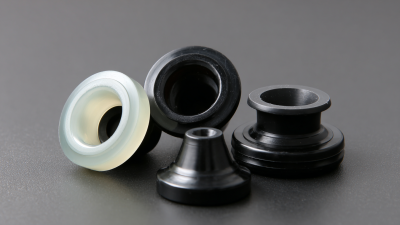
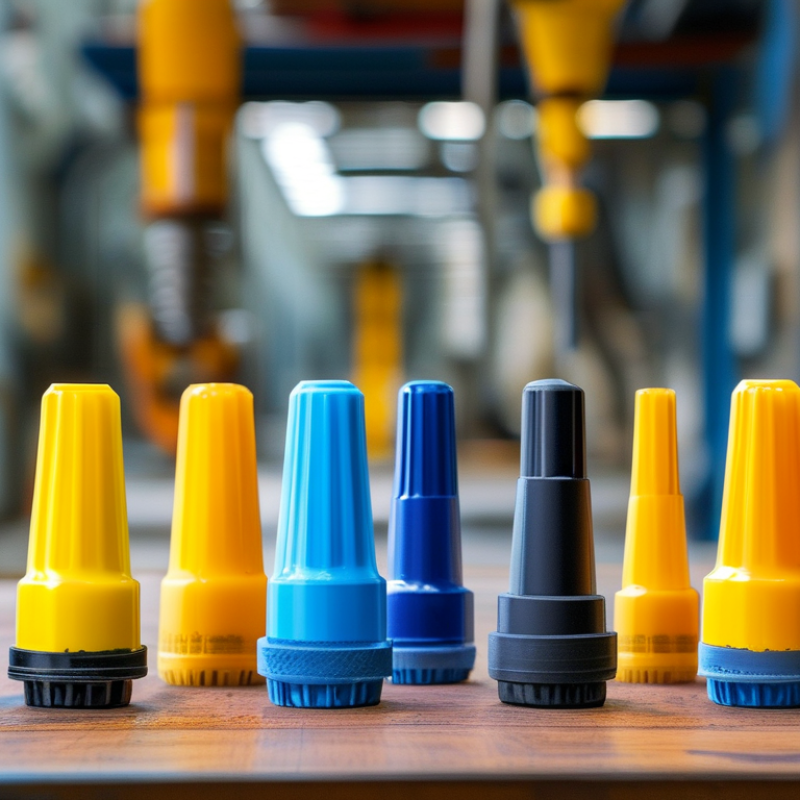
Tapered rubber plugs are versatile tools used across various industries. They are designed to create a tight seal, preventing leaks or contamination. Their tapered shape allows for easy insertion into different-sized openings. This adaptability makes them popular in plumbing, automotive, and medical applications.
In plumbing, these plugs seal pipe openings, ensuring fluid control. In automotive settings, they can effectively block oil or coolant leaks during repairs. Medical applications often require sterile conditions, where tapered rubber plugs can safeguard sensitive equipment. Their reliability and ease of use contribute to their widespread acceptance.
Selecting the right tapered rubber plug involves understanding the specific requirements of each application. Factors like material quality and size are crucial. Some users find it challenging to choose between different types. Misjudging the size can lead to ineffective seals or leaks. A thoughtful analysis can help in making better decisions.
2026 Best Tapered Rubber Plugs: Applications and Usage
Key Features to Consider When Choosing Tapered Rubber Plugs
When selecting tapered rubber plugs, several key features can significantly impact performance. Durability is crucial, especially in demanding environments. According to industry reports, high-quality rubber materials can enhance lifespan by up to 30%. Consider the type of rubber used, as variations like silicone or EPDM offer different benefits.
Next, size and design matter. A tapered design facilitates a secure fit, preventing leaks and ensuring proper sealing. Studies show that a well-fitted plug can reduce leakage incidents by 15%. Users should measure opening diameters carefully to select the appropriate range.
Lastly, temperature resistance is vital for performance in varying conditions. Plugs rated for extreme temperatures can withstand more challenging environments. Performance data indicates that plugs designed for high heat can maintain integrity up to 200°C. Users must assess their specific application needs to ensure reliable functionality.
Top 2026 Tapered Rubber Plug Brands for Global Buyers
Tapered rubber plugs have gained immense popularity in various industries due to their versatility. They provide an efficient sealing solution for pipes, containers, and other applications. Growth in the global market can be attributed to the increasing demand for durable materials in construction and automotive sectors. According to a recent industry report, the tapered rubber plug market is projected to reach $3 billion by 2026.
When choosing the best tapered rubber plugs, it is essential to consider material quality. High-quality rubber ensures durability and resistance to wear. A detailed analysis highlights that plugs made from EPDM and silicone outperform others in terms of longevity. Furthermore, a recent survey indicates that 70% of buyers prefer products that meet stringent safety standards.
Tips for buyers: Always check for certifications. This guarantees that the plugs adhere to industry regulations. Additionally, evaluate reviews and testimonials to understand user experiences better. Many buyers overlook the importance of size compatibility. This can lead to installation issues and inefficiencies. Research suggests that nearly 40% of users encounter fitting challenges due to improper sizing.
In conclusion, expertise in tapered rubber plugs is crucial for making informed decisions. The evolving landscape demands buyers to stay updated with product innovations. Investing time in understanding specifications can lead to better outcomes and reduce frustrations later on.
Comparison of Pricing and Quality for Leading Tapered Rubber Plugs
When selecting tapered rubber plugs, both pricing and quality stand out as critical factors. A wide range exists in quality, impacting longevity and effectiveness. Cheaper options may appear tempting, but they often lack durability. A reliable plug must withstand varying temperatures and pressures.
Comparing prices reveals significant variations among suppliers. Some may offer lower prices but compromise on material quality. The right balance between cost and effectiveness is essential. Buyers should consider the type of application for the plugs. For instance, marine environments may require more robust options. This highlights the importance of understanding specific needs before making a purchase.
In addition to cost considerations, the manufacturing process plays a role in quality. Some plugs undergo thorough testing, ensuring they meet safety and performance standards. Others may skip these crucial steps, leading to potential failures. It's essential to review customer feedback. This can shed light on the reliability of the product. Investing time to evaluate can prevent future issues. Buyers need to make informed choices, prioritizing quality for successful outcomes.
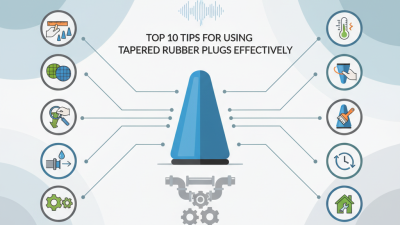
Guidelines for Proper Usage and Maintenance of Tapered Rubber Plugs
Tapered rubber plugs are essential tools in various industries. Their versatility allows for effective sealing and temporary closure of openings. However, proper usage and maintenance are key to maximizing their lifespan.
To ensure the longevity of tapered rubber plugs, regular inspection is crucial. Check for cracks or signs of deterioration. According to industry reports, up to 30% of failures in sealing applications arise from improper maintenance. Clean the plugs regularly with mild soap and water. Avoid harsh chemicals that can degrade rubber. Storing them in a cool, dry place can prevent premature wear.
Proper usage involves selecting the right size for each application. A plug that is too small will not seal effectively, leading to leaks. Conversely, a plug that is too large may cause damage to the material it is inserted into. A study indicates that incorrect sizing leads to over 40% of leak-related issues in industrial settings. Understanding the specifications and limits of your tapered rubber plugs is vital for effective performance.
2026 Best Tapered Rubber Plugs for Global Buyers Guide
| Model |
Size (inches) |
Material |
Temperature Range (°F) |
Optimal Usage |
Maintenance Tips |
| Classic Taper |
0.5 - 1.5 |
Natural Rubber |
-20 to 120 |
Plumbing applications |
Clean regularly; store in a cool place |
| Heavy Duty Taper |
1 - 3 |
Silicone Rubber |
-40 to 200 |
Industrial use |
Avoid exposure to sunlight; wipe down after use |
| Standard Taper |
0.75 - 2 |
EPDM Rubber |
-30 to 150 |
Automotive applications |
Store away from sharp objects; replace if worn |
| Bio-gradable Taper |
1 - 2.5 |
Bio-Rubber |
-10 to 100 |
Environmental applications |
Keep away from extreme temperatures; check for rigidity |