How to Choose the Best Adhesive Rubber Feet for Your Needs?
Choosing the best adhesive rubber feet for your projects is crucial. James Carter, an industry expert at RubberFoot Solutions, once stated, "The right adhesive rubber feet can elevate your product’s performance." This highlights the importance of selecting suitable materials for your needs.
When considering adhesive rubber feet, think about the surface type and load-bearing capacity. Different materials serve diverse applications. For example, soft rubber feet are ideal for delicate surfaces, while tougher options handle heavier loads. Each choice impacts your project’s success.
Realize that not all adhesive rubber feet brands are equal. Some may promise durability but fail in real-world usage. A thoughtful approach to your selection ensures reliability and effectiveness. Reflect on your application requirements and choose wisely.
Understanding the Different Types of Adhesive Rubber Feet Available
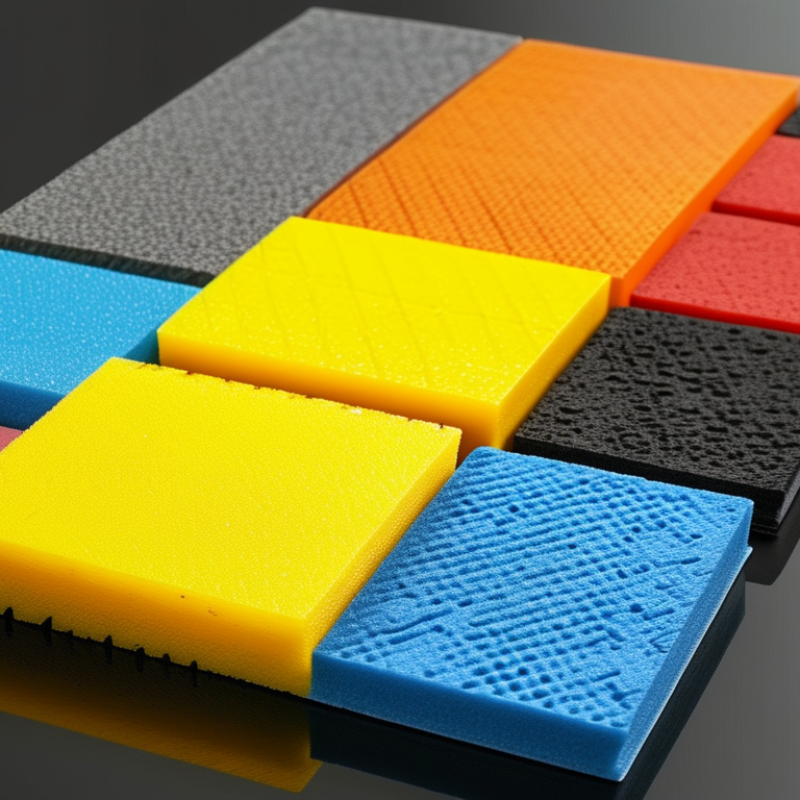
When choosing adhesive rubber feet, it’s vital to understand the types available. Common options include soft rubber, hard rubber, and silicone types. Each material serves different purposes. Soft rubber provides excellent grip while allowing for slight movement. Hard rubber offers stability but may scratch surfaces. Silicone is versatile, resistant to temperature changes, and ideal for outdoor use.
In your selection process, consider the surface type. For smooth surfaces, a softer rubber may bond better. On textured surfaces, a harder rubber can provide durability. Environmental factors also play a role, especially outdoor applications where materials may be exposed to moisture.
Tips: Measure the foot size appropriately. A correct fit ensures optimal adhesion and function. Check the temperature ratings of the materials to ensure they suit your needs. Remember that adhesive strength can vary, so test adhesion on a small area if possible. Reassess your choices based on how well they perform over time.
Identifying Your Specific Needs for Adhesive Rubber Feet
When selecting adhesive rubber feet, it's crucial to identify your specific needs. Different applications require varying characteristics. For instance, the durometer of the rubber can influence grip and stability. A report by the American Society for Testing and Materials (ASTM) indicates that softer rubber typically provides better shock absorption. However, it may wear down faster than firmer options.
Consider the surfaces you intend to use them on. Some adhesives perform better on smooth surfaces, while others are designed for textured areas. A study by the Adhesive and Sealant Council found that incorrect adhesion can lead to product failure in about 30% of applications. Additionally, environmental factors play a role in performance. For example, rubber feet exposed to extreme temperatures or humidity may degrade faster.
Think about the weight and load-bearing needs. A lighter item may not require heavy-duty rubber feet. Yet, something that bears significant weight will need durable options. Users often overlook this aspect, leading to premature wear. Reflect on your specific needs and the environment. Careful consideration can help ensure you select the most appropriate adhesive rubber feet for your application.
Evaluating the Material and Durability of Adhesive Rubber Feet
When selecting adhesive rubber feet, evaluating material and durability is crucial. Different materials offer varying benefits. For instance, silicone rubber provides excellent heat resistance. A report from the Rubber Product Manufacturing Association notes that silicone can withstand temperatures between -100°F to 500°F. This makes it ideal for applications involving high temperatures or fluctuating conditions.
In contrast, natural rubber offers good resilience but tends to degrade under UV exposure. According to industry research, natural rubber has a lifespan of 2 to 5 years, depending on environmental factors. This can lead to challenges in longevity and replacement costs. Therefore, assessing the environment where the rubber feet will be used is vital.
Consider how often the feet will bear weight or experience friction. A study from the American Society for Testing and Materials indicates that materials like polyurethane have better wear resistance than softer alternatives. Soft feet may deform quickly, leading to equipment damage or instability over time. Scratches and loss of grip could occur, raising safety concerns. Understanding these factors ensures you choose adhesive rubber feet that align with your specific needs, ultimately enhancing both function and safety.
Material and Durability Evaluation of Adhesive Rubber Feet
Assessing Adhesive Strength and Application Methods
Choosing the right adhesive rubber feet involves understanding adhesive strength. The adhesive strength determines how well the feet stick to surfaces. Evaluate the weight and material of the items you want to protect. If they are heavy or frequently moved, a stronger adhesive is necessary.
Application methods can influence the effectiveness of adhesive feet. Clean the surface before applying the feet. Dirt or dust can reduce adhesion. Consider the temperature and humidity of the environment. Moisture can weaken the adhesive.
Sometimes, users overlook the importance of testing the adhesion. A quick trial can reveal if the adhesive is strong enough. If it peels off easily, rethink your choice. Observing the long-term performance is essential too. Regularly check if the feet remain securely attached. This ongoing assessment can save you from potential damage.
Considering Size and Shape for Optimal Fit and Functionality
Choosing the right adhesive rubber feet is crucial for ensuring optimal functionality. Size and shape significantly impact the item’s stability and durability. Measure the surface area where the feet will be applied. They must fit well and not be too large or small. An ill-fitting foot can lead to slipping or damage.
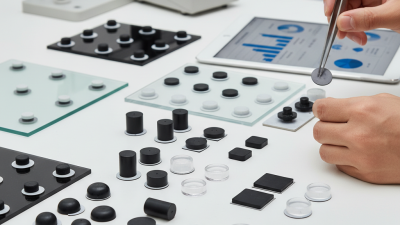
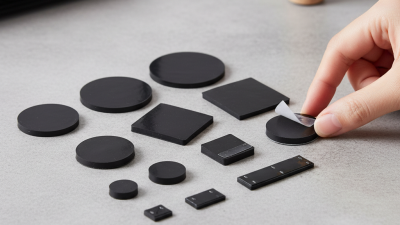
Consider the shape as well. Round rubber feet can provide a different grip compared to square ones. The design influences how well the foot adheres and how it distributes weight. For odd-shaped items, custom-shaped rubber feet might be necessary. Sometimes, a choice might feel right but doesn’t perform well in practice. Testing different options can help refine your selection.
Materials also play a role. Soft rubber offers better grip but may wear out faster. Harder materials last longer but may not provide the same stability. Reflect on your specific needs and choose wisely. Embrace trial and error, as finding the ideal fit often takes effort. Remember, the perfect choice enhances functionality and extends the life of your items.