How to Choose the Right Rubber Edge Protector for Your Needs?
Choosing the right Rubber Edge Protector can be daunting. There are various options available. Each has its unique benefits. Well-known expert in protective solutions, Dr. Emily Carter, emphasizes, "Selecting the right edge protector is crucial for safety and durability."
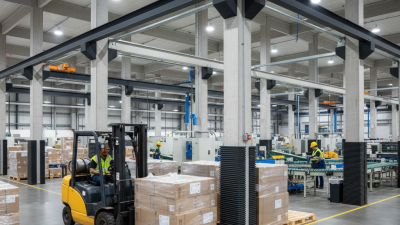
Rubber Edge Protectors serve essential functions in many applications, from commercial buildings to industrial machinery. They provide safety by preventing sharp edges from causing injuries. They also help maintain the integrity of products by reducing wear and tear. The right choice, however, depends on specific needs, such as material type, thickness, and placement.
Yet, selecting the perfect protector isn't always straightforward. Many users overlook subtle details like proper fitting or environmental factors. Additionally, the material quality can vary greatly, leading to questions about its long-term reliability. Reflecting on these aspects can guide you toward a better choice in Rubber Edge Protectors.
Factors to Consider When Selecting a Rubber Edge Protector
When choosing the right rubber edge protector, several factors come into play. The primary consideration is the material's durability. Different formulations of rubber offer varying levels of resilience. According to a study from the Rubber Division of the American Chemical Society, EPDM rubber, for instance, provides excellent weather resistance and longevity. This makes it suitable for both indoor and outdoor use.
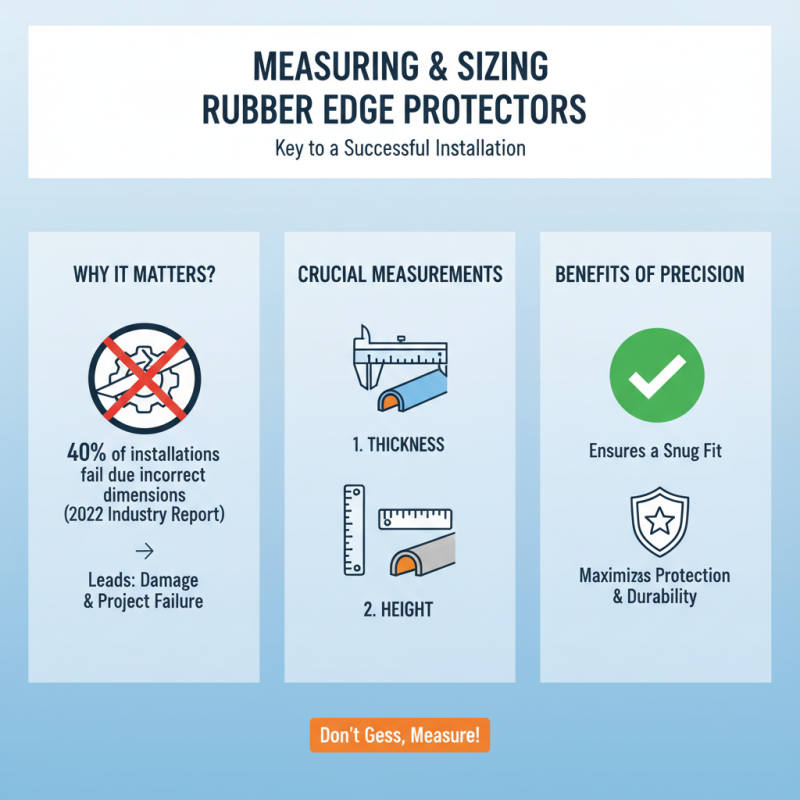
Next, one should consider the thickness and size of the edge protector. A report by the Industrial Rubber Products Association indicates that thicker profiles generally provide better cushioning and protection against impacts. However, selecting a profile that fits snugly on the application is crucial. A mismatch can lead to ineffective protection, increasing vulnerability to damage.
Moreover, the specific application environment is vital. For example, if the edge protector will be exposed to chemicals or potential abrasion, then a specialized compound should be used. Misjudging this can result in premature failure. Consulting with industry professionals can provide guidance that enhances decision-making. Accurate measurements and understanding the application can mitigate mistakes, ensuring that the rubber edge protector effectively meets safety and aesthetic needs.
Rubber Edge Protector Comparison
This chart compares the durability of various types of rubber edge protectors measured in hours. Choosing the right rubber edge protector depends on the specific needs, such as the environment and usage conditions.
Types of Rubber Edge Protectors Available in the Market
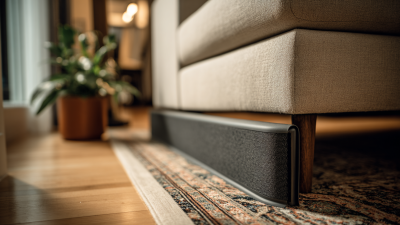
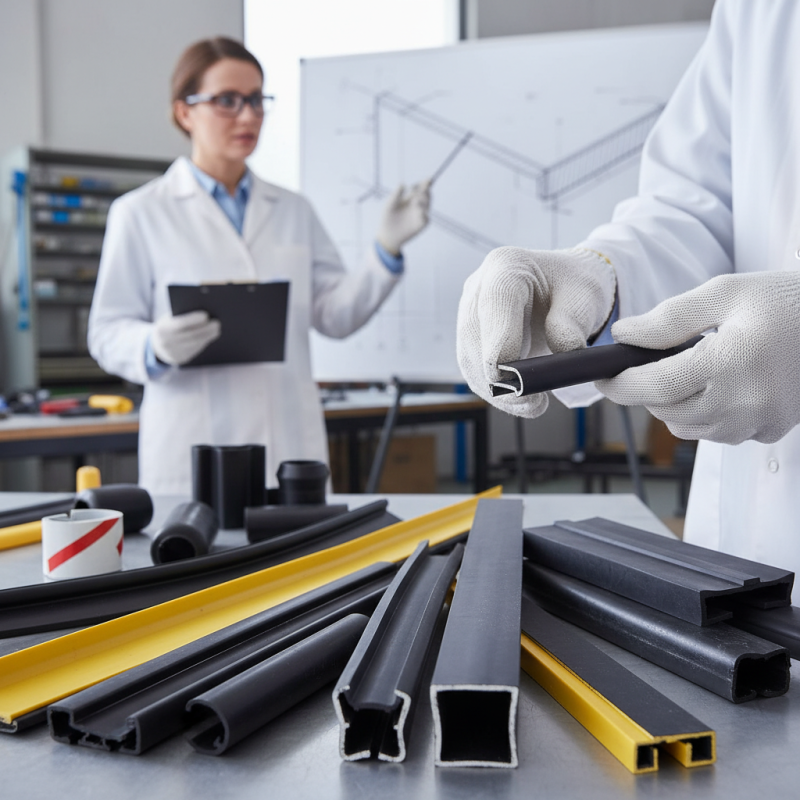
When selecting a rubber edge protector, understanding the types available is crucial. Various options cater to different needs. Common types include U-shaped, L-shaped, and flat edge protectors. Each is designed for specific applications, making it essential to choose wisely. U-shaped protectors work well for furniture edges, while L-shaped options suit corners effectively.
Tips: Consider the environment. Will the protector be exposed to extreme temperatures? Certain rubbers perform better in heat or cold. Assess where you'll install it. Indoor and outdoor requirements vary significantly.
Another important type is the self-adhesive protector. It offers convenience during installation. These protectors adhere securely and are an excellent choice for quick fixes. It's worth noting that while they are easy to use, removing them might damage surfaces.
Tips: Test a small area before broad application. This ensures that the adhesive will not harm your surface. Think about thickness as well. Thicker protectors provide more cushioning but may not fit tight spaces. Remember, not all protectors are suitable for heavy-duty use. Choose one that truly meets your specific requirements.
Understanding the Benefits of Using Rubber Edge Protectors
Rubber edge protectors provide essential benefits in various applications. They enhance safety by minimizing sharp edges, which can cause injuries in both commercial and residential settings. According to industry research, nearly 30% of workplace injuries are caused by contact with sharp edges. By applying rubber protectors, businesses can significantly reduce these risks.
Moreover, rubber edge protectors improve durability. They provide additional cushioning, which extends the lifespan of surfaces. Studies indicate that materials with added rubber protection can last up to 40% longer than those without it. This longevity helps reduce replacement costs over time, making it a financially responsible choice.
Beyond safety and durability, rubber edge protectors also offer aesthetic advantages. They can be tailored to fit various designs seamlessly. However, choosing the right type can be challenging. It’s crucial to assess the specific requirements of your environment. Oversizing or undersizing can lead to ineffective protection, which may negate their benefits. Therefore, careful consideration is essential for optimal performance.
Installation and Maintenance Tips for Rubber Edge Protectors
Installing rubber edge protectors can seem straightforward, but attention to detail is crucial. Start by cleaning the surface where the protector will be applied. Dust and debris can hinder adhesion, leaving you with a less effective barrier. Use a mild detergent and ensure the area is completely dry before installation. Measure carefully. Cutting the protector too short can lead to exposed edges that defeat the purpose.
When applying the protector, press it firmly into place. You may need to use a mallet for a snug fit. Check for any bubbles or gaps, as these can compromise protection. Once installed, regular maintenance is essential. Inspect the edges periodically for wear or damage. Over time, rubber can degrade, especially if exposed to moisture or UV light. If you notice any signs of wear, consider replacing the protector before it fails.
Cleaning is important too. Wipe down the protectors with a damp cloth and avoid harsh chemicals. These can erode the rubber. If you spot any mold or mildew, use a diluted vinegar solution for a gentle clean. Remember, a well-maintained edge protector enhances safety and prolongs its lifespan. Never overlook the small details, as they can lead to bigger issues down the road.