What is Silicone Rubber Buttons and How to Source Them?
Silicone Rubber Buttons are an essential component in modern electronics. They offer flexibility and durability, making them ideal for various applications. According to industry expert Dr. Emily Chen, "The versatility of Silicone Rubber Buttons is unmatched in consumer electronics today."
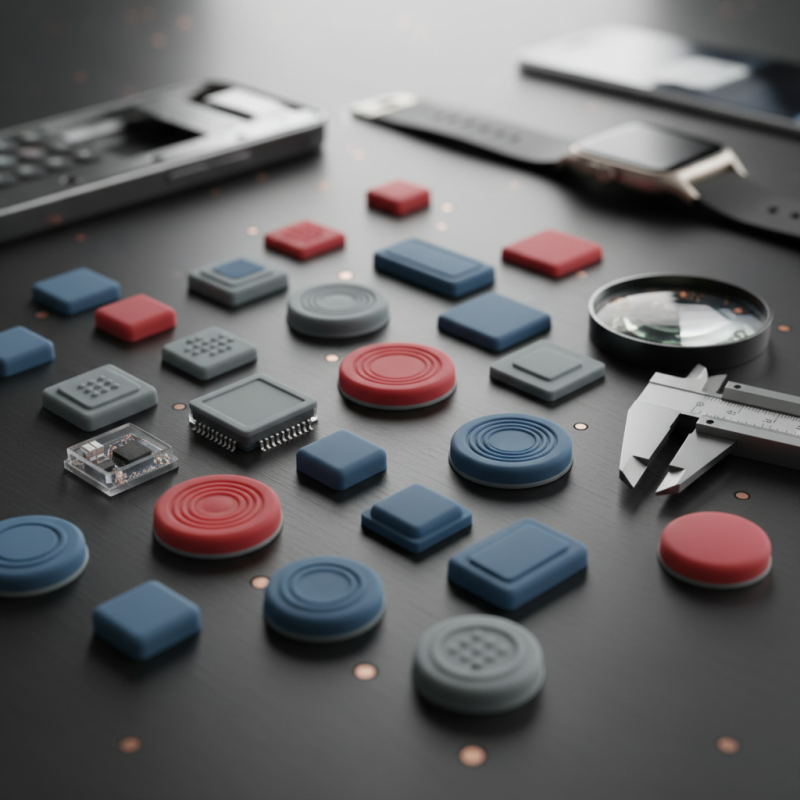
These buttons are commonly used in remote controls, smartphones, and wearable devices. Their tactile feedback enhances user experience. Manufacturers often seek reliable sources for quality silicone materials. However, sourcing can be challenging. Not every supplier guarantees the same high standards.
Quality control is vital in this industry. Variations in silicone materials can lead to different performance outcomes. Experts advise that potential buyers conduct thorough research before purchasing. Understanding the market is key to finding trustworthy suppliers of Silicone Rubber Buttons. The balance of cost and quality requires careful consideration.
What Are Silicone Rubber Buttons?
Silicone rubber buttons are versatile components used in various electronic devices. They are primarily made from silicone, a durable and flexible material. This flexibility allows for diverse designs, making them ideal for products that require tactile feedback. According to industry reports, the global silicone rubber market is expected to reach USD 27.2 billion by 2026, highlighting the growing demand for such materials.
These buttons are found in numerous applications, including smartphones, home appliances, and medical devices. Their resistance to temperature variations and environmental factors enhances durability. Moreover, silicone rubber buttons often utilize a design that minimizes the risk of failure over time. Yet, sourcing high-quality silicone rubber buttons can sometimes be challenging due to quality inconsistencies among suppliers.
When selecting a supplier, it's crucial to assess their manufacturing standards and material certifications. Reliable suppliers will provide detailed information about their production processes. This transparency ensures that the buttons meet industry requirements. However, buyers should remain vigilant about potential discrepancies in claims and actual product performance.
Properties and Benefits of Silicone Rubber Buttons
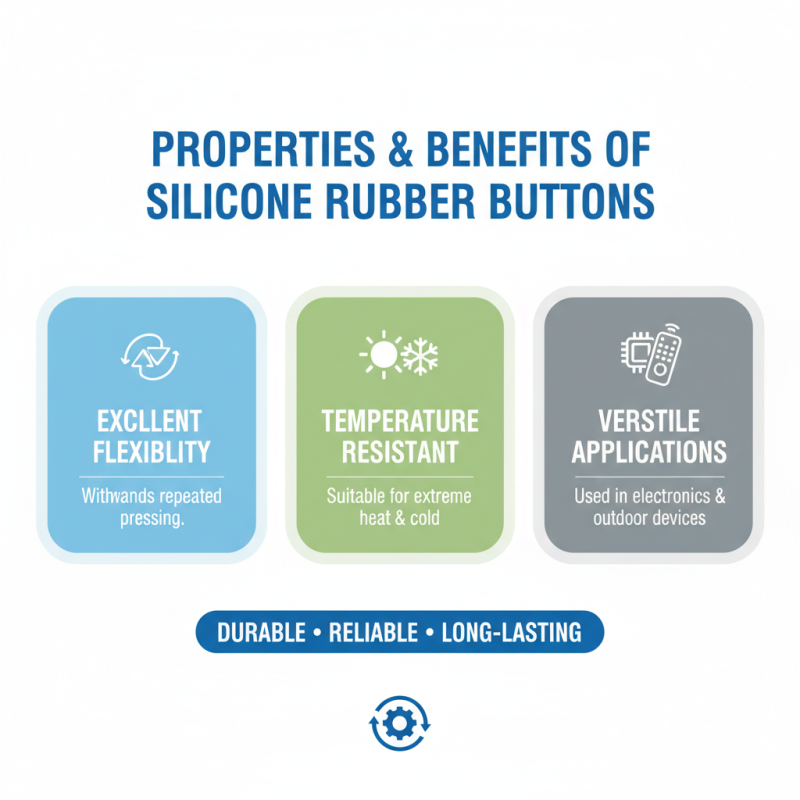
Silicone rubber buttons are widely used in various electronic devices. They offer unique properties that make them ideal for different applications. One key benefit of silicone rubber is its excellent flexibility. This allows buttons to withstand repeated pressing without losing their shape or functionality. The material is also resistant to extreme temperatures, making it suitable for outdoor use.
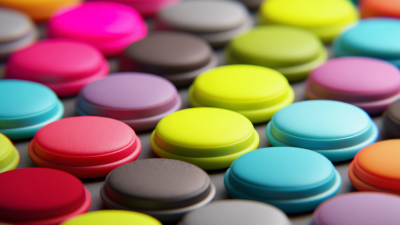
Another significant advantage is the tactile feedback silicone buttons provide. Users often prefer the soft yet responsive feel these buttons deliver. They enhance the experience of interacting with devices, whether in remotes or medical equipment. Additionally, silicone rubber is easy to mold into intricate designs, allowing for customized shapes and colors.
However, sourcing high-quality silicone rubber buttons can pose challenges. Manufacturers may vary in production methods and material quality. It's crucial to evaluate suppliers based on their expertise and previous projects. A reliable manufacturer should demonstrate a commitment to quality control. Addressing these aspects ensures consistent performance and durability in the final product.
Common Applications of Silicone Rubber Buttons
Silicone rubber buttons have gained popularity due to their versatility and durability. They are widely used in various applications, including consumer electronics, automotive controls, and medical devices. Reports suggest that the global silicone rubber market could reach USD 12 billion by 2027, driven by the growing demand for high-performance materials.
In consumer electronics, silicone rubber buttons provide an excellent tactile feel and resistance to environmental conditions. They are common in smartphones, remote controls, and wearables. One study indicated that more than 60% of such devices use silicone rubber for buttons, highlighting its significance in this sector. Similarly, in the automotive industry, these buttons are utilized for dashboard controls and infotainment systems. Their robustness ensures longevity, countering issues like wear and tear commonly faced by hard plastic alternatives.
Medical devices also benefit from silicone rubber buttons. They can withstand sterilization processes and have a low risk of allergens, crucial for sensitive applications. Healthcare's reliance on silicone technology reflects the industry's push for safety and reliability. However, there are concerns about production consistency and cost management. Addressing these issues remains vital for manufacturers aiming to maintain quality while meeting market demands.
Sourcing Silicone Rubber Buttons: Key Factors to Consider
Sourcing silicone rubber buttons requires careful consideration of several key factors. The global silicone rubber market was valued at approximately $9 billion in 2022 and is expected to grow significantly. Understanding this market trend is crucial for making informed decisions.
One important aspect is material quality. High-grade silicone rubber ensures durability and resistance to environmental factors. Look for suppliers who provide certification of their materials. A recent industry report indicated that nearly 30% of manufacturers experienced product failures due to subpar materials. This highlights the risk of sourcing from unreliable suppliers.
Another factor is production capabilities. Suppliers should have the necessary machinery and expertise to meet your design requirements. Investigate their production processes and lead times. Poor communication or delays can lead to frustration. Data shows that a significant percentage of projects falter due to mismatched expectations with suppliers.
Pricing is also vital. While competitive prices are attractive, they may not reflect product quality. A balance between cost and quality is essential. Many industry experts suggest conducting thorough research on supplier reputations before committing. This preventive measure can save businesses from costly mistakes later on.
Tips for Choosing a Reliable Supplier for Silicone Rubber Buttons
When sourcing silicone rubber buttons, choosing the right supplier is crucial. A reliable supplier should have extensive experience in manufacturing and sourcing silicone products. Look for companies that specialize in silicone rubber items. Their knowledge in material properties and production techniques is invaluable. Ask for samples to evaluate their quality and durability.
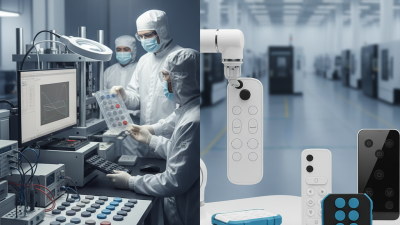
Communication is key. A dependable supplier will respond promptly to inquiries. They should provide detailed information about their production process. Certifications can also indicate a supplier’s commitment to quality. Check for industry standards that they meet. Visit their facility if possible. This firsthand experience can reveal a lot about their operations and quality control measures.
Consider their customer service. A good supplier should be willing to address concerns. Be wary of those who seem disinterested or evasive. Transparency is a vital trait. Reflect on your needs and expectations. It’s essential to establish a good working relationship with your supplier. After all, a trustworthy supplier can significantly impact your product's success.