China’s rubber component sector serves electrical, automotive, appliance, and industrial markets. This guide introduces ten Chinese manufacturers of rubber glands, with attention to product range, manufacturing capability, material options, and quality controls. A Rubber Gland may look like a small fitting, yet it protects cable entries from dust, moisture, vibration, and abrasion. Details matter: compound hardness, sealing geometry, cable diameter, and installation torque can all affect performance.
Polymer scientist Dr. James E. Mark’s work offers a useful expert perspective. In paraphrase, his research reminds buyers to match polymer choice to operating conditions, not just to a product description. Heat, oils, compression, and outdoor exposure can change how rubber performs over time. Ask suppliers for material specifications and test records. Check whether samples fit your cable and enclosure. Small checks. Fewer surprises.
The manufacturers in this overview should be assessed against the same practical questions: Can they customize dimensions? Do they document materials and inspection steps? Can they provide consistent lead times and responsive technical support? A company profile alone cannot prove production quality, and capabilities may vary by product or facility. Treat the list as a starting point, then verify current specifications directly with each supplier. A ranking cannot replace a sample, a drawing review, or a clear conversation with the factory.
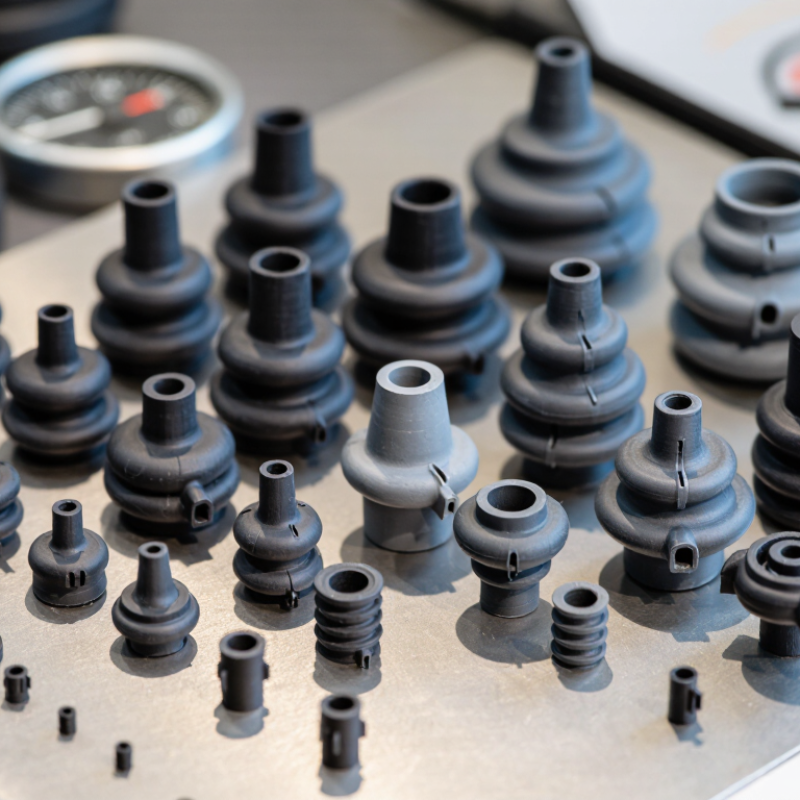
Rubber cable glands perform three practical jobs: sealing the panel opening, gripping the cable jacket, and limiting movement at the entry point. A correctly sized gland compresses its elastomer without crushing the cable. That balance matters. Too little compression may leave a path for dust or water; too much can deform the jacket or strain conductors. Choose by cable diameter, panel thickness, material compatibility, temperature range, and exposure—not thread size alone.
IP codes offer a test-based shorthand, not a universal promise. IEC 60529 defines the first digit for solid-object ingress and the second for water ingress; IP6X indicates dust-tight protection. Its IPX7 classification covers temporary immersion, commonly tested at 1 metre for 30 minutes. This does not establish resistance to every spray, pressure wash, chemical, or installation fault. IEC 62444 also specifies requirements and tests for cable glands, including mechanical retention. Check that the cable fits the stated clamping range and that installation follows the specified tightening method. Field conditions are messy. A nicked seal, uneven panel edge, or repeated cable pull can undermine a laboratory rating, so inspect the complete assembly after installation.
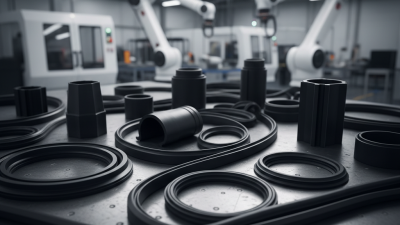
Typical 40–90 Shore A Hardness and ISO 37 Tensile Testing
Rubber glands commonly use compounds between 40 and 90 Shore A, but this range is a sourcing reference, not a universal specification. Softer compounds can conform around uneven cable jackets; harder ones may resist handling damage. The right choice depends on gland geometry, compression, temperature, and the cable surface. A Shore A reading alone cannot predict sealing performance. That detail matters.
Ask suppliers for hardness results alongside tensile strength and elongation at break. ISO 48-4:2018 describes durometer hardness measurement, while ISO 37:2017 specifies tensile testing of vulcanized or thermoplastic rubber. In an ISO 37 test, a prepared specimen is stretched to measure how it responds under tension. Compare results only when specimen type, conditioning, and test settings are consistent. Small differences can matter. A high tensile value does not automatically mean a gland will seal better under compression. One weakness in many catalog comparisons is missing test context. Request the actual test report, batch identification, and a sample for fit checks; laboratory values still need confirmation in the intended assembly.
Chinese rubber-gland manufacturers commonly supply molded cable-entry seals, grommets, O-rings, and custom rubber components. Their product ranges vary by material, tooling capacity, and tolerance control. Some focus on high-volume automotive parts; others serve electrical cabinets, appliances, pumps, and industrial machinery. Buyers should compare drawings, operating temperatures, chemical exposure, and production consistency—not just unit price.
Market demand is linked to several sectors, though public reports rarely isolate rubber-gland sales. China produced 31.28 million vehicles in 2024, according to the China Association of Automobile Manufacturers, supporting a large automotive component supply chain. This figure is not a measure of gland demand. Grand View Research estimated the global rubber market at USD 46.7 billion in 2022 and projected a 5.3% compound annual growth rate from 2023 to 2030. That broader market context should be treated cautiously; it includes many products beyond glands. Catalogues can look impressive, but actual capability may differ.
Tips: Request samples made from the proposed compound, then check fit, compression, and sealing after installation. Ask for test methods and batch records. Fit matters more. A small mismatch can cause rework. Manufacturers focused on export markets may offer drawing support and customized tooling, but confirm lead times and inspection scope before ordering.
Standards Check: IEC 62444 Cable Glands and IEC 60529 IP Ratings
When comparing rubber gland manufacturers in China, review standards evidence alongside product dimensions. IEC 62444 specifies requirements and test methods for cable glands, including mechanical performance. Ask for documentation linked to the exact gland model, material, and cable range. Generic test sheets may not reflect the part you plan to install. Check carefully.
IEC 60529 classifies enclosure protection using IP codes. The rating applies to a tested assembly, not automatically to a loose rubber gland. Cable diameter, seal compression, mounting hole, locknut torque, and enclosure surface can all affect the result. A gland fitted around a cable that is too small may leave a visible gap. Even a well-made part can fail in a poor installation.
Ask suppliers for the relevant test conditions and installation instructions, then compare them with your project requirements. Confirm whether the stated rating covers dust, water, or both; IP digits describe different protections. Also check temperature limits and material compatibility, especially where cables flex or face oils. One detail is easy to miss: a clean datasheet does not show how consistently each production batch performs. Request traceable quality records, and verify that samples match the documented specification.
Choosing a rubber gland supplier in China calls for evidence beyond a low quotation. Ask which elastomer suits the fluid, temperature, and outdoor exposure in your assembly. EPDM, NBR, and silicone behave differently; a familiar material name is not a complete specification. Request hardness, tensile strength, compression set, and operating-temperature data for the exact compound. Ask for batch traceability. Test reports should identify the method, test date, sample, and production lot, not just show impressive numbers. Compare reports with a retained sample or an independent check when the application is critical. Even a tidy report can leave gaps.
Capacity needs the same scrutiny. Ask about monthly output for the gland size and compound you need, current order loading, mold availability, and inspection staffing. A factory’s total capacity may say little about your order. Request a sample plan, approved drawing, and clear acceptance criteria before mass production. Keep a sample. Confirm lead time separately for tooling, sampling, production, and packing; ask what could extend each stage. Include holidays, raw-material replenishment, and corrective work in your schedule. A short promised lead time sounds attractive, but without dates and checkpoints it is hard to manage. I would still leave a buffer; planning perfectly is not realistic.
These approximate ranges provide an initial material-screening reference, not a guarantee of performance. Actual limits vary by compound, media, pressure, and operating conditions. Verify the supplier’s material datasheet and test reports before selecting a rubber gland.